Landing Instance
API endpoint that allows Landings to be viewed.
GET: Return a list of all the existing landings.
MODE: Normal, Detailed, and List /2.2.0/landings/?mode=detailed
FILTERS: Fields - 'attempt', 'success', 'landing_location__ids', 'landing_type__ids', 'spacecraft__ids', 'launcher__ids', 'spacecraft_launch__ids', 'firststage_launch__ids', 'spacecraft_config__ids', 'launcher_config__ids', 'launcher_serial_numbers'
Get all Landings with the launcher serial number of B1049. Example - /2.2.0/landings/?launcher_serial_numbers=B1049
ORDERING: Fields - 'id', 'downrange_distance' Example - /2.2.0/landings/?ordering=-downrange_distance
GET /2.2.0/landings/151/?format=api
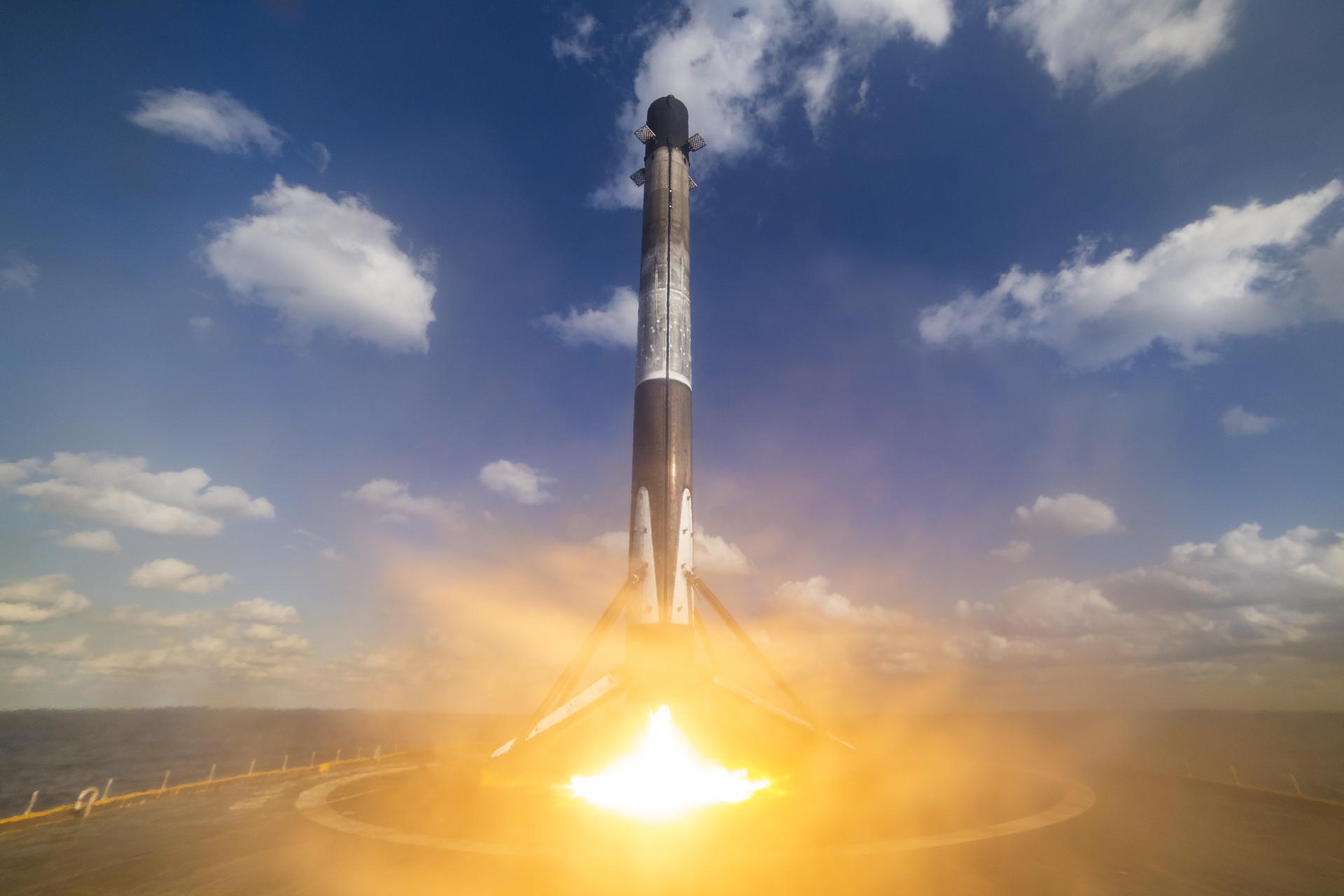
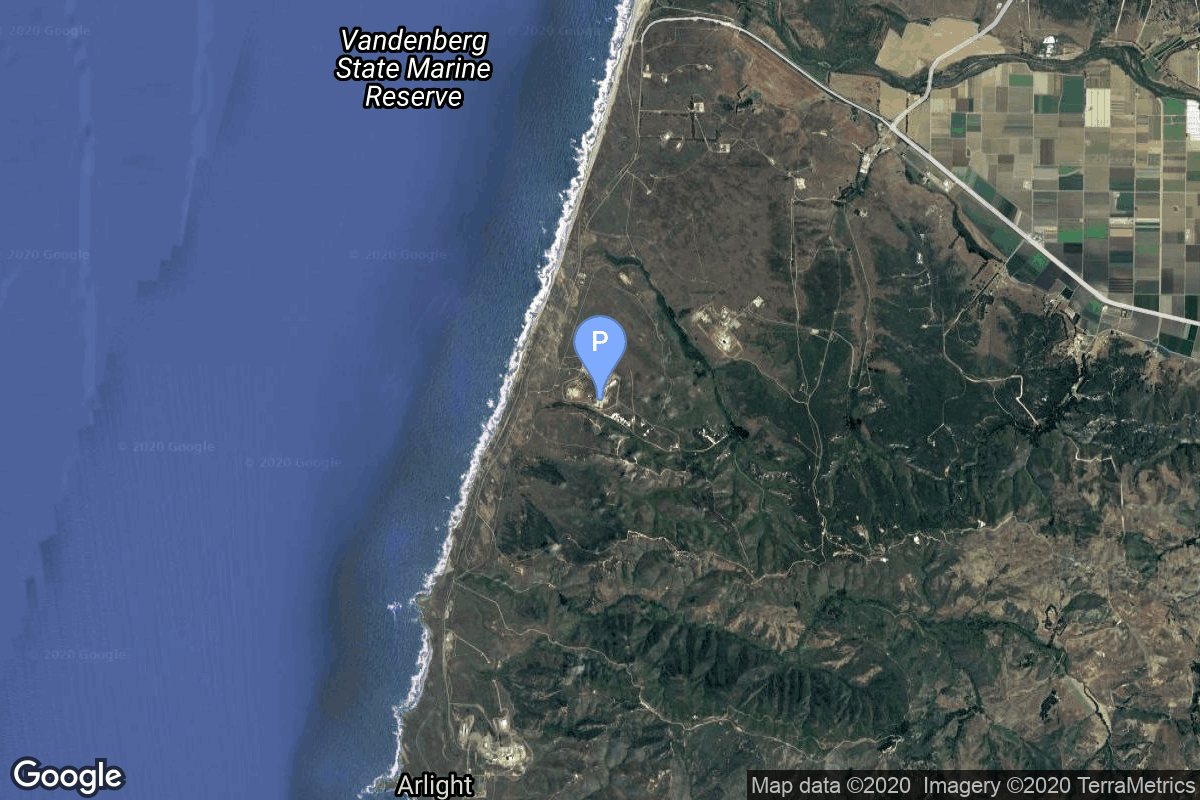
{ "id": 151, "url": "https://ll.thespacedevs.com/2.2.0/landings/151/?format=api", "attempt": true, "success": true, "description": "B1051 will attempt to land on an ASDS OCISLY after the Starlink 3 launch.", "downrange_distance": 629.0, "landing_type": { "id": 1, "name": "Autonomous Spaceport Drone Ship", "abbrev": "ASDS", "description": "An autonomous spaceport drone ship (ASDS) is an ocean-going vessel derived from a deck barge, outfitted with station-keeping engines and a large landing platform. Construction of such ships was commissioned by aerospace company SpaceX to allow for recovery of rocket first-stages at sea for high-velocity missions which do not carry enough fuel to return to the launch site after lofting spacecraft onto an orbital trajectory." }, "landing_location": { "id": 1, "name": "Of Course I Still Love You", "abbrev": "OCISLY", "description": "The second ASDS barge, Of Course I Still Love You (OCISLY) services launches in the Pacific Ocean and was the site of the first landing of a SpaceX Falcon 9 first stage during CRS-8, the launch of a Dragon spacecraft to the International Space Station.", "location": null, "successful_landings": 203 }, "firststage": { "id": 119, "type": "Core", "reused": true, "launcher_flight_number": 3, "launcher": { "id": 2, "url": "https://ll.thespacedevs.com/2.2.0/launcher/2/?format=api", "details": "Stage Expended", "flight_proven": true, "serial_number": "B1051", "status": "expended", "image_url": "https://thespacedevs-prod.nyc3.digitaloceanspaces.com/media/images/2_image_20200211104751.jpeg", "successful_landings": 13, "attempted_landings": 13, "flights": 14, "last_launch_date": "2022-11-12T16:06:00Z", "first_launch_date": "2019-03-02T07:49:00Z" }, "previous_flight_date": "2019-06-12T14:17:00Z", "turn_around_time_days": 230, "previous_flight": { "id": "b347b02e-18b4-4e55-ac9e-6bebecbc6858", "url": "https://ll.thespacedevs.com/2.2.0/launch/b347b02e-18b4-4e55-ac9e-6bebecbc6858/?format=api", "slug": "falcon-9-block-5-radarsat-constellation", "name": "Falcon 9 Block 5 | RADARSAT Constellation", "status": { "id": 3, "name": "Launch Successful", "abbrev": "Success", "description": "The launch vehicle successfully inserted its payload(s) into the target orbit(s)." }, "last_updated": "2023-06-14T09:45:05Z", "net": "2019-06-12T14:17:00Z", "window_end": "2019-06-12T14:17:00Z", "window_start": "2019-06-12T14:17:00Z", "net_precision": null, "probability": null, "weather_concerns": null, "holdreason": "", "failreason": null, "hashtag": null, "launch_service_provider": { "id": 121, "url": "https://ll.thespacedevs.com/2.2.0/agencies/121/?format=api", "name": "SpaceX", "type": "Commercial" }, "rocket": { "id": 20, "configuration": { "id": 164, "url": "https://ll.thespacedevs.com/2.2.0/config/launcher/164/?format=api", "name": "Falcon 9", "family": "Falcon", "full_name": "Falcon 9 Block 5", "variant": "Block 5" } }, "mission": { "id": 988, "name": "RADARSAT Constellation", "description": "The Radarsat Constellation Mission is a follow-on project to RADARSAT-2 currently developed by MDA. The constellation will consist of a fleet of three spacecraft, and be both complementary and a follow-on to the upcoming deployment of the RADARSAT-2 mission. The primary purpose of the RCM is to provide C-Band data continuity for RADARSAT-2 users, as well as adding a new series of applications enabled through the constellation approach.\n\nThe main uses of RCM are expected to be in the areas of: maritime surveillance (ship detection, ice monitoring, and oil spill detection), disaster management, ecosystem monitoring.\n\nThe primary areas of interest are the landmass of Canada and its surrounding Arctic, Pacific and Atlantic maritime areas. The images and derived information are required to be provided to Canadian government users at frequent area coverage rates. Contrary to the earlier RadarSat missions, the imagery will not be available commercially.\n\nThe spacecraft Payload will consist of a Synthetic Aperture Radar (SAR) sensor integrated with an Automated Identification System (AIS). The SAR Payload concept is a 2-panel deployable SAR antenna of length approximately 7 meters.", "launch_designator": null, "type": "Earth Science", "orbit": { "id": 17, "name": "Sun-Synchronous Orbit", "abbrev": "SSO" }, "agencies": [], "info_urls": [], "vid_urls": [] }, "pad": { "id": 16, "url": "https://ll.thespacedevs.com/2.2.0/pad/16/?format=api", "agency_id": null, "name": "Space Launch Complex 4E", "description": "Space Launch Complex 4 East (SLC-4E) is a launch site at Vandenberg Space Force Base, California, U.S.\r\n\r\nThe pad was previously used by Atlas and Titan rockets between 1963 and 2005. The pad was built for use by Atlas-Agena rockets, but was later rebuilt to handle Titan rockets.", "info_url": null, "wiki_url": "https://en.wikipedia.org/wiki/Vandenberg_Space_Launch_Complex_4#SLC-4E", "map_url": "https://www.google.com/maps?q=34.632,-120.611", "latitude": "34.632", "longitude": "-120.611", "location": { "id": 11, "url": "https://ll.thespacedevs.com/2.2.0/location/11/?format=api", "name": "Vandenberg SFB, CA, USA", "country_code": "USA", "description": "Vandenberg Space Force Base is a United States Space Force Base in Santa Barbara County, California. Established in 1941, Vandenberg Space Force Base is a space launch base, launching spacecraft from the Western Range, and also performs missile testing. The United States Space Force's Space Launch Delta 30 serves as the host delta for the base, equivalent to an Air Force air base wing. In addition to its military space launch mission, Vandenberg Space Force Base also hosts space launches for civil and commercial space entities, such as NASA and SpaceX.", "map_image": "https://thespacedevs-prod.nyc3.digitaloceanspaces.com/media/map_images/location_11_20200803142416.jpg", "timezone_name": "America/Los_Angeles", "total_launch_count": 889, "total_landing_count": 34 }, "country_code": "USA", "map_image": "https://thespacedevs-prod.nyc3.digitaloceanspaces.com/media/map_images/pad_16_20200803143532.jpg", "total_launch_count": 273, "orbital_launch_attempt_count": 273 }, "webcast_live": false, "image": "https://thespacedevs-prod.nyc3.digitaloceanspaces.com/media/images/falcon_9_image_20230807133459.jpeg", "infographic": null, "program": [], "orbital_launch_attempt_count": 5857, "location_launch_attempt_count": 686, "pad_launch_attempt_count": 83, "agency_launch_attempt_count": 80, "orbital_launch_attempt_count_year": 37, "location_launch_attempt_count_year": 3, "pad_launch_attempt_count_year": 2, "agency_launch_attempt_count_year": 7, "type": "normal" } }, "spacecraftflight": null }