Astronaut List
API endpoint that allows Astronaut to be viewed.
GET: Return a list of all the existing astronauts.
MODE: Normal, List, LaunchList and Detailed /2.0.0/astronaut/?mode=detailed
FILTERS: Parameters - 'name', 'status', 'nationality', 'agency__name', 'agency__abbrev', 'date_of_birth', 'date_of_death', 'status_ids' Example - /2.0.0/astronaut/?nationality=American
SEARCH EXAMPLE: /2.0.0/astronaut/?search=armstrong Searches through name, nationality and agency name
ORDERING: Fields - 'name', 'status', 'date_of_birth' Example - /2.0.0/astronaut/?order=name
GET /2.0.0/astronaut/?format=api&offset=10
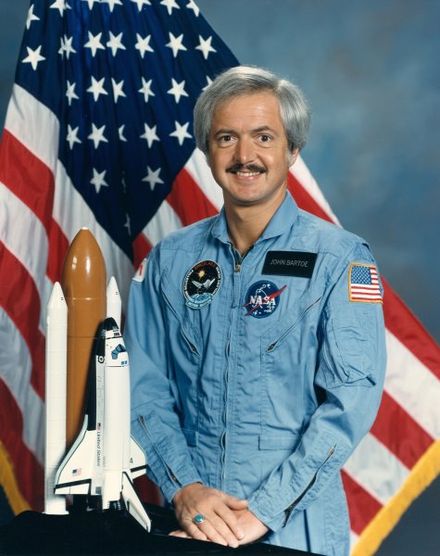
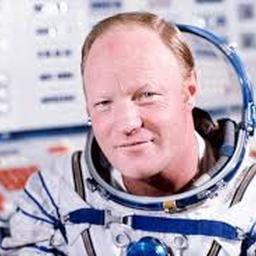
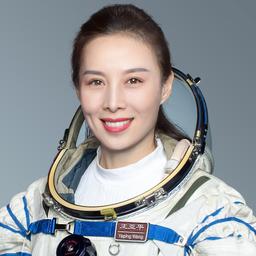
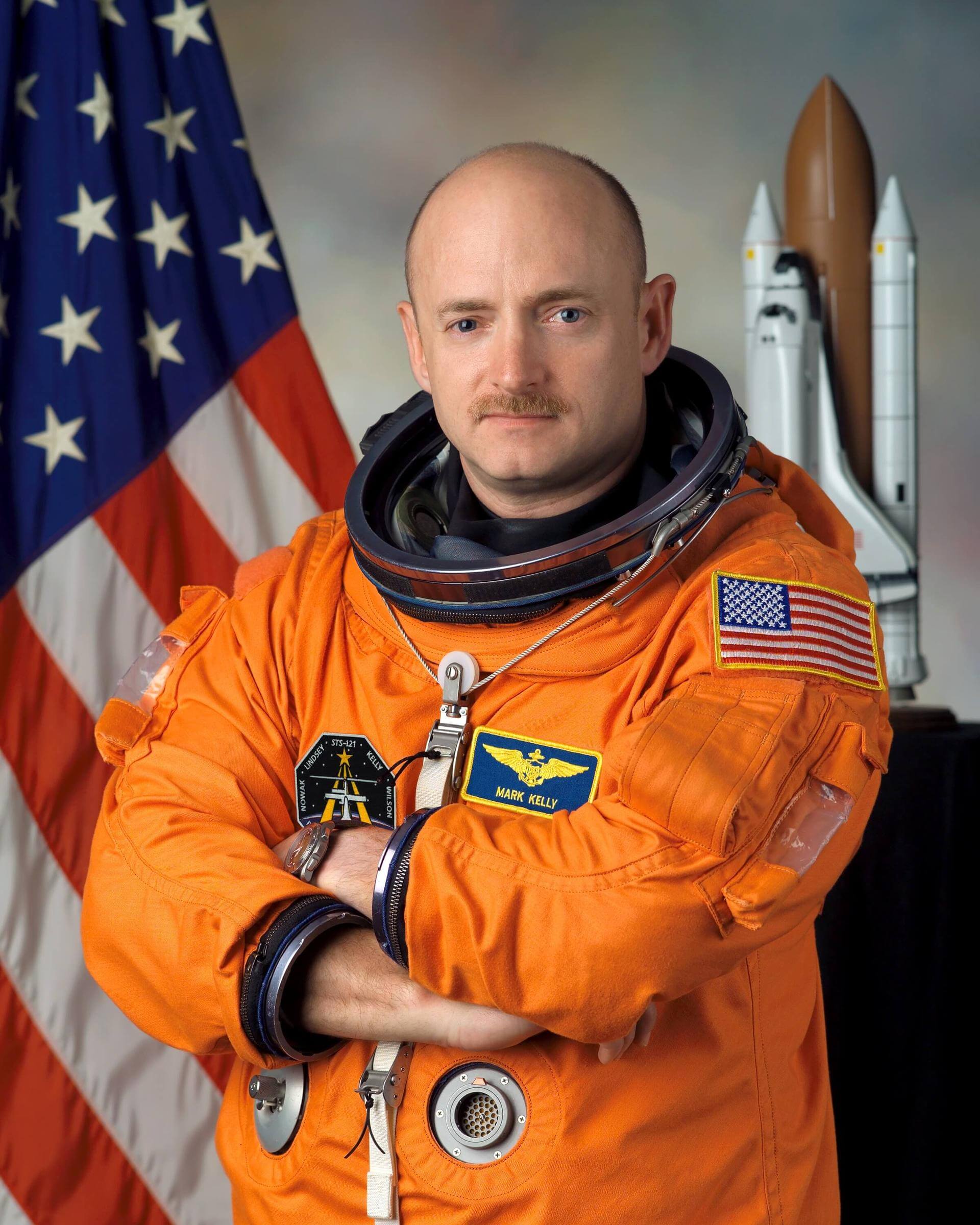
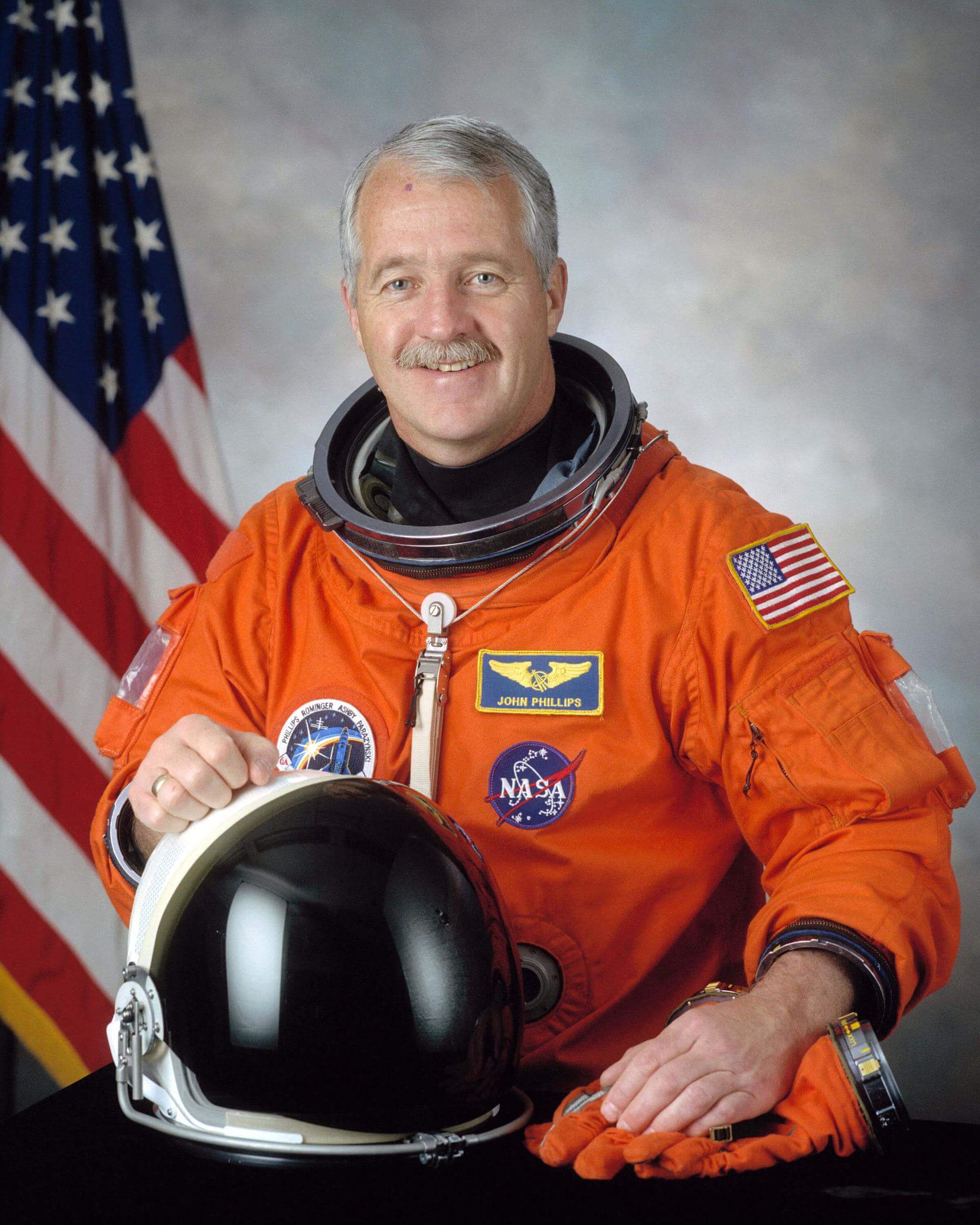
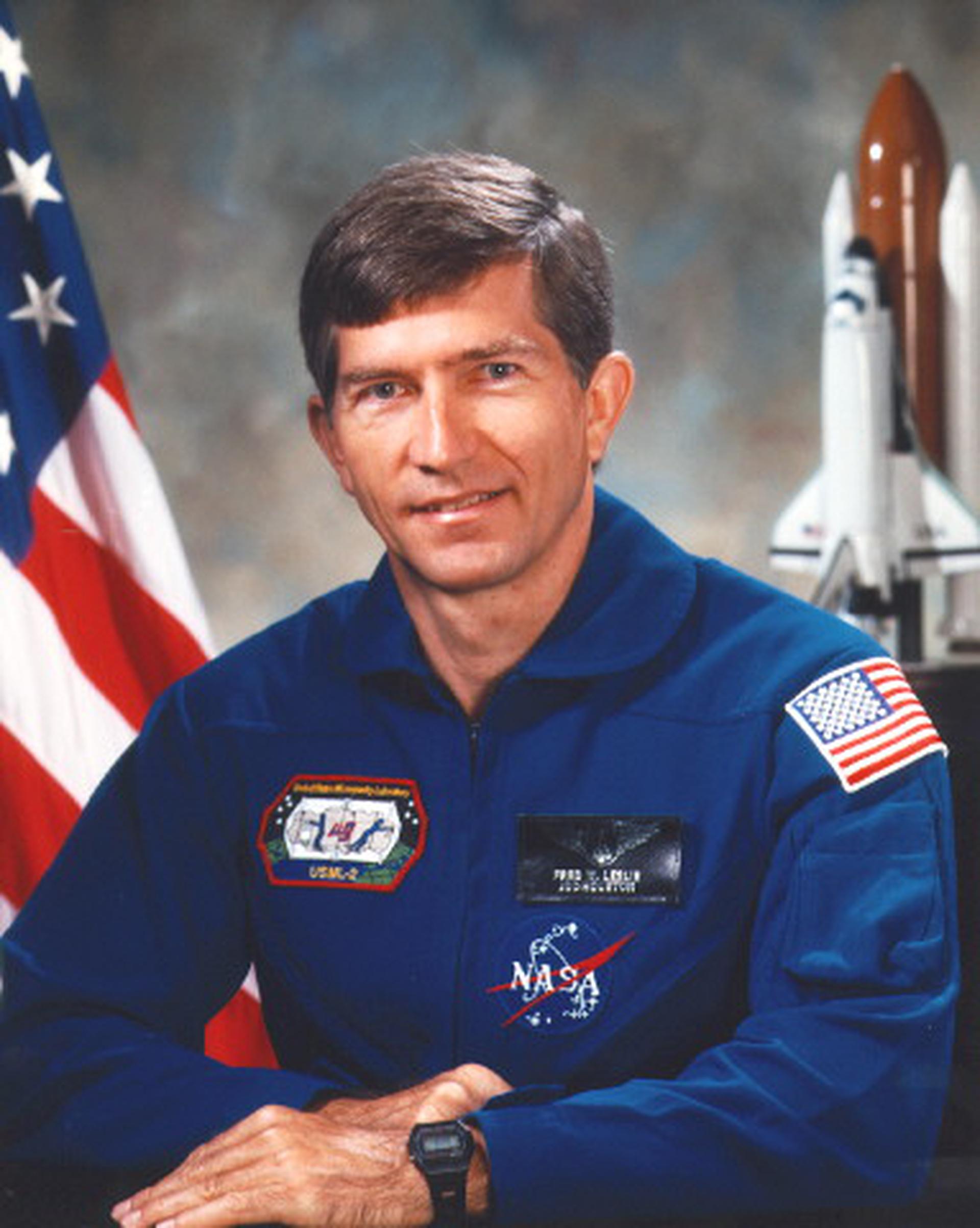
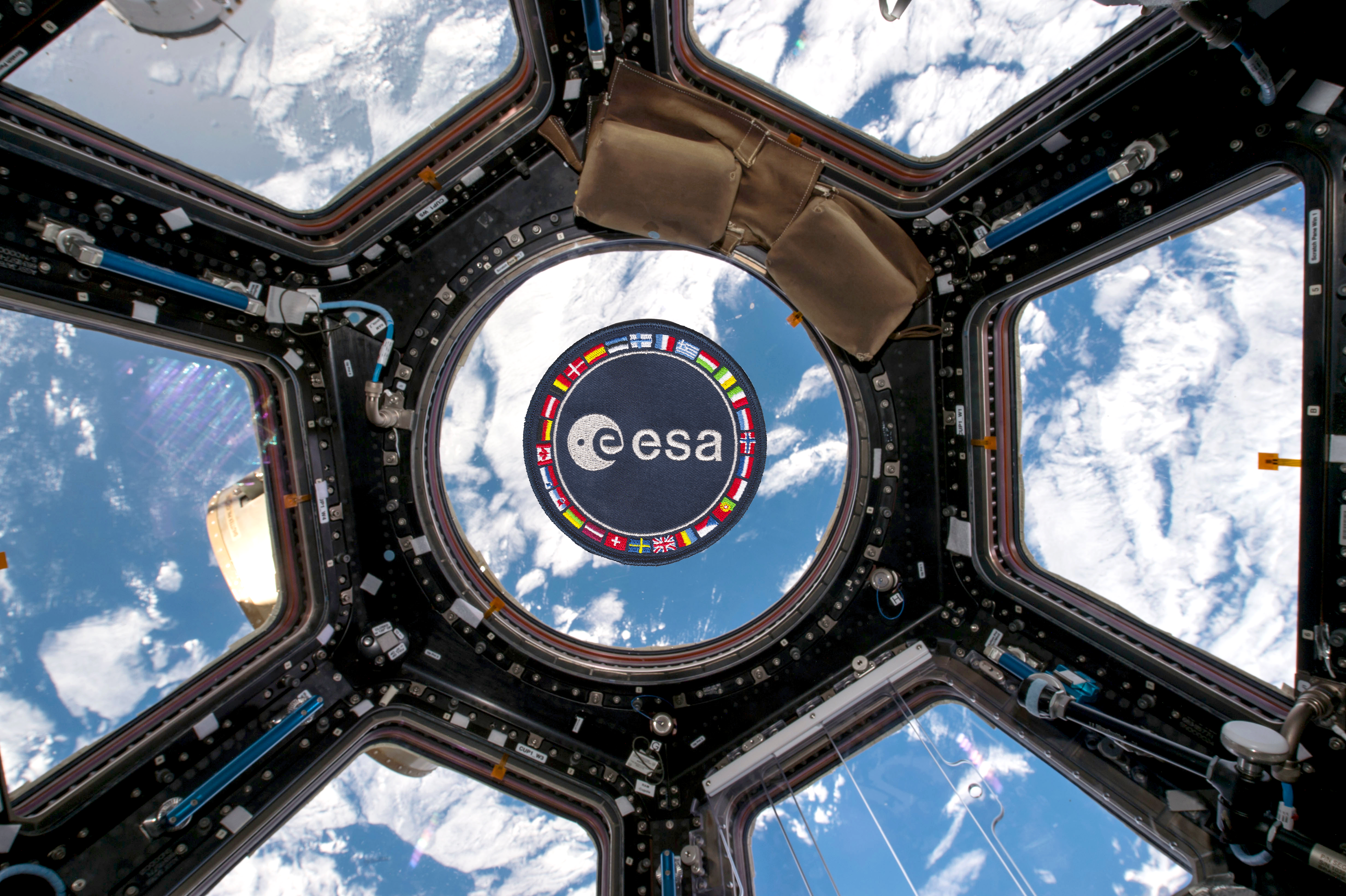
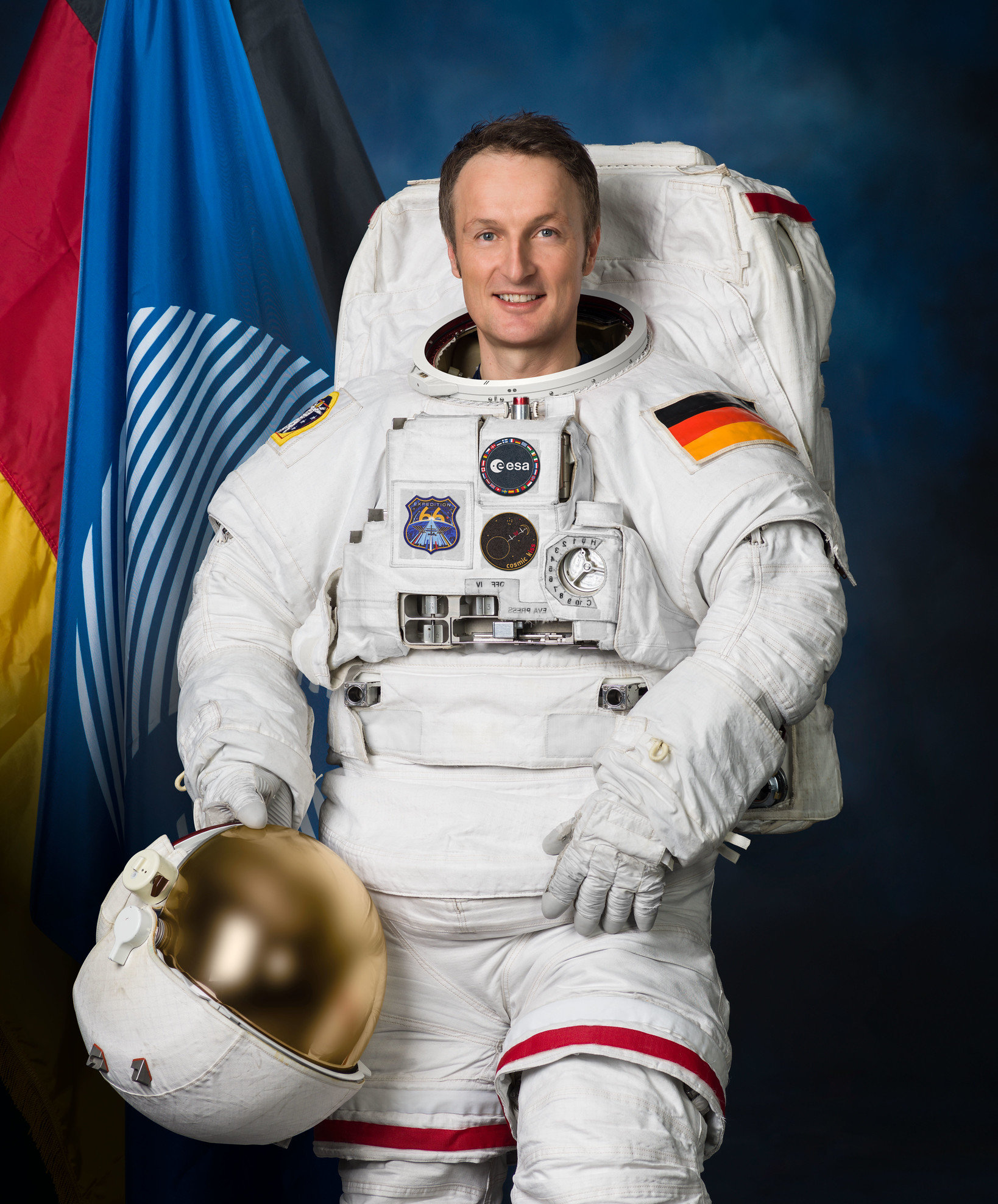
{ "count": 853, "next": "https://ll.thespacedevs.com/2.0.0/astronaut/?format=api&limit=10&offset=20", "previous": "https://ll.thespacedevs.com/2.0.0/astronaut/?format=api&limit=10", "results": [ { "id": 594, "url": "https://ll.thespacedevs.com/2.0.0/astronaut/594/?format=api", "name": "John-David F. Bartoe", "status": { "id": 2, "name": "Retired" }, "type": { "id": 2, "name": "Government" }, "date_of_birth": "1944-11-17", "date_of_death": null, "nationality": "American", "bio": "John-David Francis Bartoe (born November 17, 1944 in Abington, Pennsylvania) is an American astrophysicist. He is the Research Manager for the International Space Station (ISS) at NASA's Johnson Space Center. He provides oversight for the Program Manager concerning the research capability, research hardware, and research plans of the ISS. As a civilian employee of the US Navy, he flew aboard Space Shuttle mission STS-51-F as a Payload Specialist.", "twitter": null, "instagram": null, "wiki": "https://en.wikipedia.org/wiki/John-David_F._Bartoe", "agency": { "id": 166, "url": "https://ll.thespacedevs.com/2.0.0/agencies/166/?format=api", "name": "US Navy", "featured": false, "type": "Government", "country_code": "USA", "abbrev": "USN", "description": "The Navy was competed with the Army to put the first American satellite into orbit. Their first two Vanguard missions failed, with the second being a highly publicized failure, as it exploded on the launchpad. They went on to put 3 satellites into orbit but did not beat the Army to be the first. Their work in space continues today largely on military satellites.", "administrator": null, "founding_year": "1963", "launchers": "", "spacecraft": "Vanguard 1-3 | Parker Solar Probe", "parent": null, "image_url": null }, "profile_image": "https://thespacedevs-prod.nyc3.digitaloceanspaces.com/media/images/john-david2520f.2520bartoe_image_20181207225726.jpg", "profile_image_thumbnail": "https://thespacedevs-prod.nyc3.digitaloceanspaces.com/media/images/255bauto255d__image_thumbnail_20240305185337.jpeg", "last_flight": "1985-07-29T21:00:00Z", "first_flight": "1985-07-29T21:00:00Z" }, { "id": 67, "url": "https://ll.thespacedevs.com/2.0.0/astronaut/67/?format=api", "name": "Yuri Baturin", "status": { "id": 2, "name": "Retired" }, "type": { "id": 2, "name": "Government" }, "date_of_birth": "1949-06-12", "date_of_death": null, "nationality": "Russian", "bio": "Yuri Mikhailovich Baturin (Russian: Юрий Михайлович Батурин (born 12 June 1949, Moscow, Soviet Union {now Russia})), is a Russian cosmonaut and former politician.\r\n\r\nBaturin graduated from the Moscow Institute of Physics and Technology in 1973, and is the former Assistant to the President on National Security and Secretaty of the Defense Council (1996-1998); he is also an author in constitutional law. Baturin was also a cosmonaut who flew on two missions.\r\n\r\nHis first spaceflight, sometimes called Mir EP-4, was launched with the spacecraft Soyuz TM-28 13 August 1998, and landed with Soyuz TM-27. He was a Research Cosmonaut for this mission, which lasted for 11 days 19 hours 39 minutes. His second spaceflight was ISS EP-1, which was launched with the spacecraft Soyuz TM-32 on April 28, 2001, and landed with Soyuz TM-31. This mission was notable as carrying to first paying space tourist Dennis Tito. For this mission he was designated a Flight Engineer; the mission lasted for 7 days 22 hours and 4 minutes.", "twitter": null, "instagram": null, "wiki": "https://en.wikipedia.org/wiki/Yuri_Baturin", "agency": { "id": 63, "url": "https://ll.thespacedevs.com/2.0.0/agencies/63/?format=api", "name": "Russian Federal Space Agency (ROSCOSMOS)", "featured": true, "type": "Government", "country_code": "RUS", "abbrev": "RFSA", "description": "The Roscosmos State Corporation for Space Activities, commonly known as Roscosmos, is the governmental body responsible for the space science program of the Russian Federation and general aerospace research. Soyuz has many launch locations the Russian sites are Baikonur, Plesetsk and Vostochny however Ariane also purchases the vehicle and launches it from French Guiana.", "administrator": "Administrator: Yuri Borisov", "founding_year": "1992", "launchers": "Soyuz", "spacecraft": "Soyuz", "parent": null, "image_url": "https://thespacedevs-prod.nyc3.digitaloceanspaces.com/media/images/russian2520federal2520space2520agency25202528roscosmos2529_image_20190207032459.jpeg" }, "profile_image": "https://thespacedevs-prod.nyc3.digitaloceanspaces.com/media/images/yuri2520baturin_image_20181128221206.jpg", "profile_image_thumbnail": "https://thespacedevs-prod.nyc3.digitaloceanspaces.com/media/images/255bauto255d__image_thumbnail_20240305185949.jpeg", "last_flight": "2001-04-28T07:37:20Z", "first_flight": "1998-08-13T09:43:11Z" }, { "id": 275, "url": "https://ll.thespacedevs.com/2.0.0/astronaut/275/?format=api", "name": "Vladimir Vasyutin", "status": { "id": 11, "name": "Deceased" }, "type": { "id": 2, "name": "Government" }, "date_of_birth": "1952-03-08", "date_of_death": "2002-07-19", "nationality": "Russian", "bio": "Vladimir Vladimirovich Vasyutin (Russian:Влaдимиp Bлaдимиpoвич Васютин, born March 8, 1952, Kharkiv, Kharkiv Oblast, Ukrainian SSR, died July 19, 2002) was a Soviet cosmonaut.\r\n\r\nHe was selected as a cosmonaut on December 1, 1978 (TsPK-6). He retired on February 25, 1986.\r\n\r\nVasyutin was assigned to the TKS program for a new generation of manned military spacecraft that would be docked to the existing Salyut space stations.\r\n\r\nHe flew as the Commander on Soyuz T-14 to the Salyut 7 space station, for part of the long-duration mission Salyut 7 EO-4. He spent 64 days 21 hours 52 minutes in space. The TKS module was already docked to the Salyut and Vasyutin was due to lead an extended programme of military space experiments. However Vasyutin fell ill soon after arriving at the station and was unable to perform his duties. Although he was originally scheduled to have a six-month stay aboard Salyut 7, his illness forced the crew to make an emergency return to Earth after only two months. His illness is said to have been caused by a prostate infection, which had manifested itself as inflammation and a fever.", "twitter": null, "instagram": null, "wiki": "https://en.wikipedia.org/wiki/Vladimir_Vasyutin", "agency": { "id": 63, "url": "https://ll.thespacedevs.com/2.0.0/agencies/63/?format=api", "name": "Russian Federal Space Agency (ROSCOSMOS)", "featured": true, "type": "Government", "country_code": "RUS", "abbrev": "RFSA", "description": "The Roscosmos State Corporation for Space Activities, commonly known as Roscosmos, is the governmental body responsible for the space science program of the Russian Federation and general aerospace research. Soyuz has many launch locations the Russian sites are Baikonur, Plesetsk and Vostochny however Ariane also purchases the vehicle and launches it from French Guiana.", "administrator": "Administrator: Yuri Borisov", "founding_year": "1992", "launchers": "Soyuz", "spacecraft": "Soyuz", "parent": null, "image_url": "https://thespacedevs-prod.nyc3.digitaloceanspaces.com/media/images/russian2520federal2520space2520agency25202528roscosmos2529_image_20190207032459.jpeg" }, "profile_image": "https://thespacedevs-prod.nyc3.digitaloceanspaces.com/media/images/vladimir2520vasyutin_image_20181201223746.jpg", "profile_image_thumbnail": "https://thespacedevs-prod.nyc3.digitaloceanspaces.com/media/images/255bauto255d__image_thumbnail_20240305185755.jpeg", "last_flight": "1985-09-17T12:38:52Z", "first_flight": "1985-09-17T12:38:52Z" }, { "id": 280, "url": "https://ll.thespacedevs.com/2.0.0/astronaut/280/?format=api", "name": "Igor Volk", "status": { "id": 11, "name": "Deceased" }, "type": { "id": 2, "name": "Government" }, "date_of_birth": "1937-04-12", "date_of_death": "2017-01-03", "nationality": "Russian", "bio": "Igor Petrovich Volk (Russian: Игорь Петрович Волк; Ukrainian: Ігор Петрович Волк; 12 April 1937 – 3 January 2017) was a cosmonaut and test pilot in the Soviet Union.\r\nIgor Volk was selected as a cosmonaut on 12 July 1977 and flew as Research Cosmonaut on Soyuz T-12, the 7th expedition to Salyut 7. One goal of the mission was to test the effects of long-duration spaceflight on Volk's return flight piloting as a precursor to piloting the Space Shuttle Buran. He served as the head of cosmonaut training for the Buran program and after the project's cancellation, as a Flight Tests Deputy at the Gromov Flight Research Institute in 1995 before retiring in 1996. He previously served as President of the National Aero Club of Russia and Vice President of the Fédération Aéronautique Internationale. As recognition for his contributions as a test pilot and cosmonaut he was awarded the Hero of the Soviet Union on 29 July 1984.", "twitter": null, "instagram": null, "wiki": "https://en.wikipedia.org/wiki/Igor_Volk", "agency": { "id": 63, "url": "https://ll.thespacedevs.com/2.0.0/agencies/63/?format=api", "name": "Russian Federal Space Agency (ROSCOSMOS)", "featured": true, "type": "Government", "country_code": "RUS", "abbrev": "RFSA", "description": "The Roscosmos State Corporation for Space Activities, commonly known as Roscosmos, is the governmental body responsible for the space science program of the Russian Federation and general aerospace research. Soyuz has many launch locations the Russian sites are Baikonur, Plesetsk and Vostochny however Ariane also purchases the vehicle and launches it from French Guiana.", "administrator": "Administrator: Yuri Borisov", "founding_year": "1992", "launchers": "Soyuz", "spacecraft": "Soyuz", "parent": null, "image_url": "https://thespacedevs-prod.nyc3.digitaloceanspaces.com/media/images/russian2520federal2520space2520agency25202528roscosmos2529_image_20190207032459.jpeg" }, "profile_image": "https://thespacedevs-prod.nyc3.digitaloceanspaces.com/media/images/igor2520volk_image_20181201224413.jpg", "profile_image_thumbnail": "https://thespacedevs-prod.nyc3.digitaloceanspaces.com/media/images/255bauto255d__image_thumbnail_20240305190811.jpeg", "last_flight": "1984-07-17T17:40:54Z", "first_flight": "1984-07-17T17:40:54Z" }, { "id": 287, "url": "https://ll.thespacedevs.com/2.0.0/astronaut/287/?format=api", "name": "Wang Yaping", "status": { "id": 1, "name": "Active" }, "type": { "id": 2, "name": "Government" }, "date_of_birth": "1980-01-27", "date_of_death": null, "nationality": "Chinese", "bio": "Colonel Wang Yaping is a Chinese military pilot and astronaut. Wang was the second female astronaut to be named by the CNSA, and the second Chinese woman in space.\r\n\r\nShe was a candidate for the space mission Shenzhou 9 in 2012. However, Liu Yang was selected over her for the historic mission of the first Chinese female space traveller. Wang was a member of the backup crew for SZ-9.\r\n\r\nWang became the second Chinese female astronaut as a member of the Shenzhou 10 spaceship crew, which orbited the earth in June 2013, and of the Tiangong-1 orbiting space station with which it docked. She was the first member of the crew announced, in April, while the remainder of the crew were announced in June. Wang Yaping was one of two women in space on the 50th anniversary of Vostok 6, the first spaceflight by a woman, Valentina Tereshkova. The other woman in space on 16 June 2013 was Karen Nyberg, an American astronaut aboard the International Space Station. While aboard Tiangong-1, Wang conducted scientific experiments and taught a physics lesson to Chinese students by live television broadcast.", "twitter": null, "instagram": null, "wiki": "https://en.wikipedia.org/wiki/Wang_Yaping", "agency": { "id": 17, "url": "https://ll.thespacedevs.com/2.0.0/agencies/17/?format=api", "name": "China National Space Administration", "featured": true, "type": "Government", "country_code": "CHN", "abbrev": "CNSA", "description": "The China National Space Administration (CNSA) is the national space agency of the People's Republic of China. It is responsible for the national space program and for planning and development of space activities. CNSA and China Aerospace Corporation (CASC) assumed the authority over space development efforts previously held by the Ministry of Aerospace Industry. The CNSA has many launch sites around China with their orbital sites located in Jiuquan, Xichang, Taiyuan and Wenchang.", "administrator": "Administrator: Tang Dengjie", "founding_year": "1993", "launchers": "", "spacecraft": "Shenzhou", "parent": null, "image_url": "https://thespacedevs-prod.nyc3.digitaloceanspaces.com/media/images/china2520national2520space2520administration_image_20190207032431.jpeg" }, "profile_image": "https://thespacedevs-prod.nyc3.digitaloceanspaces.com/media/images/wang_yaping_image_20211014075922.jpg", "profile_image_thumbnail": "https://thespacedevs-prod.nyc3.digitaloceanspaces.com/media/images/255bauto255d__image_thumbnail_20240305190623.jpeg", "last_flight": "2021-10-15T16:23:56Z", "first_flight": "2013-06-11T09:38:02Z" }, { "id": 637, "url": "https://ll.thespacedevs.com/2.0.0/astronaut/637/?format=api", "name": "Ripley", "status": { "id": 1, "name": "Active" }, "type": { "id": 6, "name": "Non-Human" }, "date_of_birth": null, "date_of_death": null, "nationality": "Earthling", "bio": "Ripley is an Anthropomorphic Test Device (ATD), named as a homage to Sigourney Weaver's character in the Alien movies franchise, launched aboard the SpaceX Crew Dragon for its inaugural flight to the International Space Station and back.", "twitter": "https://twitter.com/RipleyStarman", "instagram": null, "wiki": "https://en.wikipedia.org/wiki/Crew_Dragon_Demo-1#Payload", "agency": { "id": 121, "url": "https://ll.thespacedevs.com/2.0.0/agencies/121/?format=api", "name": "SpaceX", "featured": true, "type": "Commercial", "country_code": "USA", "abbrev": "SpX", "description": "Space Exploration Technologies Corp., known as SpaceX, is an American aerospace manufacturer and space transport services company headquartered in Hawthorne, California. It was founded in 2002 by entrepreneur Elon Musk with the goal of reducing space transportation costs and enabling the colonization of Mars. SpaceX operates from many pads, on the East Coast of the US they operate from SLC-40 at Cape Canaveral Space Force Station and historic LC-39A at Kennedy Space Center. They also operate from SLC-4E at Vandenberg Space Force Base, California, usually for polar launches. Another launch site is being developed at Boca Chica, Texas.", "administrator": "CEO: Elon Musk", "founding_year": "2002", "launchers": "Falcon | Starship", "spacecraft": "Dragon", "parent": null, "image_url": "https://thespacedevs-prod.nyc3.digitaloceanspaces.com/media/images/spacex_image_20190207032501.jpeg" }, "profile_image": "https://thespacedevs-prod.nyc3.digitaloceanspaces.com/media/images/ripley_image_20210520140321.png", "profile_image_thumbnail": "https://thespacedevs-prod.nyc3.digitaloceanspaces.com/media/images/255bauto255d__image_thumbnail_20240305190935.png", "last_flight": "2019-03-02T07:49:00Z", "first_flight": "2019-03-02T07:49:00Z" }, { "id": 488, "url": "https://ll.thespacedevs.com/2.0.0/astronaut/488/?format=api", "name": "Mark Kelly", "status": { "id": 2, "name": "Retired" }, "type": { "id": 2, "name": "Government" }, "date_of_birth": "1964-02-21", "date_of_death": null, "nationality": "American", "bio": "Mark Edward Kelly is a retired American astronaut, engineer, and retired U.S. Navy Captain. He is the husband of former Congresswoman Gabrielle Giffords, and is an author, political activist, and aerospace executive and consultant.\r\n\r\nA naval aviator, Kelly flew combat missions during the Gulf War. He was selected to become a NASA Space Shuttle pilot in 1996 and flew his first mission in 2001 as pilot of STS-108. He piloted STS-121 in 2006 and commanded STS-124 in 2008 and STS-134 in 2011. STS-134 was his final mission and the final mission of Space Shuttle Endeavour.\r\n\r\nHis wife was the target of an attempted assassination in Tucson, Arizona, on January 8, 2011. After the shooting, in which six people were killed, both Kelly and Giffords were thrust into the media spotlight. His wife's shooting led to a broad national conversation ranging from the duties of a husband to what is acceptable civil discourse.\r\n\r\nKelly's identical twin brother, Scott Kelly, is also an astronaut. The Kelly brothers are the only known siblings to have both traveled in space. In 2015, Scott Kelly began a mission spending a year in space on the International Space Station. He returned to Earth on March 1, 2016, after 340 days in space. During and after Scott's year-long mission, the brothers were studied to find physical differences caused by living in space versus a baseline on Earth.", "twitter": "https://twitter.com/ShuttleCDRKelly", "instagram": "https://www.instagram.com/shuttlecdrkelly/", "wiki": "https://en.wikipedia.org/wiki/Mark_Kelly", "agency": { "id": 44, "url": "https://ll.thespacedevs.com/2.0.0/agencies/44/?format=api", "name": "National Aeronautics and Space Administration", "featured": true, "type": "Government", "country_code": "USA", "abbrev": "NASA", "description": "The National Aeronautics and Space Administration is an independent agency of the executive branch of the United States federal government responsible for the civilian space program, as well as aeronautics and aerospace research. NASA have many launch facilities but most are inactive. The most commonly used pad will be LC-39B at Kennedy Space Center in Florida.", "administrator": "Administrator: Jared Isaacman", "founding_year": "1958", "launchers": "Space Shuttle | SLS", "spacecraft": "Orion", "parent": null, "image_url": "https://thespacedevs-prod.nyc3.digitaloceanspaces.com/media/images/national2520aeronautics2520and2520space2520administration_image_20190207032448.jpeg" }, "profile_image": "https://thespacedevs-prod.nyc3.digitaloceanspaces.com/media/images/mark_kelly_image_20220911033551.jpeg", "profile_image_thumbnail": "https://thespacedevs-prod.nyc3.digitaloceanspaces.com/media/images/255bauto255d__image_thumbnail_20240305190324.jpeg", "last_flight": "2011-05-16T12:56:28Z", "first_flight": "2001-12-05T22:19:28Z" }, { "id": 507, "url": "https://ll.thespacedevs.com/2.0.0/astronaut/507/?format=api", "name": "John L. Phillips", "status": { "id": 2, "name": "Retired" }, "type": { "id": 2, "name": "Government" }, "date_of_birth": "1951-04-15", "date_of_death": null, "nationality": "American", "bio": "John Lynch Phillips is a NASA astronaut. Phillips is also a Naval Aviator and retired captain, United States Navy Reserve. Phillips has received numerous awards and special honors. He is a National Merit Scholar, graduated 2nd in his class of 906 people at the U.S. Naval Academy in 1972. Phillips has also been awarded the NASA Space Flight Medal, NASA Distinguished Service Medal, the Gagarin Medal and several others. Phillips has logged over 4,400 flight hours and 250 aircraft carrier landings, flying the A-7 Corsair II carrier-based light attack aircraft while on active duty in the Regular Navy and subsequently during his time as a Navy Reservist from 1982 to 2002. At the time of his retirement, Phillips had retained the rank of captain.", "twitter": null, "instagram": null, "wiki": "https://en.wikipedia.org/wiki/John_L._Phillips", "agency": { "id": 44, "url": "https://ll.thespacedevs.com/2.0.0/agencies/44/?format=api", "name": "National Aeronautics and Space Administration", "featured": true, "type": "Government", "country_code": "USA", "abbrev": "NASA", "description": "The National Aeronautics and Space Administration is an independent agency of the executive branch of the United States federal government responsible for the civilian space program, as well as aeronautics and aerospace research. NASA have many launch facilities but most are inactive. The most commonly used pad will be LC-39B at Kennedy Space Center in Florida.", "administrator": "Administrator: Jared Isaacman", "founding_year": "1958", "launchers": "Space Shuttle | SLS", "spacecraft": "Orion", "parent": null, "image_url": "https://thespacedevs-prod.nyc3.digitaloceanspaces.com/media/images/national2520aeronautics2520and2520space2520administration_image_20190207032448.jpeg" }, "profile_image": "https://thespacedevs-prod.nyc3.digitaloceanspaces.com/media/images/john_l._phillip_image_20220911033649.jpeg", "profile_image_thumbnail": "https://thespacedevs-prod.nyc3.digitaloceanspaces.com/media/images/255bauto255d__image_thumbnail_20240305190140.jpeg", "last_flight": "2009-03-15T23:43:44Z", "first_flight": "2001-04-19T18:40:42Z" }, { "id": 611, "url": "https://ll.thespacedevs.com/2.0.0/astronaut/611/?format=api", "name": "Frederick W. Leslie", "status": { "id": 2, "name": "Retired" }, "type": { "id": 5, "name": "Payload Specialist" }, "date_of_birth": "1951-12-19", "date_of_death": null, "nationality": "American", "bio": "Fred Weldon Leslie is an American scientist who flew on the NASA STS-73 Space Shuttle mission as a payload specialist.", "twitter": null, "instagram": null, "wiki": "https://en.wikipedia.org/wiki/Frederick_W._Leslie", "agency": { "id": 44, "url": "https://ll.thespacedevs.com/2.0.0/agencies/44/?format=api", "name": "National Aeronautics and Space Administration", "featured": true, "type": "Government", "country_code": "USA", "abbrev": "NASA", "description": "The National Aeronautics and Space Administration is an independent agency of the executive branch of the United States federal government responsible for the civilian space program, as well as aeronautics and aerospace research. NASA have many launch facilities but most are inactive. The most commonly used pad will be LC-39B at Kennedy Space Center in Florida.", "administrator": "Administrator: Jared Isaacman", "founding_year": "1958", "launchers": "Space Shuttle | SLS", "spacecraft": "Orion", "parent": null, "image_url": "https://thespacedevs-prod.nyc3.digitaloceanspaces.com/media/images/national2520aeronautics2520and2520space2520administration_image_20190207032448.jpeg" }, "profile_image": "https://thespacedevs-prod.nyc3.digitaloceanspaces.com/media/images/frederick2520w.2520leslie_image_20190211162457.jpeg", "profile_image_thumbnail": "https://thespacedevs-prod.nyc3.digitaloceanspaces.com/media/images/255bauto255d__image_thumbnail_20240305190802.jpeg", "last_flight": "1995-10-20T13:53:00Z", "first_flight": "1995-10-20T13:53:00Z" }, { "id": 653, "url": "https://ll.thespacedevs.com/2.0.0/astronaut/653/?format=api", "name": "Matthias Maurer", "status": { "id": 1, "name": "Active" }, "type": { "id": 2, "name": "Government" }, "date_of_birth": "1970-03-18", "date_of_death": null, "nationality": "German", "bio": "Maurer applied to the European Space Agency as an astronaut in 2008, but was not initially appointed to the European Astronaut Corps. He formally joined the European Astronaut Corps in July 2015. In March 2018, he gained certification to perform International Space Station-related spacewalks in the American spacesuit EMU. In 2018 he also successfully graduated from both basic astronaut training and pre-assignment training and thus became fully certified to go to space.\r\nOn 28 July 2020, Maurer was announced as a backup for Thomas Pesquet for the ISS expedition 65. His own flight is scheduled to take place no earlier than September 2021 aboard SpaceX Crew-3.", "twitter": "https://twitter.com/astro_matthias", "instagram": "https://www.instagram.com/esamatthiasmaurer", "wiki": "https://en.wikipedia.org/wiki/Matthias_Maurer", "agency": { "id": 27, "url": "https://ll.thespacedevs.com/2.0.0/agencies/27/?format=api", "name": "European Space Agency", "featured": false, "type": "Multinational", "country_code": "FRA,ITA,DEU,ESP,CHE,GBR,AUT,SWE,BEL,PRT,NLD,HUN,POL,DNK,CZE,ROU,NOR,FIN,GRC,EST,IRL,LUX,SVN", "abbrev": "ESA", "description": "The European Space Agency is an intergovernmental organisation of 22 member states. Established in 1975 and headquartered in Paris, France, ESA has a worldwide staff of about 2,000 employees.\r\n\r\nESA's space flight programme includes human spaceflight (mainly through participation in the International Space Station program); the launch and operation of unmanned exploration missions to other planets and the Moon; Earth observation, science and telecommunication; designing launch vehicles; and maintaining a major spaceport, the Guiana Space Centre at Kourou, French Guiana.", "administrator": "Director General: Josef Aschbacher", "founding_year": "1975", "launchers": "Ariane | Vega", "spacecraft": "Space Rider", "parent": null, "image_url": "https://thespacedevs-prod.nyc3.digitaloceanspaces.com/media/images/esa_patch_float_image_20250211192109.png" }, "profile_image": "https://thespacedevs-prod.nyc3.digitaloceanspaces.com/media/images/matthias_maurer_image_20211001184714.jpg", "profile_image_thumbnail": "https://thespacedevs-prod.nyc3.digitaloceanspaces.com/media/images/255bauto255d__image_thumbnail_20240305190207.jpeg", "last_flight": "2021-11-11T02:03:31Z", "first_flight": "2021-11-11T02:03:31Z" } ] }