Space Station List
API endpoint that allows Space Stations to be viewed.
GET: Return a list of all the existing space stations.
FILTERS: Parameters - 'name', 'status', 'owners', 'orbit', 'type', 'owners__name', 'owners__abbrev' Example - /api/2.2.0/spacestation/?status=Active
SEARCH EXAMPLE: Example - /api/2.2.0/spacestation/?search=ISS Searches through 'name', 'owners__name', 'owners__abbrev'
ORDERING: Fields - 'id', 'name', status', 'type', 'founded', 'volume' Example - /api/2.2.0/spacestation/?ordering=id
GET /2.2.0/spacestation/?format=api&offset=10&ordering=-onboard_crew
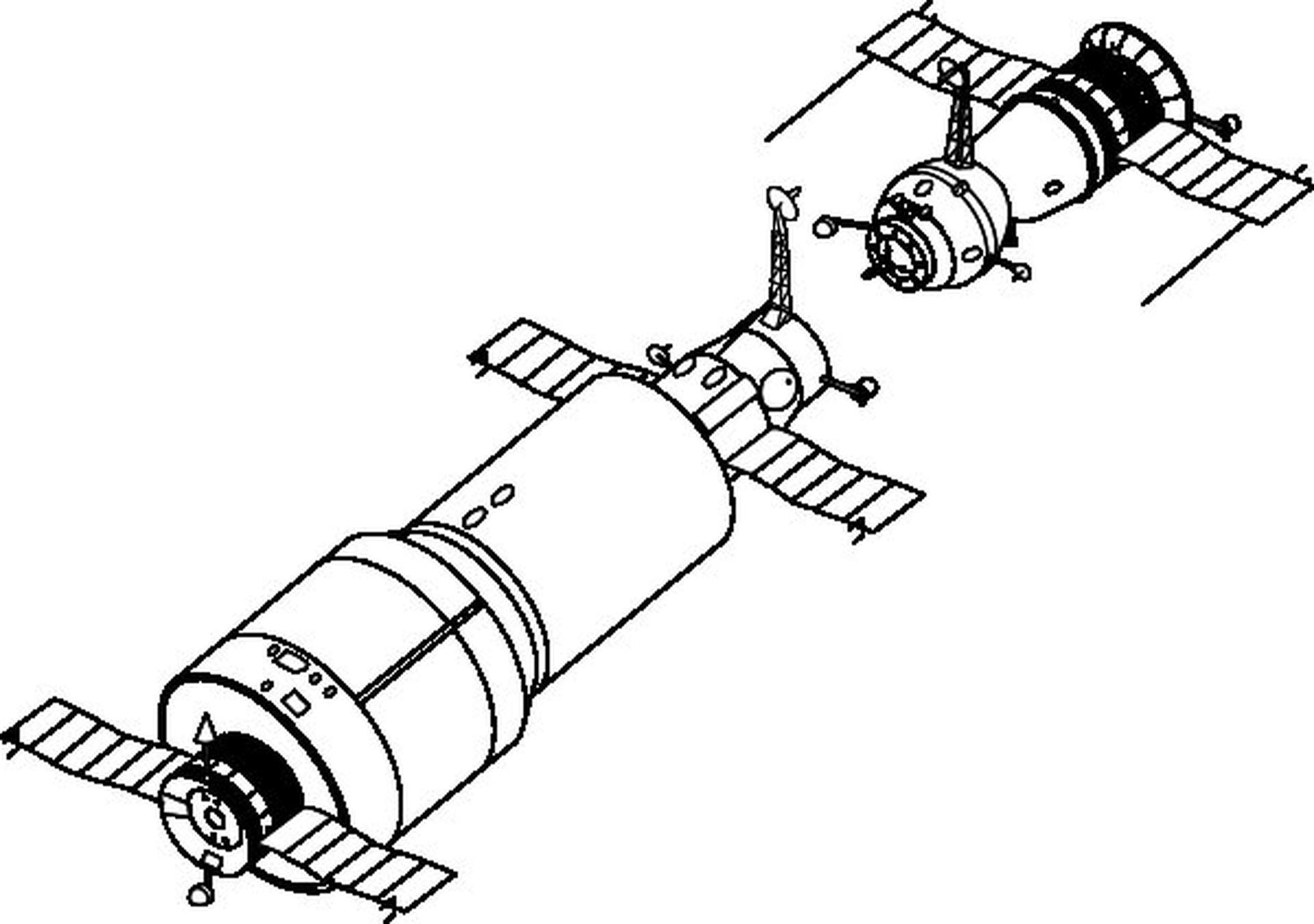
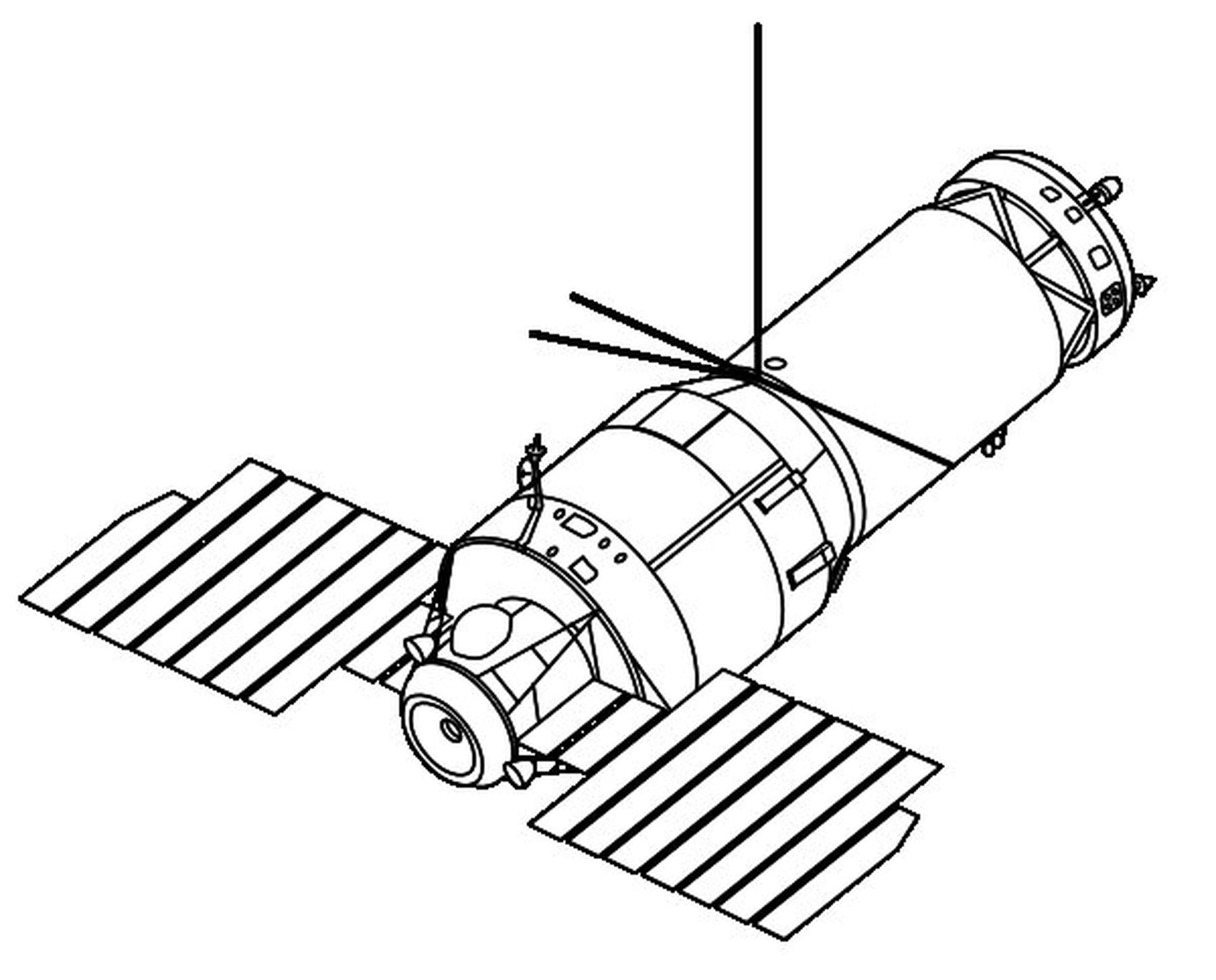
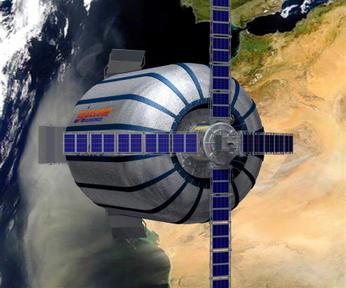
{ "count": 15, "next": null, "previous": "https://ll.thespacedevs.com/2.2.0/spacestation/?format=api&limit=10&ordering=-onboard_crew", "results": [ { "id": 9, "url": "https://ll.thespacedevs.com/2.2.0/spacestation/9/?format=api", "name": "Salyut 1", "status": { "id": 2, "name": "De-Orbited" }, "type": { "id": 2, "name": "Government" }, "founded": "1971-04-19", "deorbited": "1971-10-11", "description": "Salyut 1 (DOS-1) was the first space station of any kind, launched into low Earth orbit by the Soviet Union on April 19, 1971. The Salyut program followed this with five more successful launches out of seven more stations. The final module of the program, Zvezda (DOS-8) became the core of the Russian segment of the International Space Station and remains in orbit.", "orbit": "Low Earth Orbit", "owners": [ { "id": 63, "url": "https://ll.thespacedevs.com/2.2.0/agencies/63/?format=api", "name": "Russian Federal Space Agency (ROSCOSMOS)", "abbrev": "RFSA" } ], "active_expeditions": [], "image_url": "https://thespacedevs-prod.nyc3.digitaloceanspaces.com/media/images/salyut25201_image_20190217072508.jpeg" }, { "id": 14, "url": "https://ll.thespacedevs.com/2.2.0/spacestation/14/?format=api", "name": "Salyut 6", "status": { "id": 2, "name": "De-Orbited" }, "type": { "id": 2, "name": "Government" }, "founded": "1977-09-29", "deorbited": "1982-07-29", "description": "Salyut 6, also known as DOS-5, was a Soviet orbital space station, the eighth flown as part of the Salyut programme. Launched on 29 September 1977 by a Proton rocket, the station was the first of the \"second-generation\" type of space station. Salyut 6 possessed several revolutionary advances over the earlier Soviet space stations, which it nevertheless resembled in overall design. These included the addition of a second docking port, a new main propulsion system and the station's primary scientific instrument, the BST-1M multispectral telescope. The addition of the second docking port made crew handovers and station resupply by unmanned Progress freighters possible for the first time.", "orbit": "Low Earth Orbit", "owners": [ { "id": 63, "url": "https://ll.thespacedevs.com/2.2.0/agencies/63/?format=api", "name": "Russian Federal Space Agency (ROSCOSMOS)", "abbrev": "RFSA" } ], "active_expeditions": [], "image_url": "https://thespacedevs-prod.nyc3.digitaloceanspaces.com/media/images/salyut25206_image_20190318095930.jpg" }, { "id": 10, "url": "https://ll.thespacedevs.com/2.2.0/spacestation/10/?format=api", "name": "Salyut 2", "status": { "id": 2, "name": "De-Orbited" }, "type": { "id": 2, "name": "Government" }, "founded": "1973-04-03", "deorbited": "1973-05-28", "description": "Salyut 2 (OPS-1) (Russian: Салют-2 meaning Salute 2) was a Soviet space station which was launched in 1973 as part of the Salyut programme. It was the first Almaz military space station to fly. Within two weeks of its launch, the station had lost attitude control and depressurised, leaving it unusable. Its orbit decayed and it re-entered the atmosphere on 28 May 1973, without any crews having visited it.", "orbit": "Low Earth Orbit", "owners": [ { "id": 63, "url": "https://ll.thespacedevs.com/2.2.0/agencies/63/?format=api", "name": "Russian Federal Space Agency (ROSCOSMOS)", "abbrev": "RFSA" } ], "active_expeditions": [], "image_url": "https://thespacedevs-prod.nyc3.digitaloceanspaces.com/media/images/salyut25202_image_20190217082304.jpeg" }, { "id": 16, "url": "https://ll.thespacedevs.com/2.2.0/spacestation/16/?format=api", "name": "Genesis I", "status": { "id": 3, "name": "Decommissioned" }, "type": { "id": 3, "name": "Commercial" }, "founded": "2006-07-12", "deorbited": null, "description": "Genesis I is the first of two experimental inflatable space habitats. It is a one-third scale model of Bigelow Aerospace's BA330 Module.", "orbit": "Low Earth Orbit", "owners": [ { "id": 140, "url": "https://ll.thespacedevs.com/2.2.0/agencies/140/?format=api", "name": "Bigelow Aerospace", "abbrev": "Bigelow" } ], "active_expeditions": [], "image_url": "https://thespacedevs-prod.nyc3.digitaloceanspaces.com/media/images/genesis_i_image_20200221101955.jpg" }, { "id": 13, "url": "https://ll.thespacedevs.com/2.2.0/spacestation/13/?format=api", "name": "Salyut 5", "status": { "id": 2, "name": "De-Orbited" }, "type": { "id": 2, "name": "Government" }, "founded": "1976-06-22", "deorbited": "1988-08-08", "description": "Salyut 5, also known as OPS-3, was a Soviet space station. Launched in 1976 as part of the Salyut programme, it was the third and last Almaz space station to be launched for the Soviet military. Two Soyuz missions visited the station, each manned by two cosmonauts. A third Soyuz mission attempted to visit the station, but failed to dock, whilst a fourth mission was planned but never launched.", "orbit": "Low Earth Orbit", "owners": [ { "id": 63, "url": "https://ll.thespacedevs.com/2.2.0/agencies/63/?format=api", "name": "Russian Federal Space Agency (ROSCOSMOS)", "abbrev": "RFSA" } ], "active_expeditions": [], "image_url": "https://thespacedevs-prod.nyc3.digitaloceanspaces.com/media/images/salyut25205_image_20190318095611.png" } ] }