Landing List
API endpoint that allows Landings to be viewed.
GET: Return a list of all the existing landings.
MODE: Normal, Detailed, and List /2.2.0/landings/?mode=detailed
FILTERS: Fields - 'attempt', 'success', 'landing_location__ids', 'landing_type__ids', 'spacecraft__ids', 'launcher__ids', 'spacecraft_launch__ids', 'firststage_launch__ids', 'spacecraft_config__ids', 'launcher_config__ids', 'launcher_serial_numbers'
Get all Landings with the launcher serial number of B1049. Example - /2.2.0/landings/?launcher_serial_numbers=B1049
ORDERING: Fields - 'id', 'downrange_distance' Example - /2.2.0/landings/?ordering=-downrange_distance
GET /2.2.0/landings/?format=api&offset=1720&ordering=downrange_distance
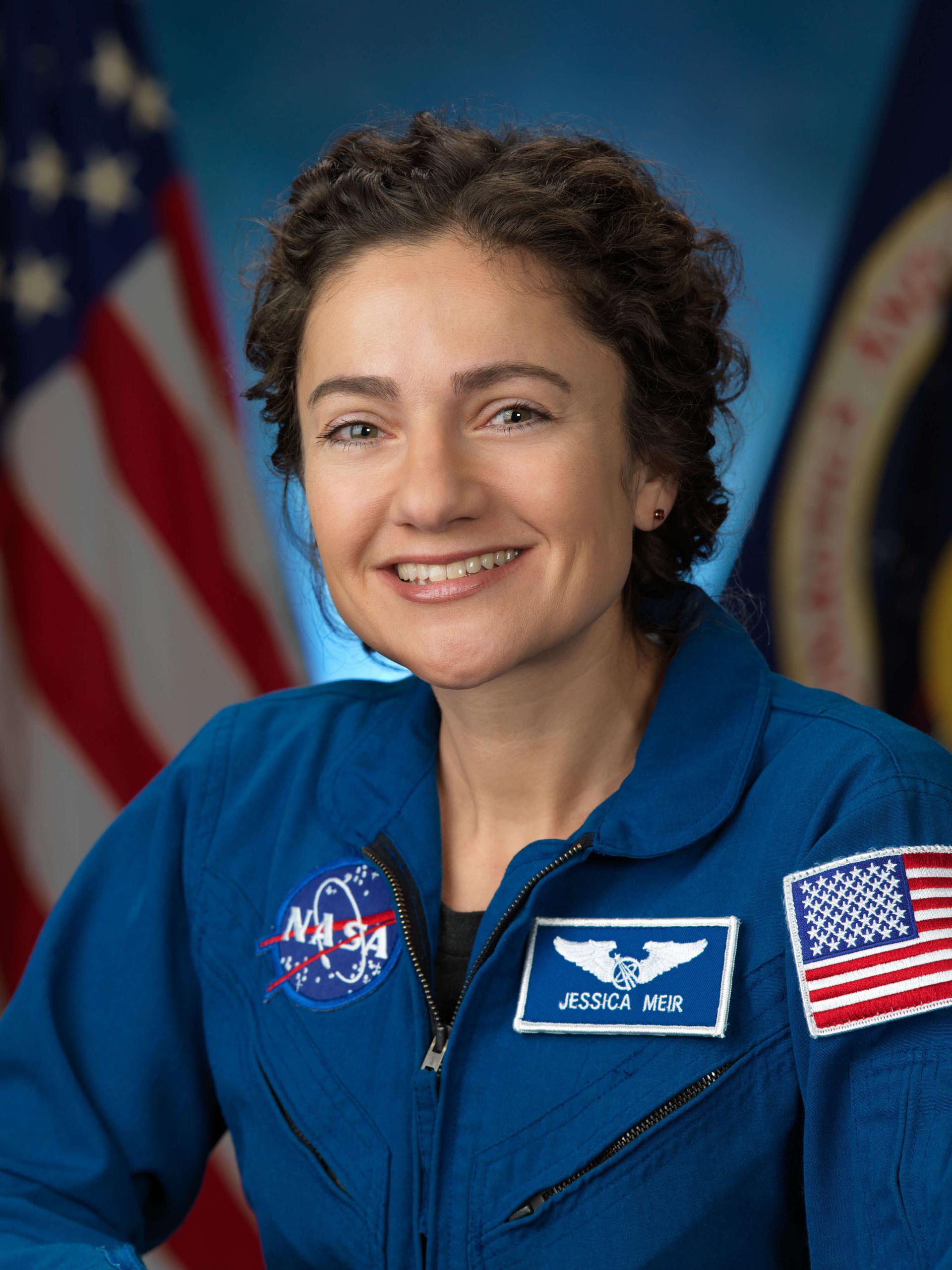
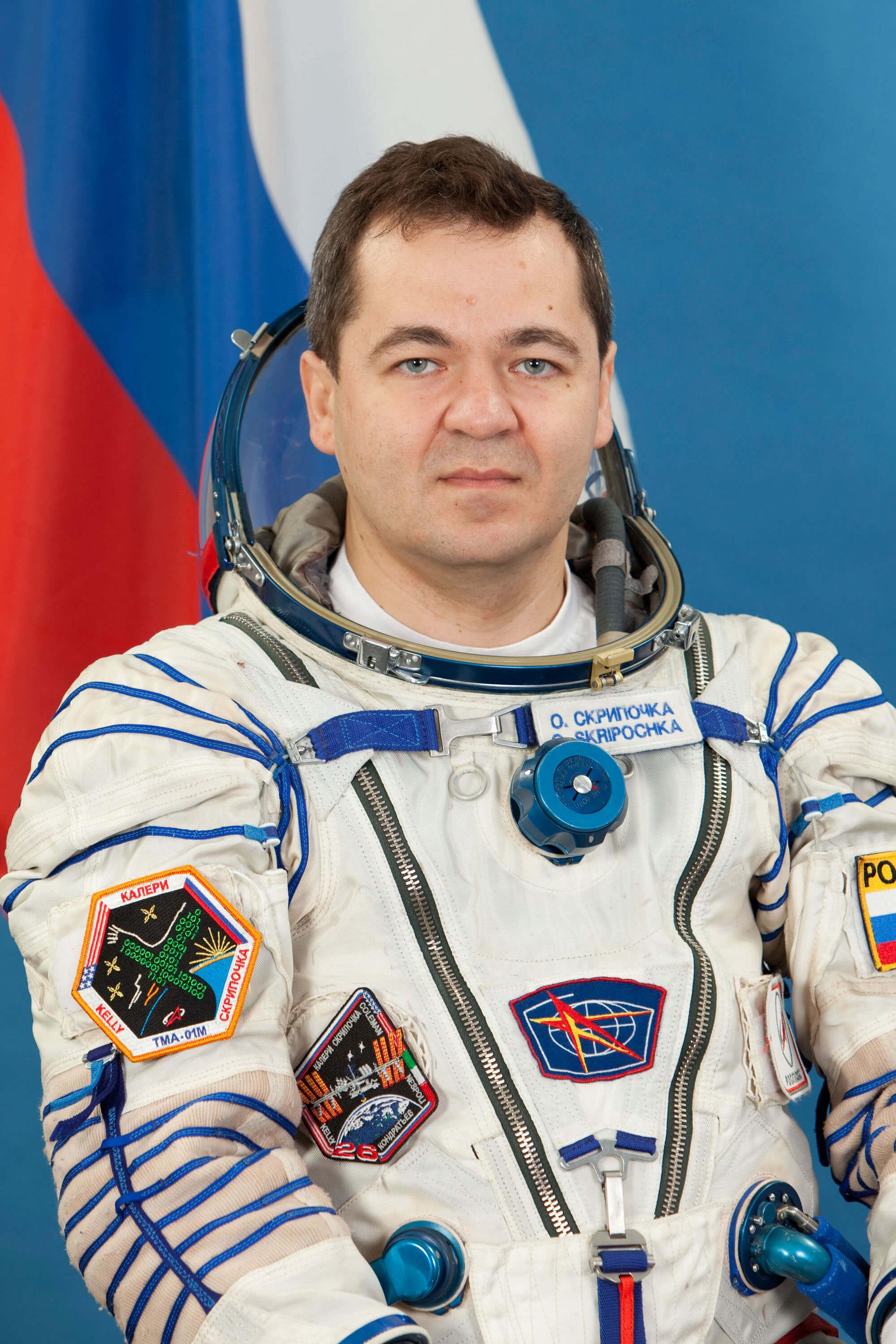
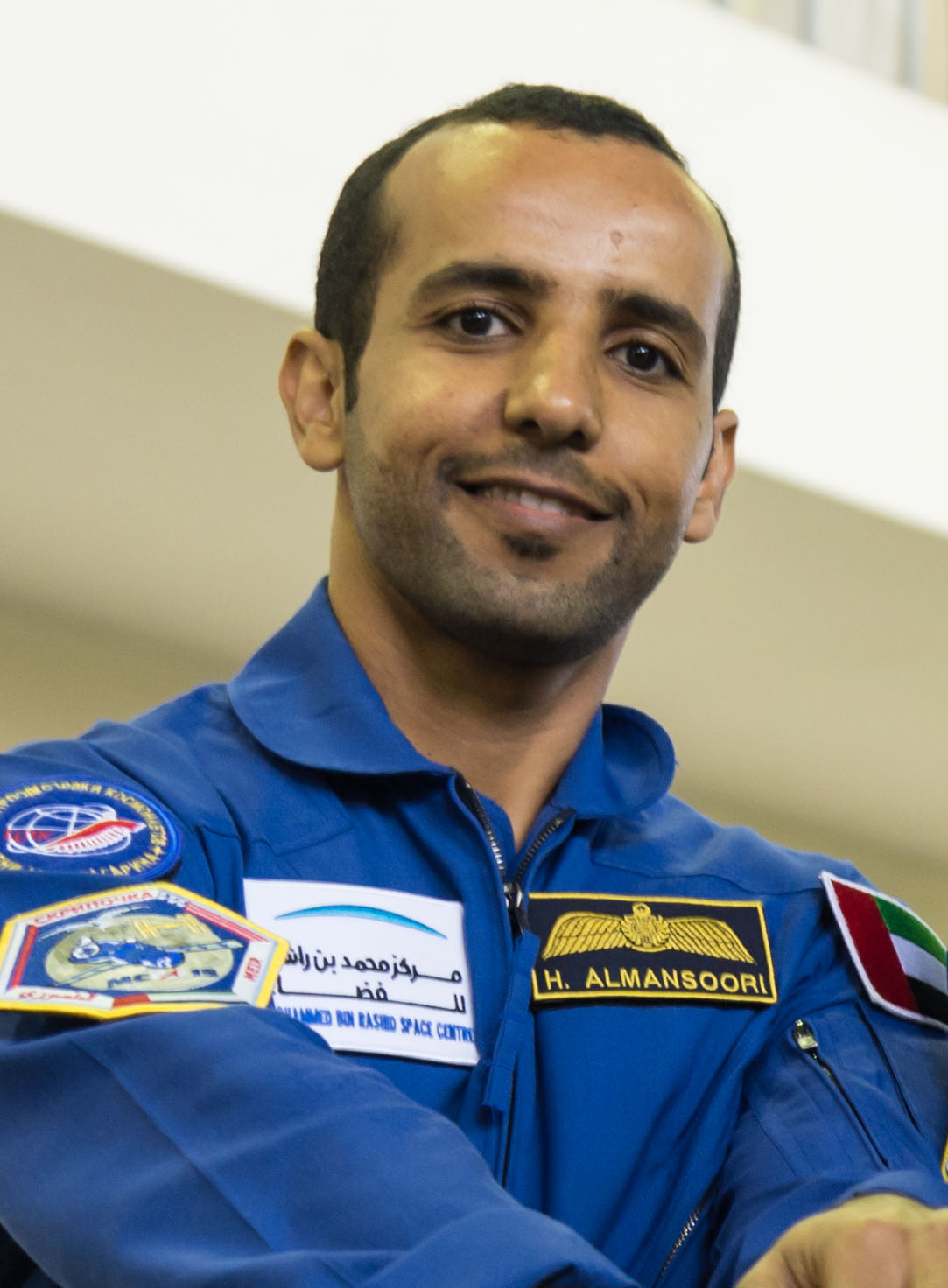
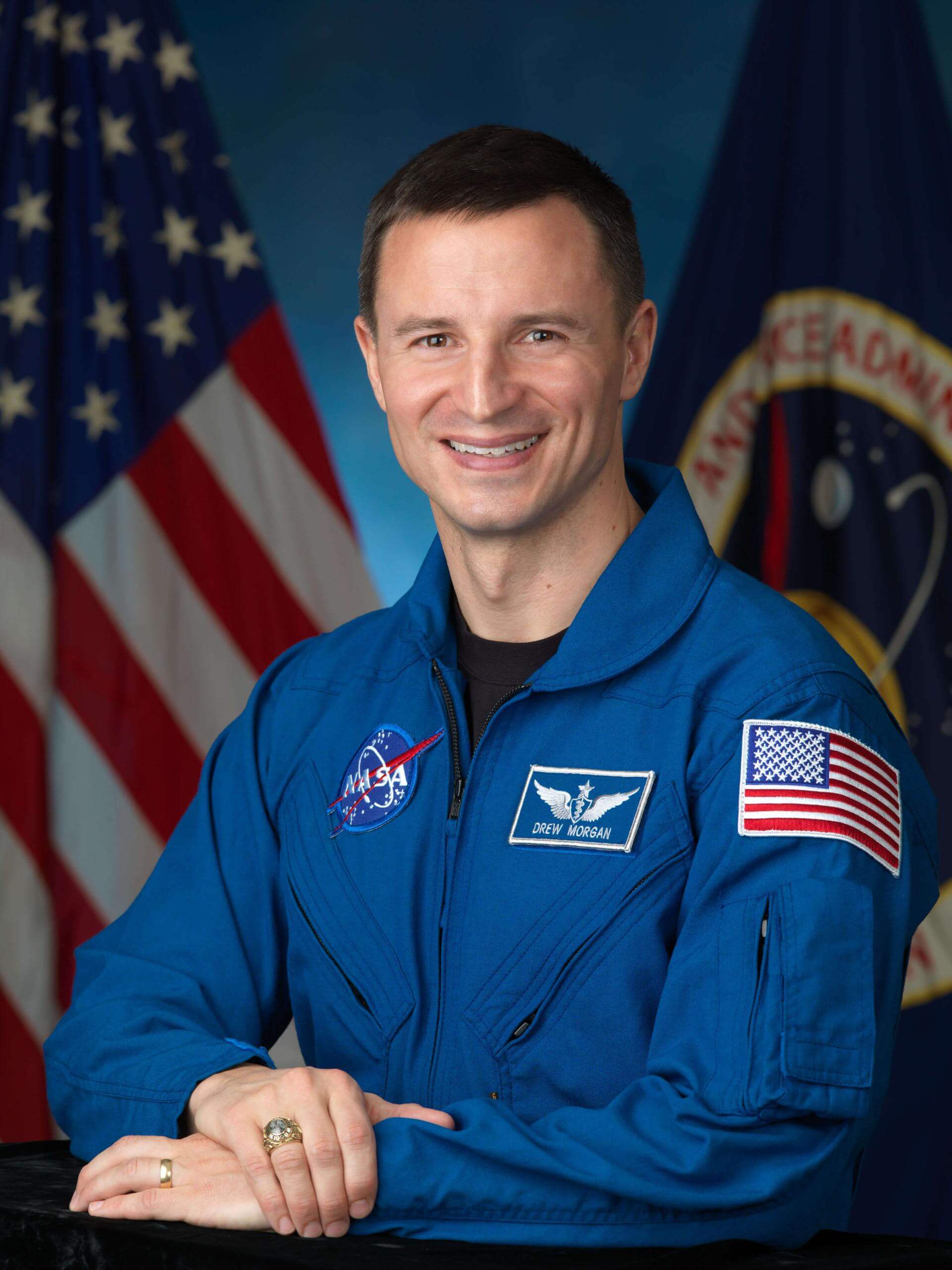
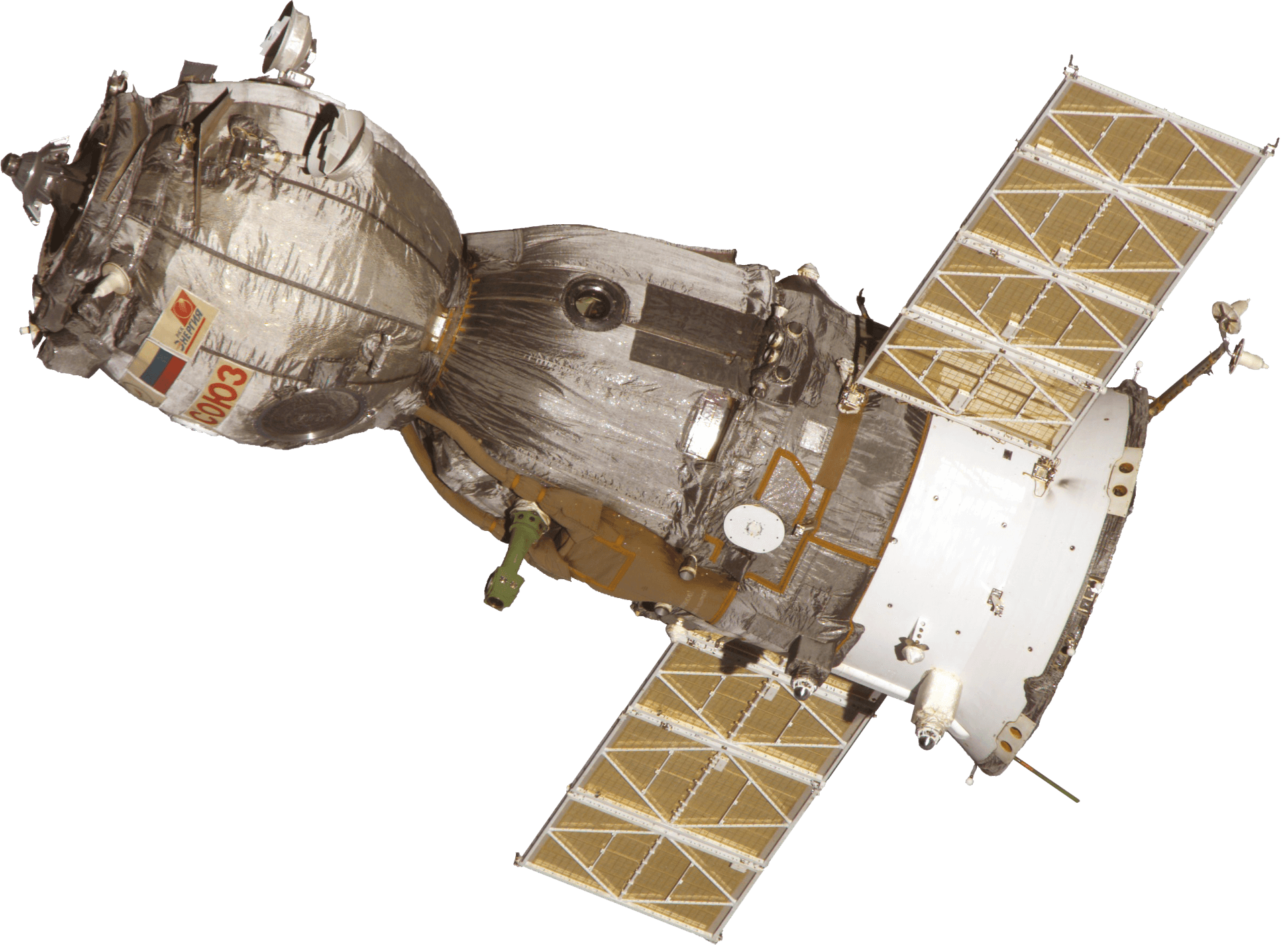
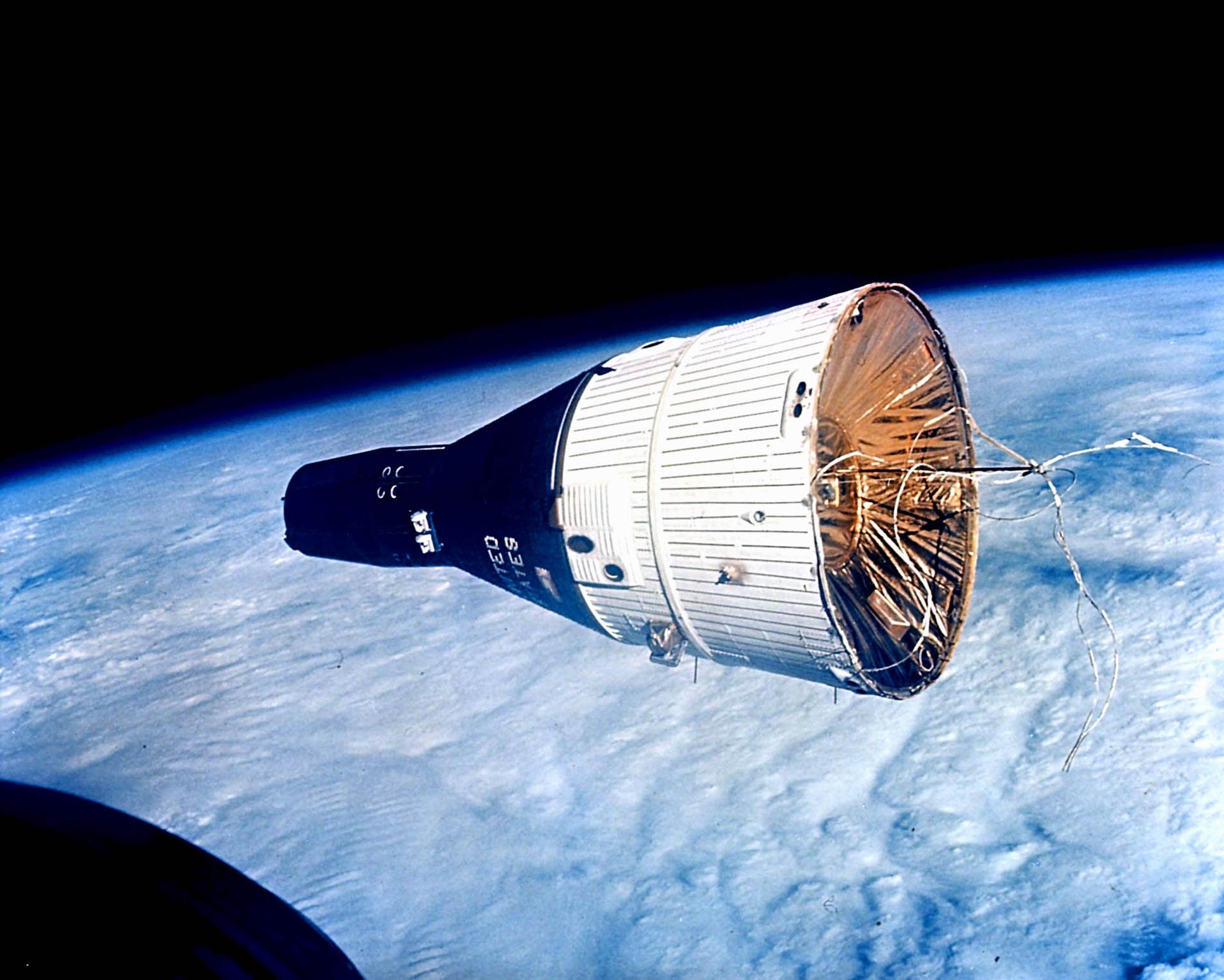
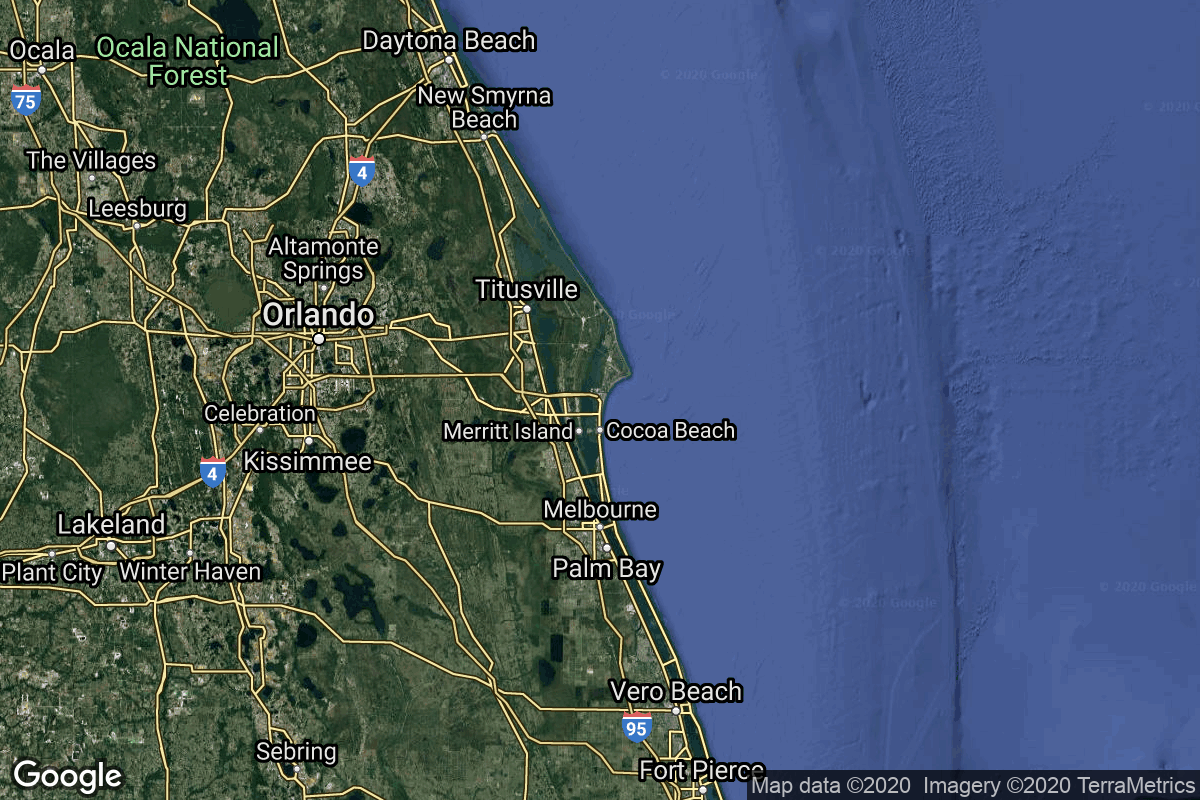
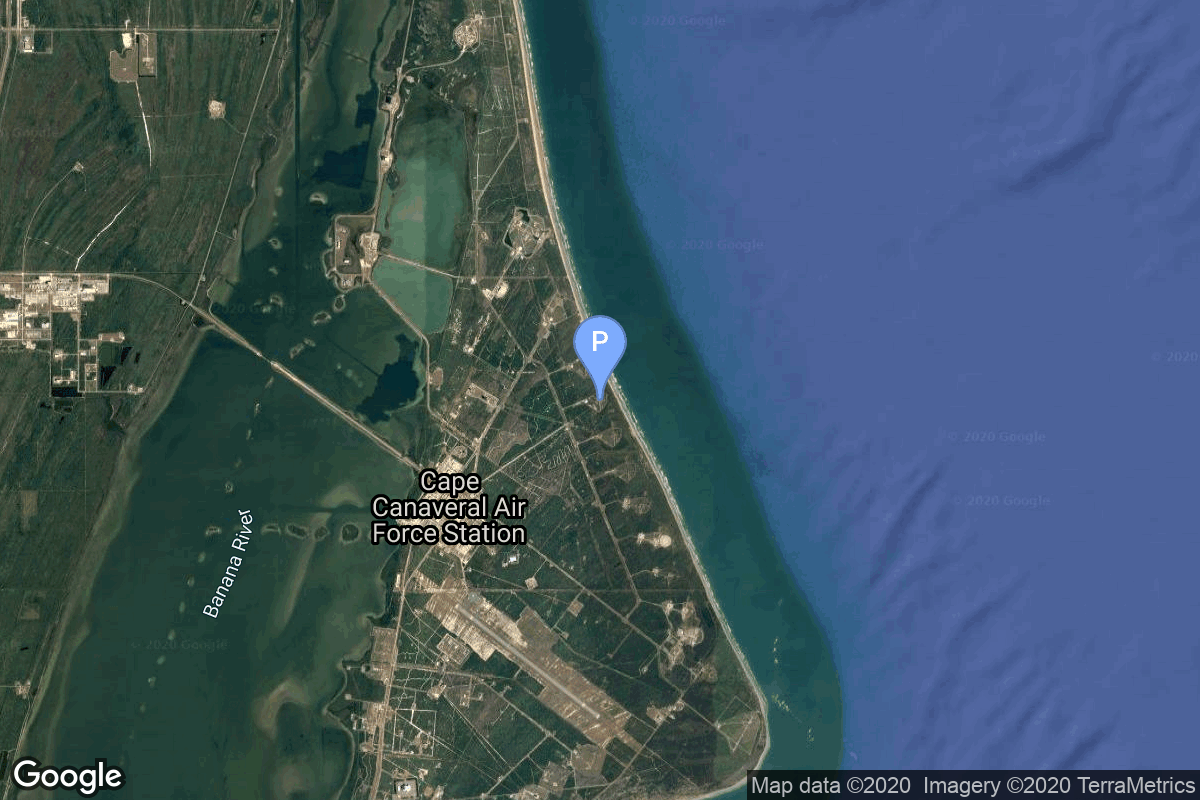
{ "count": 1722, "next": null, "previous": "https://ll.thespacedevs.com/2.2.0/landings/?format=api&limit=10&offset=1710&ordering=downrange_distance", "results": [ { "id": 808, "url": "https://ll.thespacedevs.com/2.2.0/landings/808/?format=api", "attempt": true, "success": true, "description": "The Soyuz spacecraft safely landed in Kazakhstan.", "downrange_distance": null, "landing_type": { "id": 4, "name": "Parachute Landing", "abbrev": "PCL", "description": "Unpowered landing using parachute(s)." }, "landing_location": { "id": 19, "name": "Kazakhstan", "abbrev": "KAZ", "description": "Deserts of Kazakhstan in Central Asia", "location": null, "successful_landings": 195 }, "firststage": null, "spacecraftflight": { "id": 491, "url": "https://ll.thespacedevs.com/2.2.0/spacecraft/flight/491/?format=api", "mission_end": "2020-04-17T05:16:43Z", "destination": "International Space Station", "launch_crew": [ { "id": 3105, "role": { "id": 3, "role": "Flight Engineer", "priority": 2 }, "astronaut": { "id": 573, "url": "https://ll.thespacedevs.com/2.2.0/astronaut/573/?format=api", "name": "Jessica Meir", "type": { "id": 2, "name": "Government" }, "in_space": true, "time_in_space": "P323DT6H58M22S", "status": { "id": 1, "name": "Active" }, "agency": { "id": 44, "url": "https://ll.thespacedevs.com/2.2.0/agencies/44/?format=api", "name": "National Aeronautics and Space Administration", "type": "Government" }, "date_of_birth": "1977-07-01", "date_of_death": null, "nationality": "American", "twitter": "https://twitter.com/Astro_Jessica", "instagram": "https://www.instagram.com/astro_jessica/", "bio": "Jessica Ulrika Meir is Assistant Professor of Anesthesia at Harvard Medical School, Massachusetts General Hospital, Boston, following postdoctoral research in comparative physiology at the University of British Columbia. She has studied the diving physiology and behavior of emperor penguins in Antarctica, and the physiology of bar-headed geese, which are able to migrate over the Himalayas. In 2000, Meir graduated with a Master of Space Studies from the International Space University in Strasbourg, France. In September 2002, Meir served as an aquanaut on the NASA Extreme Environment Mission Operations 4 (NEEMO 4) crew. In June 2013 she was named an astronaut candidate by NASA, becoming one of the eight members of NASA Astronaut Group 21. She is from Caribou, Maine.", "profile_image": "https://thespacedevs-prod.nyc3.digitaloceanspaces.com/media/images/jessica_meir_image_20200417064900.jpeg", "wiki": "https://en.wikipedia.org/wiki/Jessica_Meir", "last_flight": "2026-02-13T10:15:56Z", "first_flight": "2019-09-25T13:57:42Z" } }, { "id": 1742, "role": { "id": 3, "role": "Flight Engineer", "priority": 2 }, "astronaut": { "id": 255, "url": "https://ll.thespacedevs.com/2.2.0/astronaut/255/?format=api", "name": "Oleg Skripochka", "type": { "id": 2, "name": "Government" }, "in_space": false, "time_in_space": "P536DT3H48M24S", "status": { "id": 2, "name": "Retired" }, "agency": { "id": 63, "url": "https://ll.thespacedevs.com/2.2.0/agencies/63/?format=api", "name": "Russian Federal Space Agency (ROSCOSMOS)", "type": "Government" }, "date_of_birth": "1969-12-24", "date_of_death": null, "nationality": "Russian", "twitter": null, "instagram": null, "bio": "Oleg Ivanovich Skripochka (Russian: Оле́г Ива́нович Скри́почка; born 24 December 1969 in Nevinnomyssk, Stavropol Krai, Russian SFSR, Soviet Union) is a Russian cosmonaut. He served as an Expedition 25/26 and 61/62 crewmember.\r\nDecember 1st, 2021 Roskosmos announced Skripochka's retirement from active duty and his assignment to a training official role within the russian space agency.", "profile_image": "https://thespacedevs-prod.nyc3.digitaloceanspaces.com/media/images/oleg_skripochka_image_20200417064956.jpeg", "wiki": "https://en.wikipedia.org/wiki/Oleg_Skripochka", "last_flight": "2019-09-25T13:57:42Z", "first_flight": "2010-10-07T23:10:55Z" } }, { "id": 900, "role": { "id": 10, "role": "Spaceflight Participant", "priority": 6 }, "astronaut": { "id": 640, "url": "https://ll.thespacedevs.com/2.2.0/astronaut/640/?format=api", "name": "Hazza Al Mansouri", "type": { "id": 2, "name": "Government" }, "in_space": false, "time_in_space": "P7DT21H1M18S", "status": { "id": 1, "name": "Active" }, "agency": { "id": 198, "url": "https://ll.thespacedevs.com/2.2.0/agencies/198/?format=api", "name": "Mohammed bin Rashid Space Centre", "type": "Government" }, "date_of_birth": "1983-12-13", "date_of_death": null, "nationality": "Emirati", "twitter": "https://twitter.com/astro_hazzaa", "instagram": null, "bio": "Hazza Al Mansouri is one of the first two astronauts from the United Arab Emirates.", "profile_image": "https://thespacedevs-prod.nyc3.digitaloceanspaces.com/media/images/hazza2520al2520mansouri_image_20190911121239.jpg", "wiki": "https://en.wikipedia.org/wiki/Hazza_Al_Mansouri", "last_flight": "2019-09-25T13:57:42Z", "first_flight": "2019-09-25T13:57:42Z" } } ], "onboard_crew": [], "landing_crew": [ { "id": 3078, "role": { "id": 3, "role": "Flight Engineer", "priority": 2 }, "astronaut": { "id": 8, "url": "https://ll.thespacedevs.com/2.2.0/astronaut/8/?format=api", "name": "Andrew R. Morgan", "type": { "id": 2, "name": "Government" }, "in_space": false, "time_in_space": "P271DT12H48M22S", "status": { "id": 2, "name": "Retired" }, "agency": { "id": 44, "url": "https://ll.thespacedevs.com/2.2.0/agencies/44/?format=api", "name": "National Aeronautics and Space Administration", "type": "Government" }, "date_of_birth": "1976-02-05", "date_of_death": null, "nationality": "American", "twitter": "https://twitter.com/AstroDrewMorgan", "instagram": "https://www.instagram.com/astrodrewmorgan/", "bio": "NASA selected Morgan to join its 21st astronaut class in August 2013. He launched to the space station aboard a Soyuz MS-13 spacecraft on July 20, 2019, the same day as the 50th anniversary of the Apollo 11 Moon landing, from the Baikonur Cosmodrome in Kazakhstan.\r\n\r\nMorgan served as a flight engineer on International Space Station Expeditions 60, 61, and 62, contributing to hundreds of scientific experiments, technology demonstrations, and space station maintenance activities. He traveled over 115 million miles (about 185 million km) while completing more than 4,300 Earth orbits over the course of his mission.\r\n\r\nDuring his nine months aboard the station, Morgan conducted seven spacewalks for a total of 45 hours and 48 minutes of spacewalking time, breaking the record for a single spaceflight by a U.S. astronaut. Four of his spacewalks were dedicated to repairing the Alpha Magnetic Spectrometer, a particle physics detector designed to search for evidence of antimatter and dark matter.", "profile_image": "https://thespacedevs-prod.nyc3.digitaloceanspaces.com/media/images/andrew_r._morga_image_20220911034204.jpeg", "wiki": "https://en.wikipedia.org/wiki/Andrew_R._Morgan", "last_flight": "2019-07-20T16:28:21Z", "first_flight": "2019-07-20T16:28:21Z" } }, { "id": 3104, "role": { "id": 3, "role": "Flight Engineer", "priority": 2 }, "astronaut": { "id": 573, "url": "https://ll.thespacedevs.com/2.2.0/astronaut/573/?format=api", "name": "Jessica Meir", "type": { "id": 2, "name": "Government" }, "in_space": true, "time_in_space": "P323DT6H58M22S", "status": { "id": 1, "name": "Active" }, "agency": { "id": 44, "url": "https://ll.thespacedevs.com/2.2.0/agencies/44/?format=api", "name": "National Aeronautics and Space Administration", "type": "Government" }, "date_of_birth": "1977-07-01", "date_of_death": null, "nationality": "American", "twitter": "https://twitter.com/Astro_Jessica", "instagram": "https://www.instagram.com/astro_jessica/", "bio": "Jessica Ulrika Meir is Assistant Professor of Anesthesia at Harvard Medical School, Massachusetts General Hospital, Boston, following postdoctoral research in comparative physiology at the University of British Columbia. She has studied the diving physiology and behavior of emperor penguins in Antarctica, and the physiology of bar-headed geese, which are able to migrate over the Himalayas. In 2000, Meir graduated with a Master of Space Studies from the International Space University in Strasbourg, France. In September 2002, Meir served as an aquanaut on the NASA Extreme Environment Mission Operations 4 (NEEMO 4) crew. In June 2013 she was named an astronaut candidate by NASA, becoming one of the eight members of NASA Astronaut Group 21. She is from Caribou, Maine.", "profile_image": "https://thespacedevs-prod.nyc3.digitaloceanspaces.com/media/images/jessica_meir_image_20200417064900.jpeg", "wiki": "https://en.wikipedia.org/wiki/Jessica_Meir", "last_flight": "2026-02-13T10:15:56Z", "first_flight": "2019-09-25T13:57:42Z" } }, { "id": 1739, "role": { "id": 3, "role": "Flight Engineer", "priority": 2 }, "astronaut": { "id": 255, "url": "https://ll.thespacedevs.com/2.2.0/astronaut/255/?format=api", "name": "Oleg Skripochka", "type": { "id": 2, "name": "Government" }, "in_space": false, "time_in_space": "P536DT3H48M24S", "status": { "id": 2, "name": "Retired" }, "agency": { "id": 63, "url": "https://ll.thespacedevs.com/2.2.0/agencies/63/?format=api", "name": "Russian Federal Space Agency (ROSCOSMOS)", "type": "Government" }, "date_of_birth": "1969-12-24", "date_of_death": null, "nationality": "Russian", "twitter": null, "instagram": null, "bio": "Oleg Ivanovich Skripochka (Russian: Оле́г Ива́нович Скри́почка; born 24 December 1969 in Nevinnomyssk, Stavropol Krai, Russian SFSR, Soviet Union) is a Russian cosmonaut. He served as an Expedition 25/26 and 61/62 crewmember.\r\nDecember 1st, 2021 Roskosmos announced Skripochka's retirement from active duty and his assignment to a training official role within the russian space agency.", "profile_image": "https://thespacedevs-prod.nyc3.digitaloceanspaces.com/media/images/oleg_skripochka_image_20200417064956.jpeg", "wiki": "https://en.wikipedia.org/wiki/Oleg_Skripochka", "last_flight": "2019-09-25T13:57:42Z", "first_flight": "2010-10-07T23:10:55Z" } } ], "spacecraft": { "id": 431, "url": "https://ll.thespacedevs.com/2.2.0/spacecraft/431/?format=api", "name": "Soyuz MS-15", "serial_number": "Soyuz MS 11F732A48 #744", "is_placeholder": false, "in_space": false, "time_in_space": "P204DT15H19M1S", "time_docked": "P204DT6H13M", "flights_count": 1, "mission_ends_count": 1, "status": { "id": 4, "name": "Single Use" }, "description": "Soyuz MS-15 is a Soyuz spacecraft launched in September 2019 with three crew members of the Expedition 61 to the International Space Station.\r\nMS-15 was 144th flight of a Soyuz spacecraft and the last flight of Soyuz-FG launcher.\r\nIt landed back on Earth on April 17, 2020.", "spacecraft_config": { "id": 38, "url": "https://ll.thespacedevs.com/2.2.0/config/spacecraft/38/?format=api", "name": "Soyuz MS", "type": { "id": 2, "name": "Capsule" }, "agency": { "id": 63, "url": "https://ll.thespacedevs.com/2.2.0/agencies/63/?format=api", "name": "Russian Federal Space Agency (ROSCOSMOS)", "type": "Government" }, "in_use": true, "image_url": "https://thespacedevs-prod.nyc3.digitaloceanspaces.com/media/images/soyuz_ms_in_orb_image_20240313130407.jpeg" } }, "launch": { "id": "08d3c407-fbc5-4856-96b7-76516b45461d", "url": "https://ll.thespacedevs.com/2.2.0/launch/08d3c407-fbc5-4856-96b7-76516b45461d/?format=api", "slug": "soyuz-fg-soyuz-ms-15", "name": "Soyuz-FG | Soyuz MS-15", "status": { "id": 3, "name": "Launch Successful", "abbrev": "Success", "description": "The launch vehicle successfully inserted its payload(s) into the target orbit(s)." }, "last_updated": "2023-06-14T08:55:54Z", "net": "2019-09-25T13:57:42Z", "window_end": "2019-09-25T13:57:42Z", "window_start": "2019-09-25T13:57:42Z", "net_precision": null, "probability": null, "weather_concerns": null, "holdreason": "", "failreason": null, "hashtag": "#SoyuzMS15", "launch_service_provider": { "id": 63, "url": "https://ll.thespacedevs.com/2.2.0/agencies/63/?format=api", "name": "Russian Federal Space Agency (ROSCOSMOS)", "type": "Government" }, "rocket": { "id": 2508, "configuration": { "id": 34, "url": "https://ll.thespacedevs.com/2.2.0/config/launcher/34/?format=api", "name": "Soyuz", "family": "", "full_name": "Soyuz FG", "variant": "FG" } }, "mission": { "id": 1035, "name": "Soyuz MS-15", "description": "Soyuz MS-15 begins expedition 61 by carrying NASA astronaut Jessica Meir, Roscosmos cosmonaut Oleg Skripochka and United Arab Emirates’ Hazzaa Ali Almansoori, a Roscosmos spaceflight participant and first Emirati in space that will spend only 8 days aboard ISS before returning to Earth aboard a Soyuz MS-12.", "launch_designator": null, "type": "Human Exploration", "orbit": { "id": 8, "name": "Low Earth Orbit", "abbrev": "LEO" }, "agencies": [], "info_urls": [], "vid_urls": [] }, "pad": { "id": 32, "url": "https://ll.thespacedevs.com/2.2.0/pad/32/?format=api", "agency_id": null, "name": "1/5", "description": null, "info_url": null, "wiki_url": "", "map_url": "https://www.google.com/maps?q=45.92,63.342", "latitude": "45.92", "longitude": "63.342", "location": { "id": 15, "url": "https://ll.thespacedevs.com/2.2.0/location/15/?format=api", "name": "Baikonur Cosmodrome, Republic of Kazakhstan", "country_code": "KAZ", "description": "The Baikonur Cosmodrome is a spaceport operated by Russia within Kazakhstan. Located in the Kazakh city of Baikonur, it is the largest operational space launch facility in terms of area. All Russian crewed spaceflights are launched from Baikonur.", "map_image": "https://thespacedevs-prod.nyc3.digitaloceanspaces.com/media/map_images/location_15_20200803142517.jpg", "timezone_name": "Asia/Qyzylorda", "total_launch_count": 1563, "total_landing_count": 0 }, "country_code": "KAZ", "map_image": "https://thespacedevs-prod.nyc3.digitaloceanspaces.com/media/map_images/pad_32_20200803143513.jpg", "total_launch_count": 487, "orbital_launch_attempt_count": 487 }, "webcast_live": false, "image": "https://thespacedevs-prod.nyc3.digitaloceanspaces.com/media/images/soyuz_image_20190717035537.jpg", "infographic": null, "program": [ { "id": 17, "url": "https://ll.thespacedevs.com/2.2.0/program/17/?format=api", "name": "International Space Station", "description": "The International Space Station programme is tied together by a complex set of legal, political and financial agreements between the sixteen nations involved in the project, governing ownership of the various components, rights to crewing and utilization, and responsibilities for crew rotation and resupply of the International Space Station. It was conceived in 1984 by President Ronald Reagan, during the Space Station Freedom project as it was originally called.", "agencies": [ { "id": 16, "url": "https://ll.thespacedevs.com/2.2.0/agencies/16/?format=api", "name": "Canadian Space Agency", "type": "Government" }, { "id": 27, "url": "https://ll.thespacedevs.com/2.2.0/agencies/27/?format=api", "name": "European Space Agency", "type": "Multinational" }, { "id": 37, "url": "https://ll.thespacedevs.com/2.2.0/agencies/37/?format=api", "name": "Japan Aerospace Exploration Agency", "type": "Government" }, { "id": 44, "url": "https://ll.thespacedevs.com/2.2.0/agencies/44/?format=api", "name": "National Aeronautics and Space Administration", "type": "Government" }, { "id": 63, "url": "https://ll.thespacedevs.com/2.2.0/agencies/63/?format=api", "name": "Russian Federal Space Agency (ROSCOSMOS)", "type": "Government" } ], "image_url": "https://thespacedevs-prod.nyc3.digitaloceanspaces.com/media/images/international2_program_20201129184745.png", "start_date": "1998-11-20T06:40:00Z", "end_date": null, "info_url": "https://www.nasa.gov/mission_pages/station/main/index.html", "wiki_url": "https://en.wikipedia.org/wiki/International_Space_Station_programme", "mission_patches": [], "type": { "id": 2, "name": "Human Spaceflight" } }, { "id": 8, "url": "https://ll.thespacedevs.com/2.2.0/program/8/?format=api", "name": "Soyuz", "description": "The Soyuz programme is a human spaceflight programme initiated by the Soviet Union in the early 1960s. The Soyuz spacecraft was originally part of a Moon landing project intended to put a Soviet cosmonaut on the Moon. It was the third Soviet human spaceflight programme after the Vostok and Voskhod programmes.", "agencies": [ { "id": 63, "url": "https://ll.thespacedevs.com/2.2.0/agencies/63/?format=api", "name": "Russian Federal Space Agency (ROSCOSMOS)", "type": "Government" }, { "id": 66, "url": "https://ll.thespacedevs.com/2.2.0/agencies/66/?format=api", "name": "Soviet Space Program", "type": "Government" } ], "image_url": "https://thespacedevs-prod.nyc3.digitaloceanspaces.com/media/images/soyuz_program_20201129185543.png", "start_date": "1966-11-28T11:02:00Z", "end_date": null, "info_url": null, "wiki_url": "https://en.wikipedia.org/wiki/Soyuz_programme", "mission_patches": [], "type": { "id": 2, "name": "Human Spaceflight" } } ], "orbital_launch_attempt_count": 5889, "location_launch_attempt_count": 1505, "pad_launch_attempt_count": 487, "agency_launch_attempt_count": 287, "orbital_launch_attempt_count_year": 69, "location_launch_attempt_count_year": 10, "pad_launch_attempt_count_year": 3, "agency_launch_attempt_count_year": 8, "type": "normal" } } }, { "id": 455, "url": "https://ll.thespacedevs.com/2.2.0/landings/455/?format=api", "attempt": false, "success": null, "description": "The Gemini spacecraft was intentionally destroyed during re-entry.", "downrange_distance": null, "landing_type": null, "landing_location": null, "firststage": null, "spacecraftflight": { "id": 704, "url": "https://ll.thespacedevs.com/2.2.0/spacecraft/flight/704/?format=api", "mission_end": "1964-04-12T15:00:00Z", "destination": "Low Earth Orbit", "launch_crew": [], "onboard_crew": [], "landing_crew": [], "spacecraft": { "id": 11, "url": "https://ll.thespacedevs.com/2.2.0/spacecraft/11/?format=api", "name": "Gemini SC1", "serial_number": "1", "is_placeholder": false, "in_space": false, "time_in_space": "P3DT22H59M59S", "time_docked": "P0D", "flights_count": 1, "mission_ends_count": 1, "status": { "id": 4, "name": "Single Use" }, "description": "Gemini SC1 is the Gemini capsule used for the Gemini 1 mission launched on April 8, 1964.", "spacecraft_config": { "id": 12, "url": "https://ll.thespacedevs.com/2.2.0/config/spacecraft/12/?format=api", "name": "Gemini", "type": { "id": 2, "name": "Capsule" }, "agency": { "id": 44, "url": "https://ll.thespacedevs.com/2.2.0/agencies/44/?format=api", "name": "National Aeronautics and Space Administration", "type": "Government" }, "in_use": false, "image_url": "https://thespacedevs-prod.nyc3.digitaloceanspaces.com/media/images/gemini_image_20190207032517.jpeg" } }, "launch": { "id": "728f62eb-7d51-4c30-b522-f583f33491fc", "url": "https://ll.thespacedevs.com/2.2.0/launch/728f62eb-7d51-4c30-b522-f583f33491fc/?format=api", "slug": "titan-ii-glv-gemini-i", "name": "Titan II GLV | Gemini I", "status": { "id": 3, "name": "Launch Successful", "abbrev": "Success", "description": "The launch vehicle successfully inserted its payload(s) into the target orbit(s)." }, "last_updated": "2023-06-14T17:40:09Z", "net": "1964-04-08T16:00:01Z", "window_end": "1964-04-08T16:00:01Z", "window_start": "1964-04-08T16:00:01Z", "net_precision": null, "probability": null, "weather_concerns": null, "holdreason": "", "failreason": "", "hashtag": null, "launch_service_provider": { "id": 161, "url": "https://ll.thespacedevs.com/2.2.0/agencies/161/?format=api", "name": "United States Air Force", "type": "Government" }, "rocket": { "id": 3270, "configuration": { "id": 98, "url": "https://ll.thespacedevs.com/2.2.0/config/launcher/98/?format=api", "name": "Titan II", "family": "Titan", "full_name": "Titan II GLV", "variant": "GLV" } }, "mission": { "id": 1692, "name": "Gemini I", "description": "Gemini 1 was the first mission in NASA's Gemini program. An uncrewed test flight of the Gemini spacecraft, its main objectives were to test the structural integrity of the new spacecraft and modified Titan II launch vehicle. It was also the first test of the new tracking and communication systems for the Gemini program and provided training for the ground support crews for the first crewed missions.", "launch_designator": null, "type": "Test Flight", "orbit": { "id": 8, "name": "Low Earth Orbit", "abbrev": "LEO" }, "agencies": [], "info_urls": [], "vid_urls": [] }, "pad": { "id": 18, "url": "https://ll.thespacedevs.com/2.2.0/pad/18/?format=api", "agency_id": null, "name": "Launch Complex 19", "description": null, "info_url": null, "wiki_url": "https://en.wikipedia.org/wiki/Cape_Canaveral_Air_Force_Station_Launch_Complex_19", "map_url": "https://www.google.com/maps?q=28.506898,-80.554169", "latitude": "28.506898", "longitude": "-80.554169", "location": { "id": 12, "url": "https://ll.thespacedevs.com/2.2.0/location/12/?format=api", "name": "Cape Canaveral SFS, FL, USA", "country_code": "USA", "description": "Cape Canaveral Space Force Station (CCSFS) is an installation of the United States Space Force's Space Launch Delta 45, located on Cape Canaveral in Brevard County, Florida.", "map_image": "https://thespacedevs-prod.nyc3.digitaloceanspaces.com/media/map_images/location_12_20200803142519.jpg", "timezone_name": "America/New_York", "total_launch_count": 1114, "total_landing_count": 75 }, "country_code": "USA", "map_image": "https://thespacedevs-prod.nyc3.digitaloceanspaces.com/media/map_images/pad_18_20200803143356.jpg", "total_launch_count": 12, "orbital_launch_attempt_count": 11 }, "webcast_live": false, "image": "https://thespacedevs-prod.nyc3.digitaloceanspaces.com/media/images/titan2520ii_image_20190222030027.jpeg", "infographic": null, "program": [ { "id": 3, "url": "https://ll.thespacedevs.com/2.2.0/program/3/?format=api", "name": "Gemini", "description": "Project Gemini was NASA's second human spaceflight program. Conducted between projects Mercury and Apollo, Gemini started in 1961 and concluded in 1966.", "agencies": [ { "id": 44, "url": "https://ll.thespacedevs.com/2.2.0/agencies/44/?format=api", "name": "National Aeronautics and Space Administration", "type": "Government" } ], "image_url": "https://thespacedevs-prod.nyc3.digitaloceanspaces.com/media/images/project2520gem_program_20200820195350.png", "start_date": "1961-12-07T00:00:00Z", "end_date": "1966-11-15T19:21:04Z", "info_url": "https://www.nasa.gov/mission_pages/gemini/index.html", "wiki_url": "https://en.wikipedia.org/wiki/Project_Gemini", "mission_patches": [], "type": { "id": 2, "name": "Human Spaceflight" } } ], "orbital_launch_attempt_count": 315, "location_launch_attempt_count": 111, "pad_launch_attempt_count": 1, "agency_launch_attempt_count": 187, "orbital_launch_attempt_count_year": 22, "location_launch_attempt_count_year": 5, "pad_launch_attempt_count_year": 1, "agency_launch_attempt_count_year": 12, "type": "normal" } } } ] }