Landing List
API endpoint that allows Landings to be viewed.
GET: Return a list of all the existing landings.
MODE: Normal, Detailed, and List /2.2.0/landings/?mode=detailed
FILTERS: Fields - 'attempt', 'success', 'landing_location__ids', 'landing_type__ids', 'spacecraft__ids', 'launcher__ids', 'spacecraft_launch__ids', 'firststage_launch__ids', 'spacecraft_config__ids', 'launcher_config__ids', 'launcher_serial_numbers'
Get all Landings with the launcher serial number of B1049. Example - /2.2.0/landings/?launcher_serial_numbers=B1049
ORDERING: Fields - 'id', 'downrange_distance' Example - /2.2.0/landings/?ordering=-downrange_distance
GET /2.2.0/landings/?format=api&offset=1720&ordering=-downrange_distance
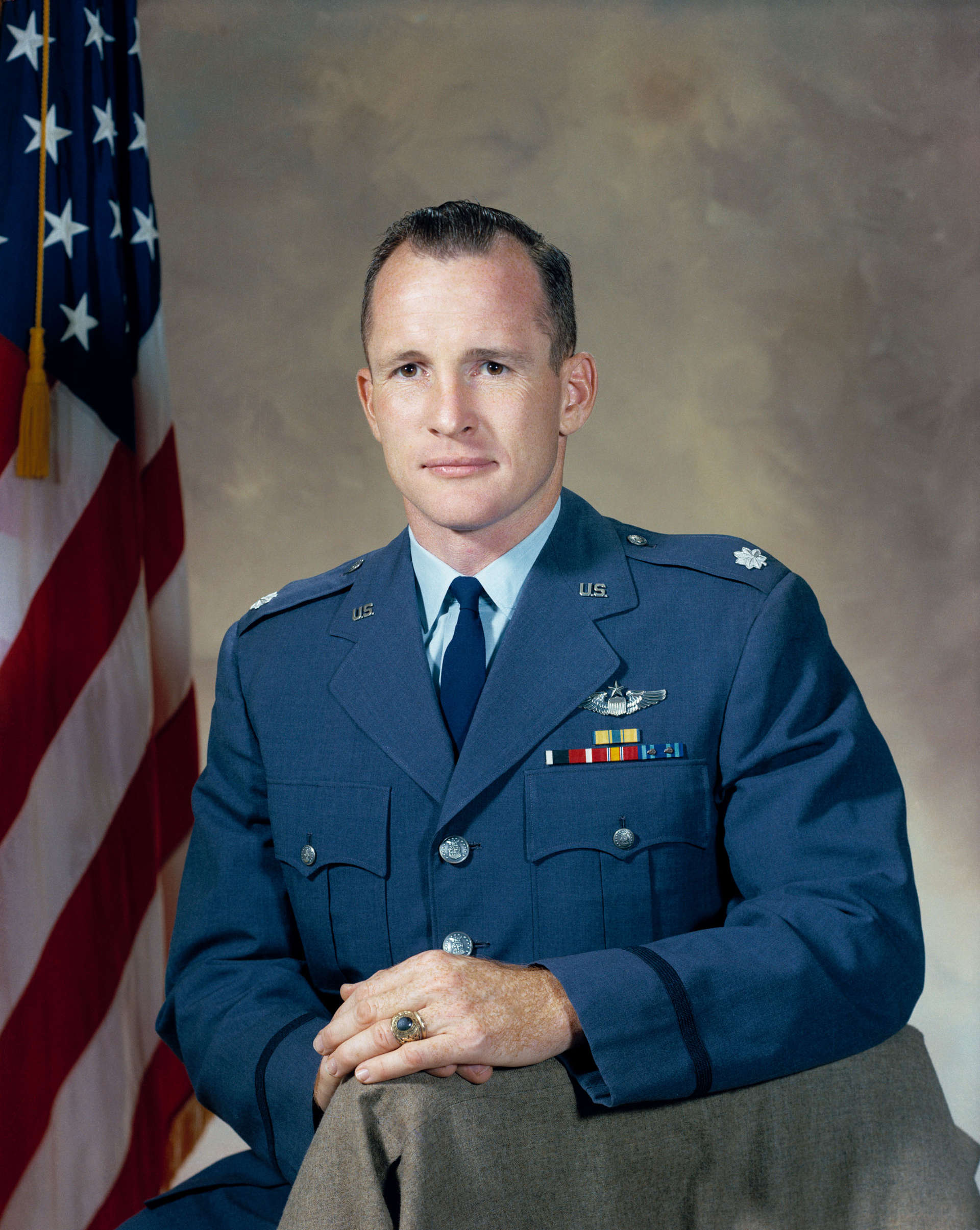
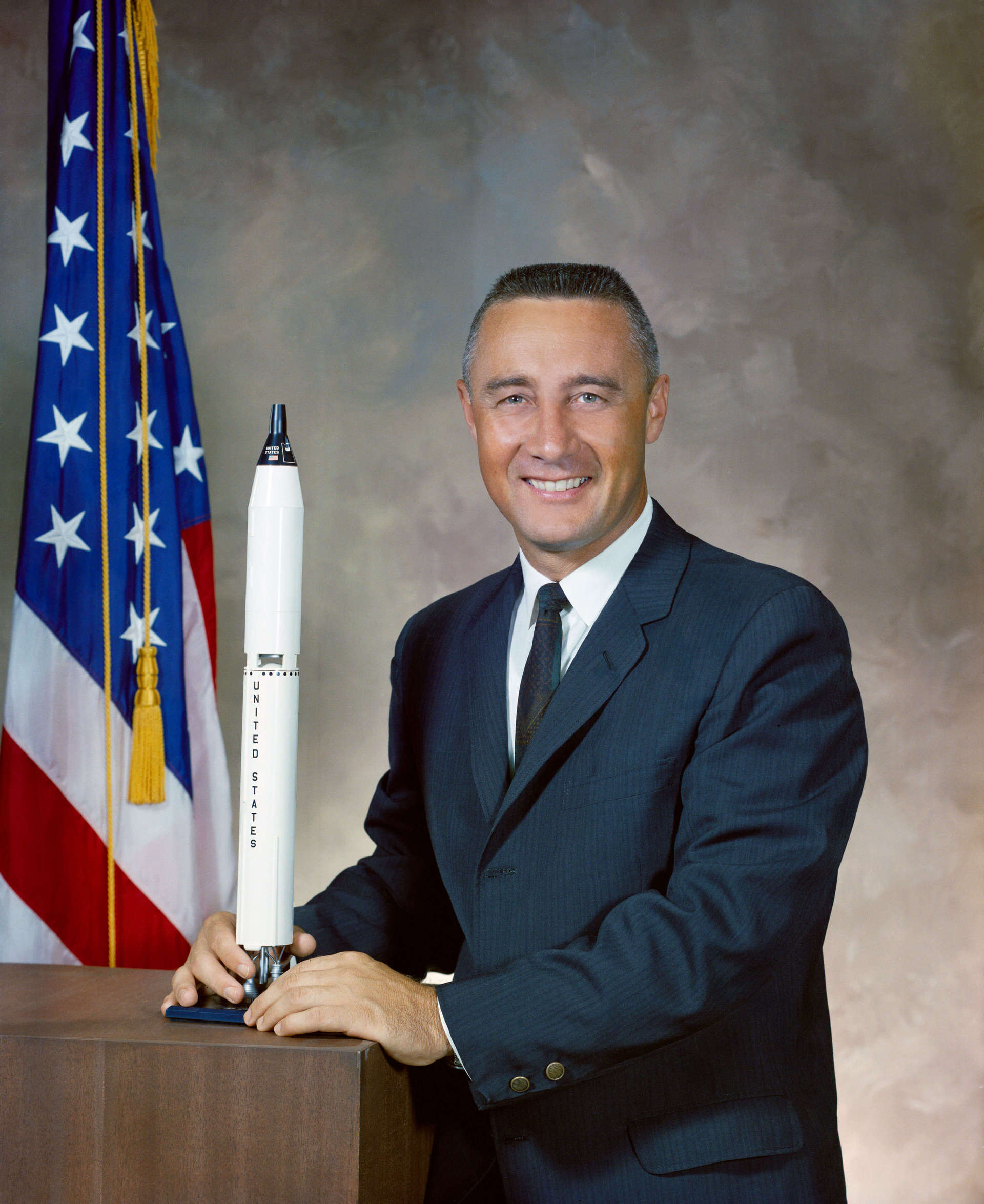
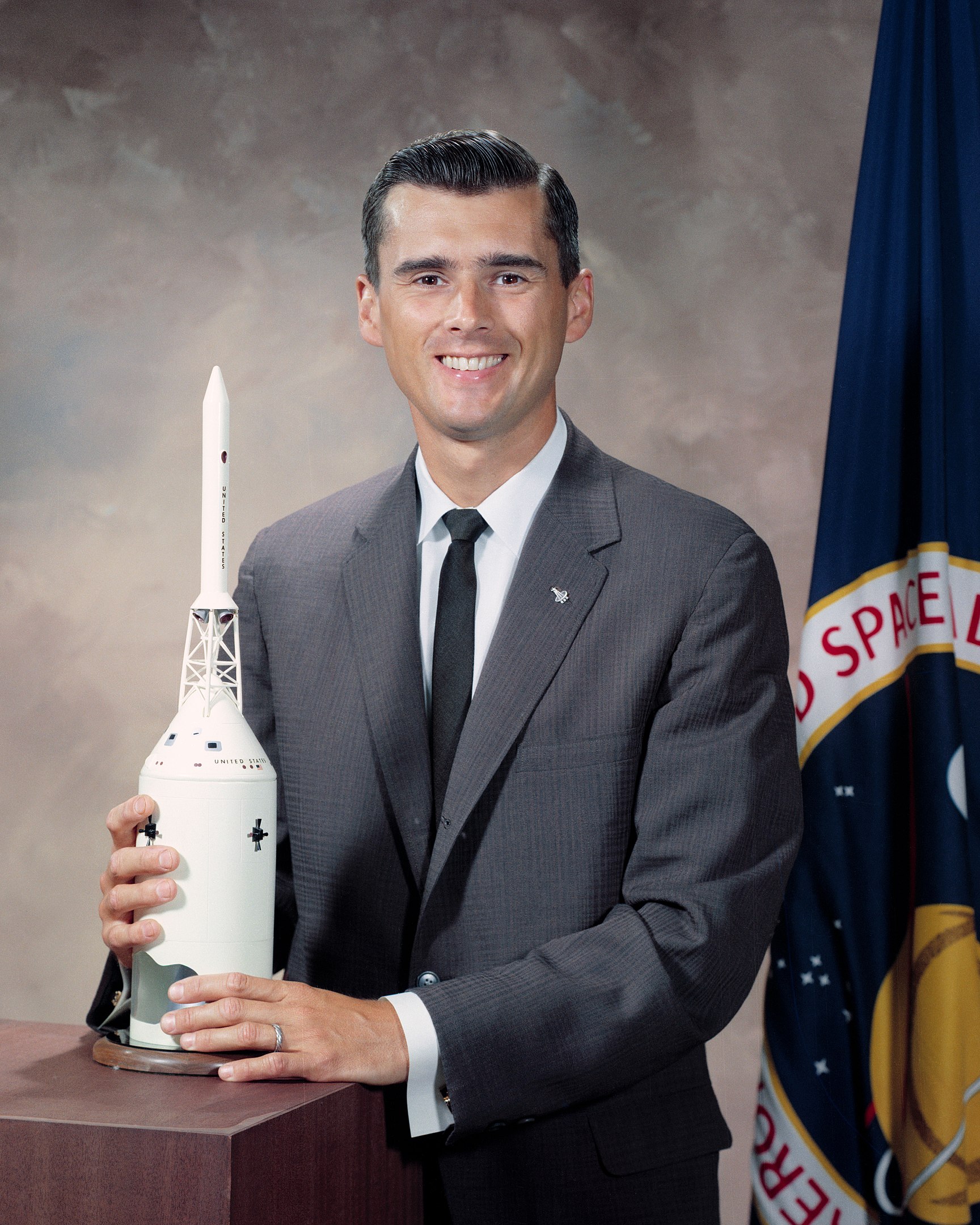
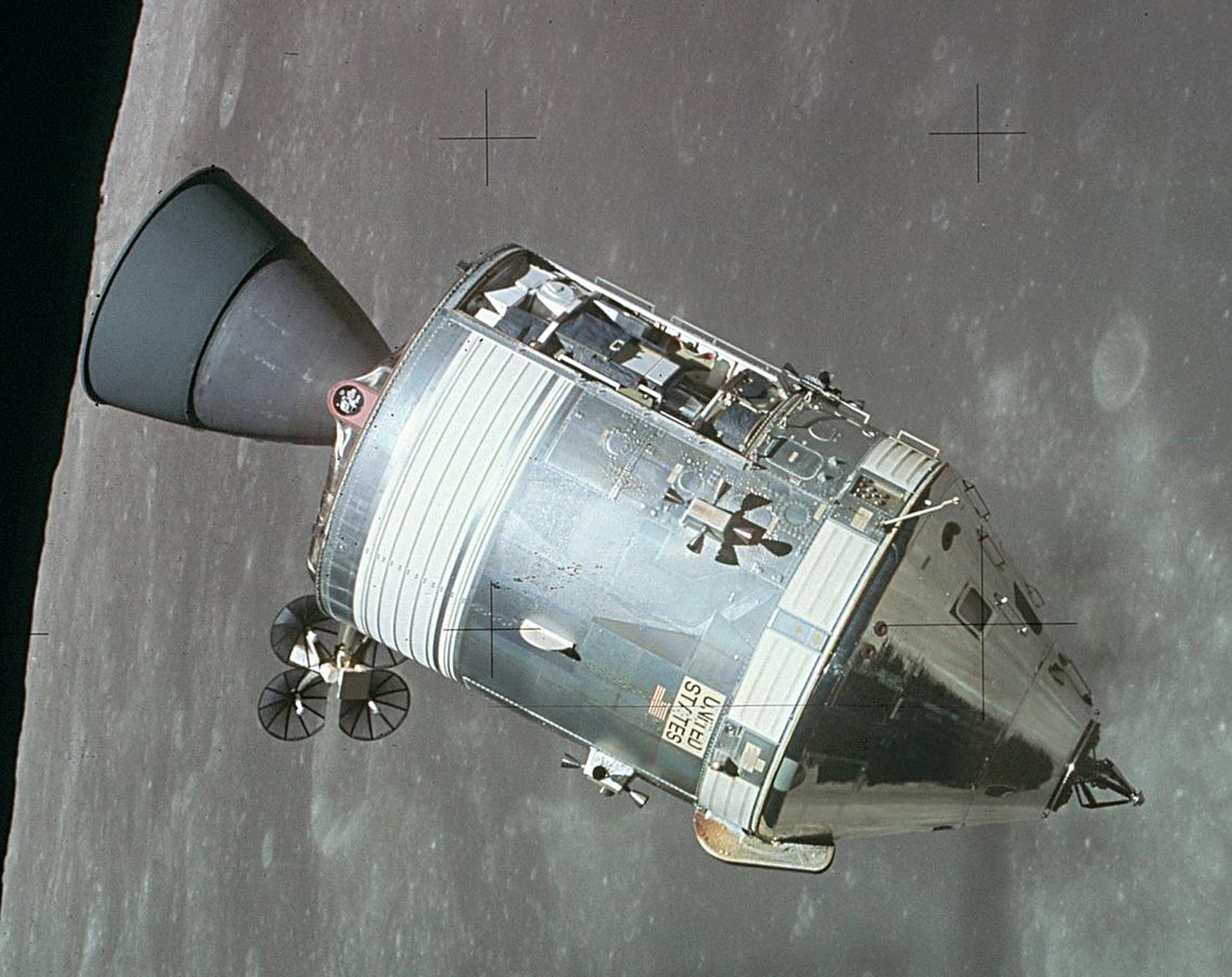
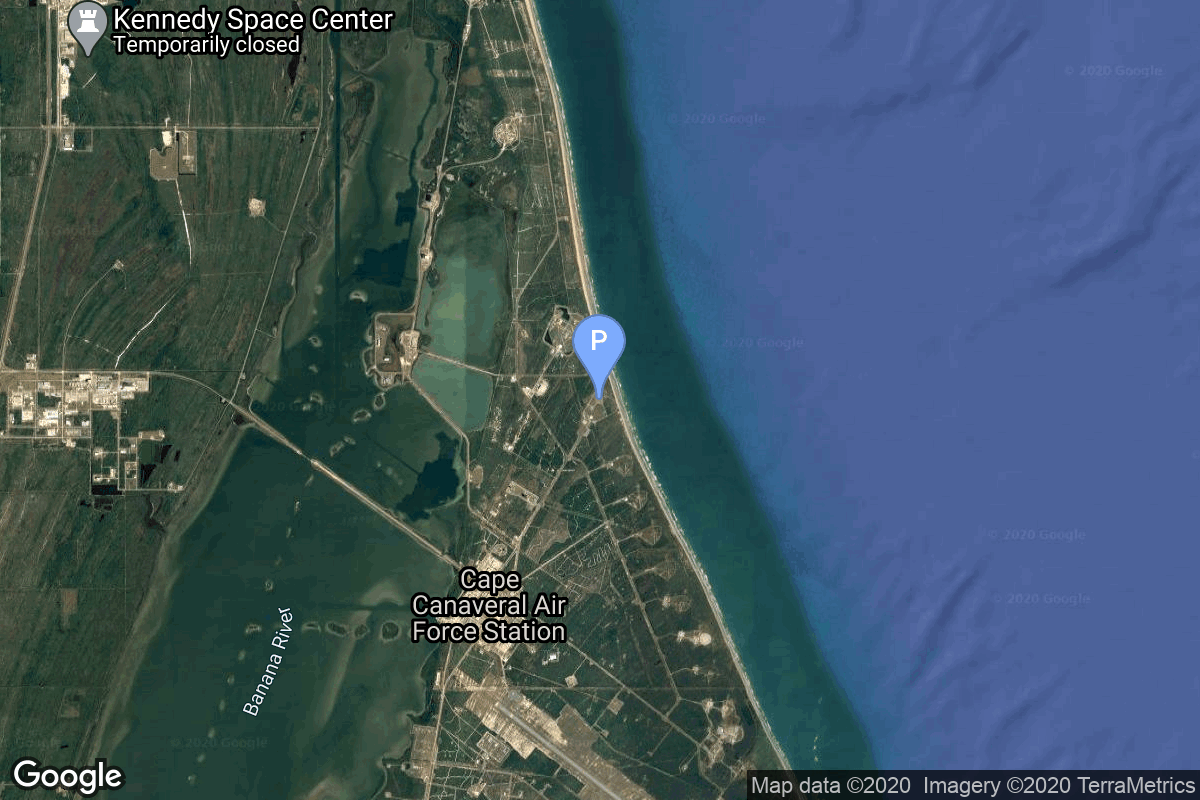
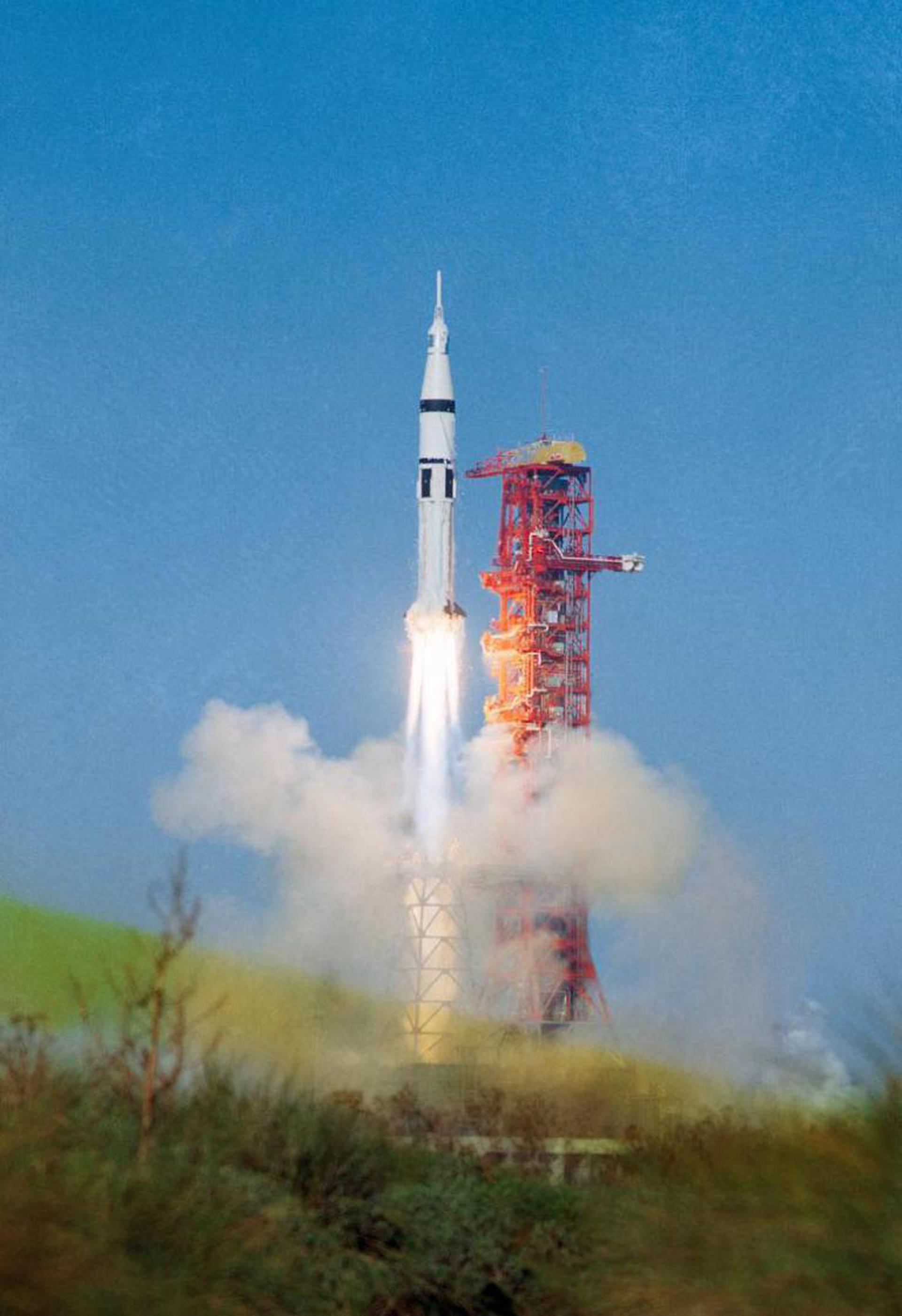
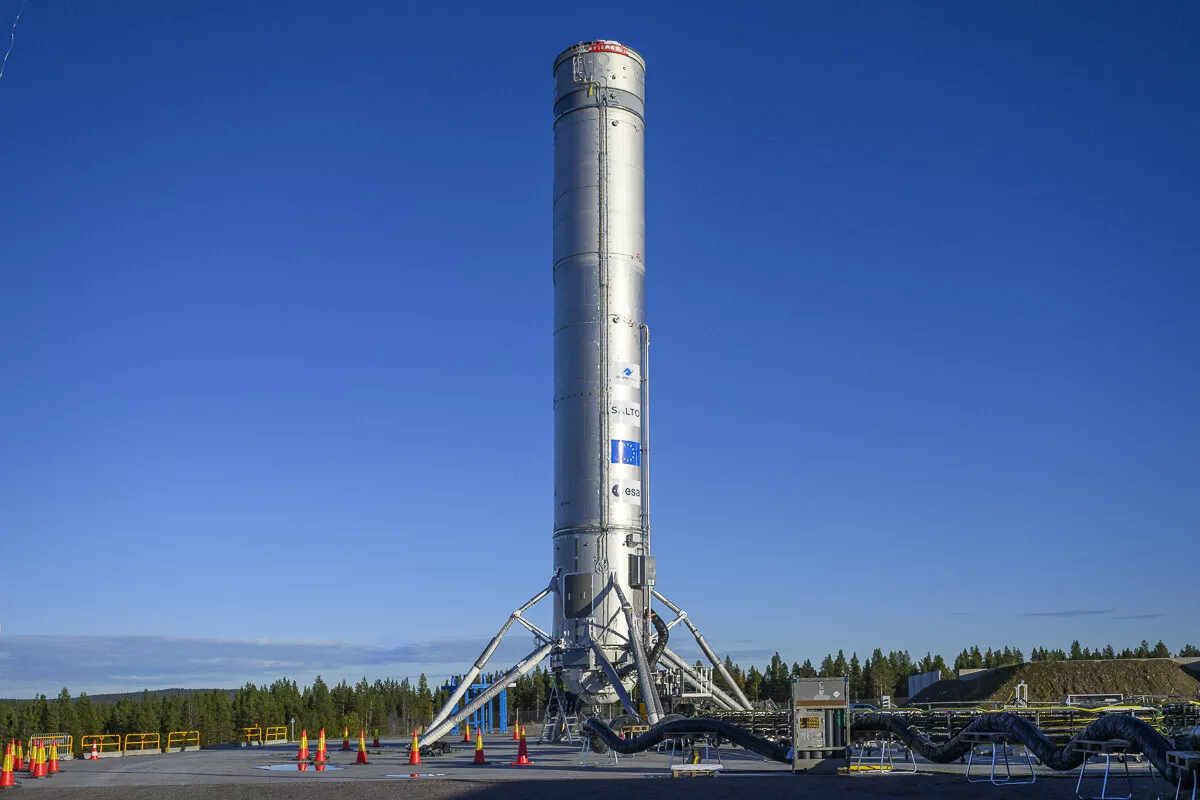
{ "count": 1722, "next": null, "previous": "https://ll.thespacedevs.com/2.2.0/landings/?format=api&limit=10&offset=1710&ordering=-downrange_distance", "results": [ { "id": 373, "url": "https://ll.thespacedevs.com/2.2.0/landings/373/?format=api", "attempt": false, "success": null, "description": "The Apollo 1 spacecraft was destroyed in a cabin on the ground fire during a launch dress rehearsal.", "downrange_distance": 0.0, "landing_type": null, "landing_location": { "id": 50, "name": "Launch Complex 34", "abbrev": "LC-34", "description": "", "location": { "id": 12, "url": "https://ll.thespacedevs.com/2.2.0/location/12/?format=api", "name": "Cape Canaveral SFS, FL, USA", "country_code": "USA", "description": "Cape Canaveral Space Force Station (CCSFS) is an installation of the United States Space Force's Space Launch Delta 45, located on Cape Canaveral in Brevard County, Florida.", "map_image": "https://thespacedevs-prod.nyc3.digitaloceanspaces.com/media/map_images/location_12_20200803142519.jpg", "timezone_name": "America/New_York", "total_launch_count": 1114, "total_landing_count": 75 }, "successful_landings": 0 }, "firststage": null, "spacecraftflight": { "id": 598, "url": "https://ll.thespacedevs.com/2.2.0/spacecraft/flight/598/?format=api", "mission_end": "1967-01-27T23:31:19Z", "destination": "Low Earth Orbit", "launch_crew": [ { "id": 3239, "role": { "id": 27, "role": "Senior Pilot", "priority": 1 }, "astronaut": { "id": 35, "url": "https://ll.thespacedevs.com/2.2.0/astronaut/35/?format=api", "name": "Ed White", "type": { "id": 2, "name": "Government" }, "in_space": false, "time_in_space": "P3DT23H59M", "status": { "id": 5, "name": "Lost In Training" }, "agency": { "id": 44, "url": "https://ll.thespacedevs.com/2.2.0/agencies/44/?format=api", "name": "National Aeronautics and Space Administration", "type": "Government" }, "date_of_birth": "1930-11-14", "date_of_death": "1967-01-27", "nationality": "American", "twitter": null, "instagram": null, "bio": "Edward Higgins White II was an American aeronautical engineer, U.S. Air Force officer, test pilot, and NASA astronaut. On June 3, 1965, he became the first American to walk in space. White died along with astronauts Virgil \"Gus\" Grissom and Roger B. Chaffee during prelaunch testing for the first manned Apollo mission at Cape Canaveral. He was awarded the NASA Distinguished Service Medal for his flight in Gemini 4 and was then awarded the Congressional Space Medal of Honor posthumously.", "profile_image": "https://thespacedevs-prod.nyc3.digitaloceanspaces.com/media/images/ed2520white_image_20181128143747.jpeg", "wiki": "https://en.wikipedia.org/wiki/Ed_White_(astronaut)", "last_flight": "1967-01-27T23:31:19Z", "first_flight": "1965-06-03T15:16:00Z" } }, { "id": 3238, "role": { "id": 4, "role": "Command Pilot", "priority": 1 }, "astronaut": { "id": 26, "url": "https://ll.thespacedevs.com/2.2.0/astronaut/26/?format=api", "name": "Gus Grissom", "type": { "id": 2, "name": "Government" }, "in_space": false, "time_in_space": "PT16M", "status": { "id": 5, "name": "Lost In Training" }, "agency": { "id": 44, "url": "https://ll.thespacedevs.com/2.2.0/agencies/44/?format=api", "name": "National Aeronautics and Space Administration", "type": "Government" }, "date_of_birth": "1926-04-03", "date_of_death": "1967-01-27", "nationality": "American", "twitter": null, "instagram": null, "bio": "Lieutenant Colonel Virgil Ivan \"Gus\" Grissom was one of the seven original National Aeronautics and Space Administration's Project Mercury astronauts, and the first of the Mercury Seven to die. He was also a Project Gemini and an Apollo program astronaut. Grissom was the second American to fly in space, and the first member of the NASA Astronaut Corps to fly in space twice. In addition, Grissom was a World War II and Korean War veteran, U.S. Air Force test pilot, and a mechanical engineer. He was a recipient of the Distinguished Flying Cross, and the Air Medal with an oak leaf cluster, a two-time recipient of the NASA Distinguished Service Medal, and, posthumously, the Congressional Space Medal of Honor.", "profile_image": "https://thespacedevs-prod.nyc3.digitaloceanspaces.com/media/images/gus2520grissom_image_20181128142030.jpg", "wiki": "https://en.wikipedia.org/wiki/Gus_Grissom", "last_flight": "1967-01-27T23:31:19Z", "first_flight": "1961-07-21T12:20:00Z" } }, { "id": 3240, "role": { "id": 2, "role": "Pilot", "priority": 2 }, "astronaut": { "id": 664, "url": "https://ll.thespacedevs.com/2.2.0/astronaut/664/?format=api", "name": "Roger B. Chaffee", "type": { "id": 2, "name": "Government" }, "in_space": false, "time_in_space": "P0D", "status": { "id": 5, "name": "Lost In Training" }, "agency": { "id": 44, "url": "https://ll.thespacedevs.com/2.2.0/agencies/44/?format=api", "name": "National Aeronautics and Space Administration", "type": "Government" }, "date_of_birth": "1935-02-15", "date_of_death": "1967-01-27", "nationality": "American", "twitter": null, "instagram": null, "bio": "Roger Bruce Chaffee was an American naval officer, aviator, and aeronautical engineer who was a NASA astronaut in the Apollo program. Along with thirteen other pilots, Chaffee was selected to be an astronaut as part of NASA Astronaut Group 3 in 1963. He served as capsule communicator (CAPCOM) for the Gemini 3 and Gemini 4 missions and received his first spaceflight assignment in 1966 as the third-ranking pilot on Apollo 1. In 1967, he died in a fire along with fellow astronauts Virgil \"Gus\" Grissom and Ed White during a pre-launch test for the mission at what was then the Cape Kennedy Air Force Station Launch Complex 34, Florida. He was posthumously awarded the Congressional Space Medal of Honor and a second Air Medal.", "profile_image": "https://thespacedevs-prod.nyc3.digitaloceanspaces.com/media/images/roger_b._chaffe_image_20210509184925.jpg", "wiki": "https://en.wikipedia.org/wiki/Roger_B._Chaffee", "last_flight": "1967-01-27T23:31:19Z", "first_flight": "1967-01-27T23:31:19Z" } } ], "onboard_crew": [], "landing_crew": [ { "id": 3242, "role": { "id": 27, "role": "Senior Pilot", "priority": 1 }, "astronaut": { "id": 35, "url": "https://ll.thespacedevs.com/2.2.0/astronaut/35/?format=api", "name": "Ed White", "type": { "id": 2, "name": "Government" }, "in_space": false, "time_in_space": "P3DT23H59M", "status": { "id": 5, "name": "Lost In Training" }, "agency": { "id": 44, "url": "https://ll.thespacedevs.com/2.2.0/agencies/44/?format=api", "name": "National Aeronautics and Space Administration", "type": "Government" }, "date_of_birth": "1930-11-14", "date_of_death": "1967-01-27", "nationality": "American", "twitter": null, "instagram": null, "bio": "Edward Higgins White II was an American aeronautical engineer, U.S. Air Force officer, test pilot, and NASA astronaut. On June 3, 1965, he became the first American to walk in space. White died along with astronauts Virgil \"Gus\" Grissom and Roger B. Chaffee during prelaunch testing for the first manned Apollo mission at Cape Canaveral. He was awarded the NASA Distinguished Service Medal for his flight in Gemini 4 and was then awarded the Congressional Space Medal of Honor posthumously.", "profile_image": "https://thespacedevs-prod.nyc3.digitaloceanspaces.com/media/images/ed2520white_image_20181128143747.jpeg", "wiki": "https://en.wikipedia.org/wiki/Ed_White_(astronaut)", "last_flight": "1967-01-27T23:31:19Z", "first_flight": "1965-06-03T15:16:00Z" } }, { "id": 3241, "role": { "id": 4, "role": "Command Pilot", "priority": 1 }, "astronaut": { "id": 26, "url": "https://ll.thespacedevs.com/2.2.0/astronaut/26/?format=api", "name": "Gus Grissom", "type": { "id": 2, "name": "Government" }, "in_space": false, "time_in_space": "PT16M", "status": { "id": 5, "name": "Lost In Training" }, "agency": { "id": 44, "url": "https://ll.thespacedevs.com/2.2.0/agencies/44/?format=api", "name": "National Aeronautics and Space Administration", "type": "Government" }, "date_of_birth": "1926-04-03", "date_of_death": "1967-01-27", "nationality": "American", "twitter": null, "instagram": null, "bio": "Lieutenant Colonel Virgil Ivan \"Gus\" Grissom was one of the seven original National Aeronautics and Space Administration's Project Mercury astronauts, and the first of the Mercury Seven to die. He was also a Project Gemini and an Apollo program astronaut. Grissom was the second American to fly in space, and the first member of the NASA Astronaut Corps to fly in space twice. In addition, Grissom was a World War II and Korean War veteran, U.S. Air Force test pilot, and a mechanical engineer. He was a recipient of the Distinguished Flying Cross, and the Air Medal with an oak leaf cluster, a two-time recipient of the NASA Distinguished Service Medal, and, posthumously, the Congressional Space Medal of Honor.", "profile_image": "https://thespacedevs-prod.nyc3.digitaloceanspaces.com/media/images/gus2520grissom_image_20181128142030.jpg", "wiki": "https://en.wikipedia.org/wiki/Gus_Grissom", "last_flight": "1967-01-27T23:31:19Z", "first_flight": "1961-07-21T12:20:00Z" } }, { "id": 3243, "role": { "id": 2, "role": "Pilot", "priority": 2 }, "astronaut": { "id": 664, "url": "https://ll.thespacedevs.com/2.2.0/astronaut/664/?format=api", "name": "Roger B. Chaffee", "type": { "id": 2, "name": "Government" }, "in_space": false, "time_in_space": "P0D", "status": { "id": 5, "name": "Lost In Training" }, "agency": { "id": 44, "url": "https://ll.thespacedevs.com/2.2.0/agencies/44/?format=api", "name": "National Aeronautics and Space Administration", "type": "Government" }, "date_of_birth": "1935-02-15", "date_of_death": "1967-01-27", "nationality": "American", "twitter": null, "instagram": null, "bio": "Roger Bruce Chaffee was an American naval officer, aviator, and aeronautical engineer who was a NASA astronaut in the Apollo program. Along with thirteen other pilots, Chaffee was selected to be an astronaut as part of NASA Astronaut Group 3 in 1963. He served as capsule communicator (CAPCOM) for the Gemini 3 and Gemini 4 missions and received his first spaceflight assignment in 1966 as the third-ranking pilot on Apollo 1. In 1967, he died in a fire along with fellow astronauts Virgil \"Gus\" Grissom and Ed White during a pre-launch test for the mission at what was then the Cape Kennedy Air Force Station Launch Complex 34, Florida. He was posthumously awarded the Congressional Space Medal of Honor and a second Air Medal.", "profile_image": "https://thespacedevs-prod.nyc3.digitaloceanspaces.com/media/images/roger_b._chaffe_image_20210509184925.jpg", "wiki": "https://en.wikipedia.org/wiki/Roger_B._Chaffee", "last_flight": "1967-01-27T23:31:19Z", "first_flight": "1967-01-27T23:31:19Z" } } ], "spacecraft": { "id": 460, "url": "https://ll.thespacedevs.com/2.2.0/spacecraft/460/?format=api", "name": "Apollo CSM-012", "serial_number": "CSM-012", "is_placeholder": false, "in_space": false, "time_in_space": "P0D", "time_docked": "P0D", "flights_count": 1, "mission_ends_count": 1, "status": { "id": 3, "name": "Destroyed" }, "description": "CSM-012 was an Apollo Command & Service Module that was planned to be used in the Apollo 1 mission. It was destroyed by a fatal cabin fire during a launch rehearsal on January 27, 1967.", "spacecraft_config": { "id": 10, "url": "https://ll.thespacedevs.com/2.2.0/config/spacecraft/10/?format=api", "name": "Apollo Command/Service Module", "type": { "id": 2, "name": "Capsule" }, "agency": { "id": 999, "url": "https://ll.thespacedevs.com/2.2.0/agencies/999/?format=api", "name": "North American Aviation", "type": "Commercial" }, "in_use": false, "image_url": "https://thespacedevs-prod.nyc3.digitaloceanspaces.com/media/images/apollo2520command2fservice2520module_image_20190207032507.jpeg" } }, "launch": { "id": "a49d791b-3c7f-4ee9-8917-14596a2a1a25", "url": "https://ll.thespacedevs.com/2.2.0/launch/a49d791b-3c7f-4ee9-8917-14596a2a1a25/?format=api", "slug": "saturn-ib-apollo-1-failure-before-launch", "name": "Saturn IB | Apollo 1 (Failure before launch)", "status": { "id": 4, "name": "Launch Failure", "abbrev": "Failure", "description": "Either the launch vehicle did not reach orbit, or the payload(s) failed to separate." }, "last_updated": "2023-06-14T17:42:44Z", "net": "1967-01-27T23:31:19Z", "window_end": "1967-01-27T23:31:19Z", "window_start": "1967-01-27T23:31:19Z", "net_precision": { "id": 0, "name": "Second", "abbrev": "SEC", "description": "The T-0 is accurate to the second." }, "probability": null, "weather_concerns": null, "holdreason": "", "failreason": "Crew and spacecraft lost due to a cabin fire that occurred during a launch rehearsal at Cape Kennedy Air Force Station Launch Complex 34 on January 27, 1967.", "hashtag": null, "launch_service_provider": { "id": 44, "url": "https://ll.thespacedevs.com/2.2.0/agencies/44/?format=api", "name": "National Aeronautics and Space Administration", "type": "Government" }, "rocket": { "id": 2880, "configuration": { "id": 163, "url": "https://ll.thespacedevs.com/2.2.0/config/launcher/163/?format=api", "name": "Saturn IB", "family": "Saturn", "full_name": "Saturn IB", "variant": "IB" } }, "mission": { "id": 1296, "name": "Apollo 1", "description": "Apollo 1, initially designated AS-204, was the first crewed mission of the United States Apollo program, the undertaking to land the first man on the Moon. It was planned to launch on February 21, 1967, as the first low Earth orbital test of the Apollo command and service module. The mission never flew; a cabin fire during a launch rehearsal test at Cape Kennedy Air Force Station Launch Complex 34 on January 27 killed all three crew members—Command Pilot Gus Grissom, Senior Pilot Ed White, and Pilot Roger B. Chaffee—and destroyed the command module (CM). The name Apollo 1, chosen by the crew, was made official by NASA in their honor after the fire.", "launch_designator": null, "type": "Human Exploration", "orbit": { "id": 8, "name": "Low Earth Orbit", "abbrev": "LEO" }, "agencies": [], "info_urls": [], "vid_urls": [] }, "pad": { "id": 19, "url": "https://ll.thespacedevs.com/2.2.0/pad/19/?format=api", "agency_id": null, "name": "Launch Complex 34", "description": null, "info_url": null, "wiki_url": "https://en.wikipedia.org/wiki/Cape_Canaveral_Air_Force_Station_Launch_Complex_34", "map_url": "https://www.google.com/maps?q=28.521811,-80.56113", "latitude": "28.521811", "longitude": "-80.56113", "location": { "id": 12, "url": "https://ll.thespacedevs.com/2.2.0/location/12/?format=api", "name": "Cape Canaveral SFS, FL, USA", "country_code": "USA", "description": "Cape Canaveral Space Force Station (CCSFS) is an installation of the United States Space Force's Space Launch Delta 45, located on Cape Canaveral in Brevard County, Florida.", "map_image": "https://thespacedevs-prod.nyc3.digitaloceanspaces.com/media/map_images/location_12_20200803142519.jpg", "timezone_name": "America/New_York", "total_launch_count": 1114, "total_landing_count": 75 }, "country_code": "USA", "map_image": "https://thespacedevs-prod.nyc3.digitaloceanspaces.com/media/map_images/pad_19_20200803143428.jpg", "total_launch_count": 9, "orbital_launch_attempt_count": 3 }, "webcast_live": false, "image": "https://thespacedevs-prod.nyc3.digitaloceanspaces.com/media/images/saturn2520ib_image_20190222030046.jpeg", "infographic": null, "program": [ { "id": 4, "url": "https://ll.thespacedevs.com/2.2.0/program/4/?format=api", "name": "Apollo", "description": "The Apollo program was the third United States human spaceflight program carried out by the National Aeronautics and Space Administration (NASA), which succeeded in landing the first humans on the Moon from 1969 to 1972.", "agencies": [ { "id": 44, "url": "https://ll.thespacedevs.com/2.2.0/agencies/44/?format=api", "name": "National Aeronautics and Space Administration", "type": "Government" } ], "image_url": "https://thespacedevs-prod.nyc3.digitaloceanspaces.com/media/images/apollo_program_20200820200202.png", "start_date": "1966-11-16T00:00:00Z", "end_date": "1972-12-19T19:24:59Z", "info_url": "https://www.nasa.gov/mission_pages/apollo/index.html", "wiki_url": "https://en.wikipedia.org/wiki/Apollo_program", "mission_patches": [], "type": { "id": 2, "name": "Human Spaceflight" } } ], "orbital_launch_attempt_count": 655, "location_launch_attempt_count": 195, "pad_launch_attempt_count": 7, "agency_launch_attempt_count": 87, "orbital_launch_attempt_count_year": 7, "location_launch_attempt_count_year": 3, "pad_launch_attempt_count_year": 1, "agency_launch_attempt_count_year": 1, "type": "normal" } } }, { "id": 1702, "url": "https://ll.thespacedevs.com/2.2.0/landings/1702/?format=api", "attempt": true, "success": null, "description": "The Themis T1H demonstrator will attempt a soft vertical landing back at its launch site.", "downrange_distance": 0.0, "landing_type": { "id": 2, "name": "Return to Launch Site", "abbrev": "RTLS", "description": "A return to launch site usually means that after stage separation the booster flips and does a burn back towards the launch site, landing near where it initially launched from." }, "landing_location": { "id": 58, "name": "Launch Complex 3 Landing Pad", "abbrev": "LC3LP", "description": "40x40m landing pad at Esrange's Launch Complex 3.", "location": { "id": 178, "url": "https://ll.thespacedevs.com/2.2.0/location/178/?format=api", "name": "Esrange Space Center", "country_code": "SWE", "description": "Esrange Space Center is a rocket range and research centre located about 40 kilometers east of the town of Kiruna in northern Sweden. It is a base for scientific research with high-altitude balloons, investigation of the aurora borealis, sounding rocket launches, and satellite tracking. Built in 1964 by ESRO, one of the predecessors of the European Space Agency, the site is currently operated by the Swedish Space Corporation. An orbital launch complex, LC-3, has been built in the early 2020s.", "map_image": "https://thespacedevs-prod.nyc3.digitaloceanspaces.com/media/map_images/location_esrange_space_center_20241208021356.jpg", "timezone_name": "Europe/Stockholm", "total_launch_count": 0, "total_landing_count": 0 }, "successful_landings": 0 }, "firststage": { "id": 808, "type": "Core", "reused": false, "launcher_flight_number": 1, "launcher": { "id": 235, "url": "https://ll.thespacedevs.com/2.2.0/launcher/235/?format=api", "details": "T1H, which stands for Themis 1-Engine Hop, is the first Themis demonstrator flight model, designed for low-altitude hop tests at the Esrange Space Center in Sweden.", "flight_proven": false, "serial_number": "T1H", "status": "active", "image_url": "https://thespacedevs-prod.nyc3.digitaloceanspaces.com/media/images/themis_t1h_on_t_image_20250919095336.jpg", "successful_landings": 0, "attempted_landings": 0, "flights": 0, "last_launch_date": null, "first_launch_date": null }, "previous_flight_date": null, "turn_around_time_days": null, "previous_flight": null }, "spacecraftflight": null } ] }