Launcher Config List
API endpoint that allows Launcher Configurations to be viewed.
GET: Return a list of all the existing launcher configurations.
MODE: Normal and Detailed /2.0.0/config/launcher/?mode=detailed
FILTERS: Fields - 'family', 'agency', 'name', 'manufacturer__name', 'full_name', 'manufacturer__launch_library_id'
Get all Launchers with the Launch Library ID of 44. Example - /2.0.0/config/launcher/?manufacturer__launch_library_id=44
Get all Launchers with the Agency with name NASA. Example - /2.0.0/config/launcher/?manufacturer__name=NASA
GET /2.0.0/config/launcher/?format=api&offset=490&ordering=launch_cost
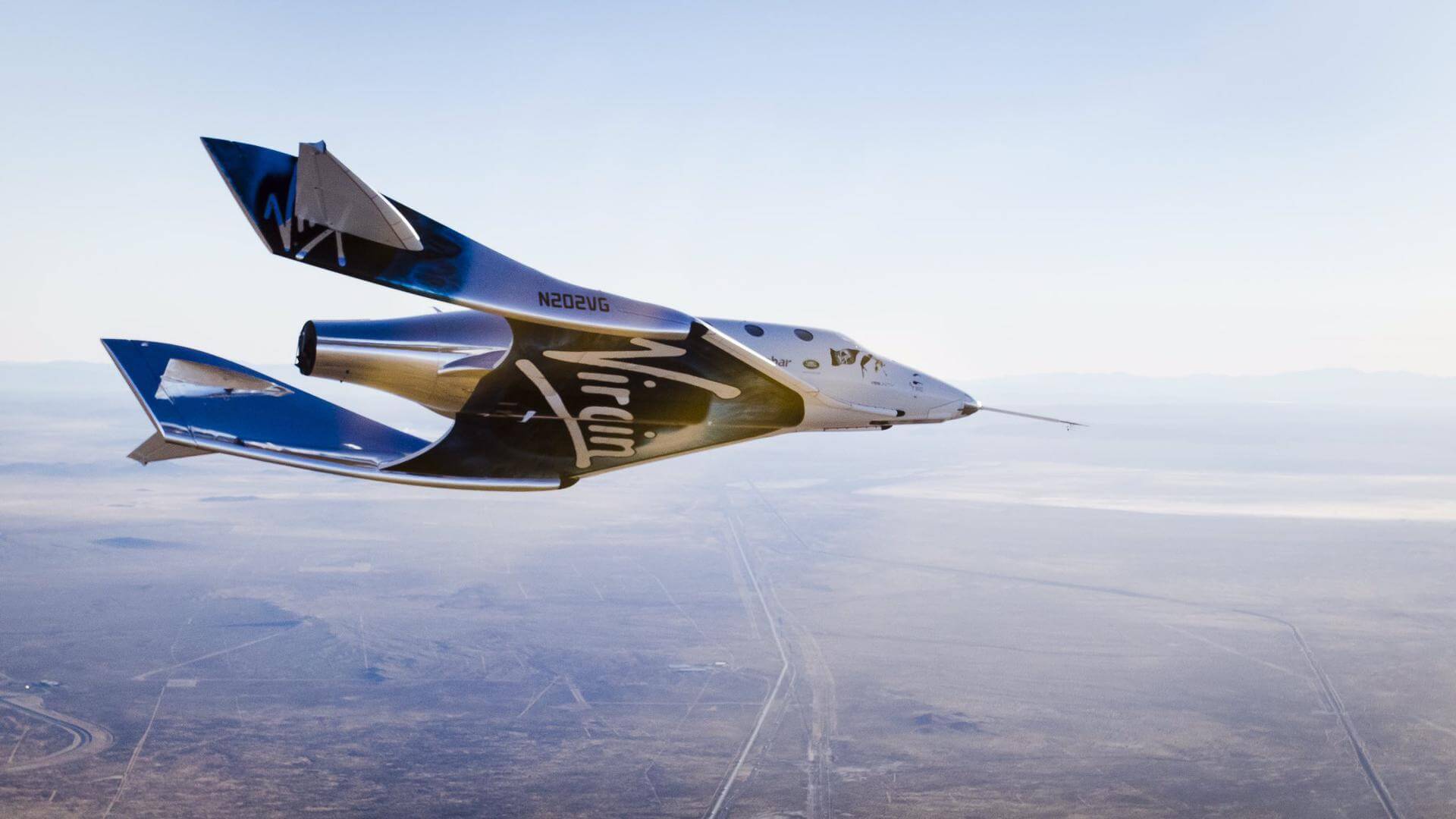
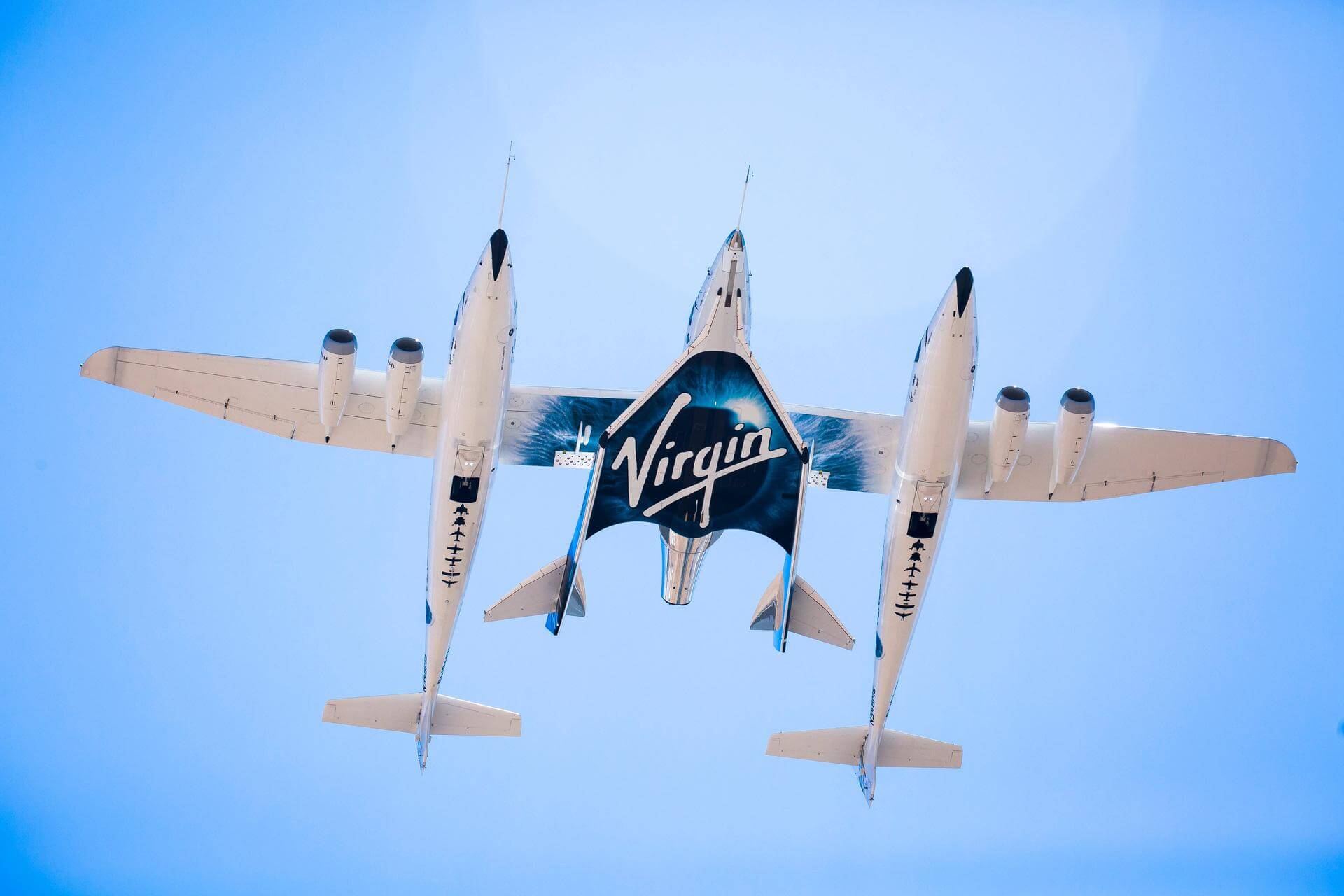
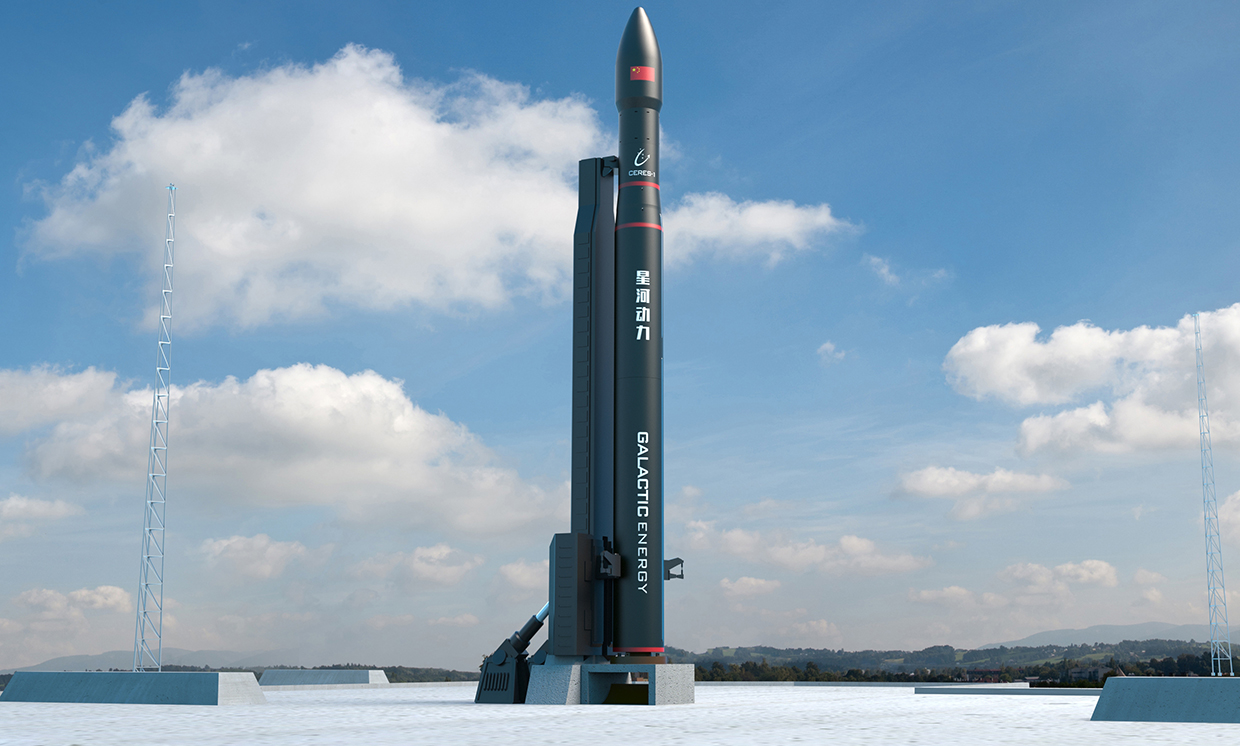
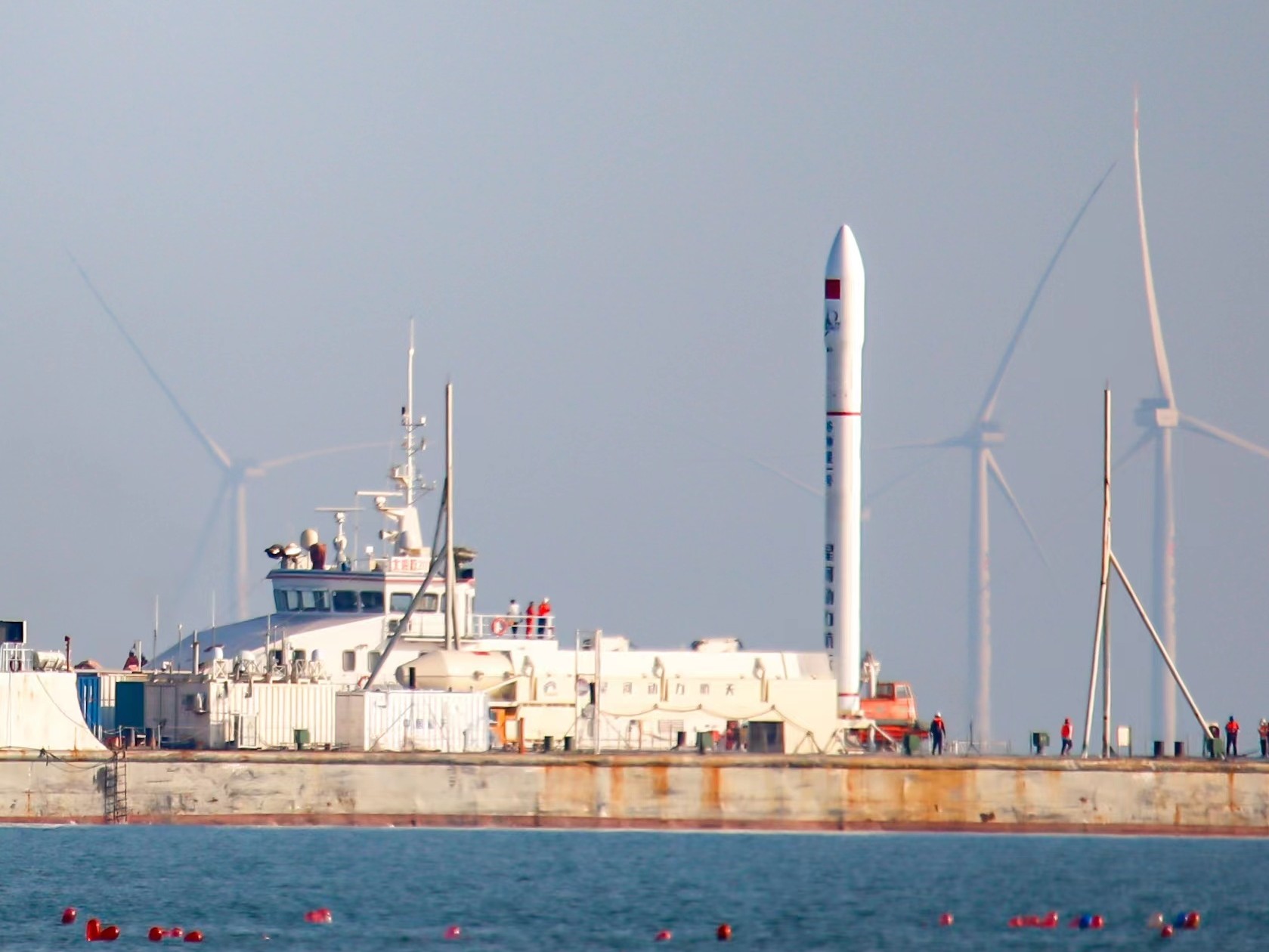
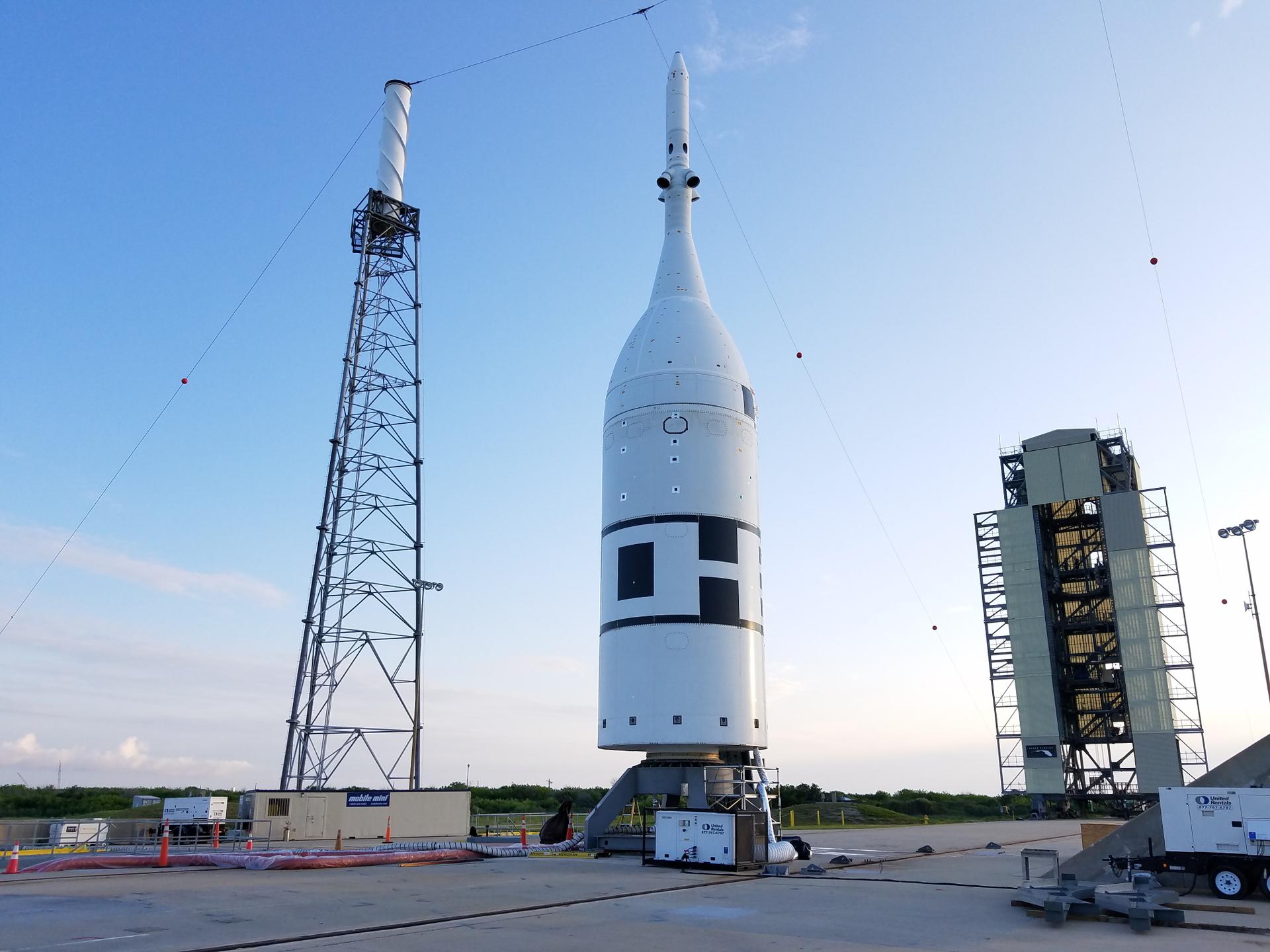
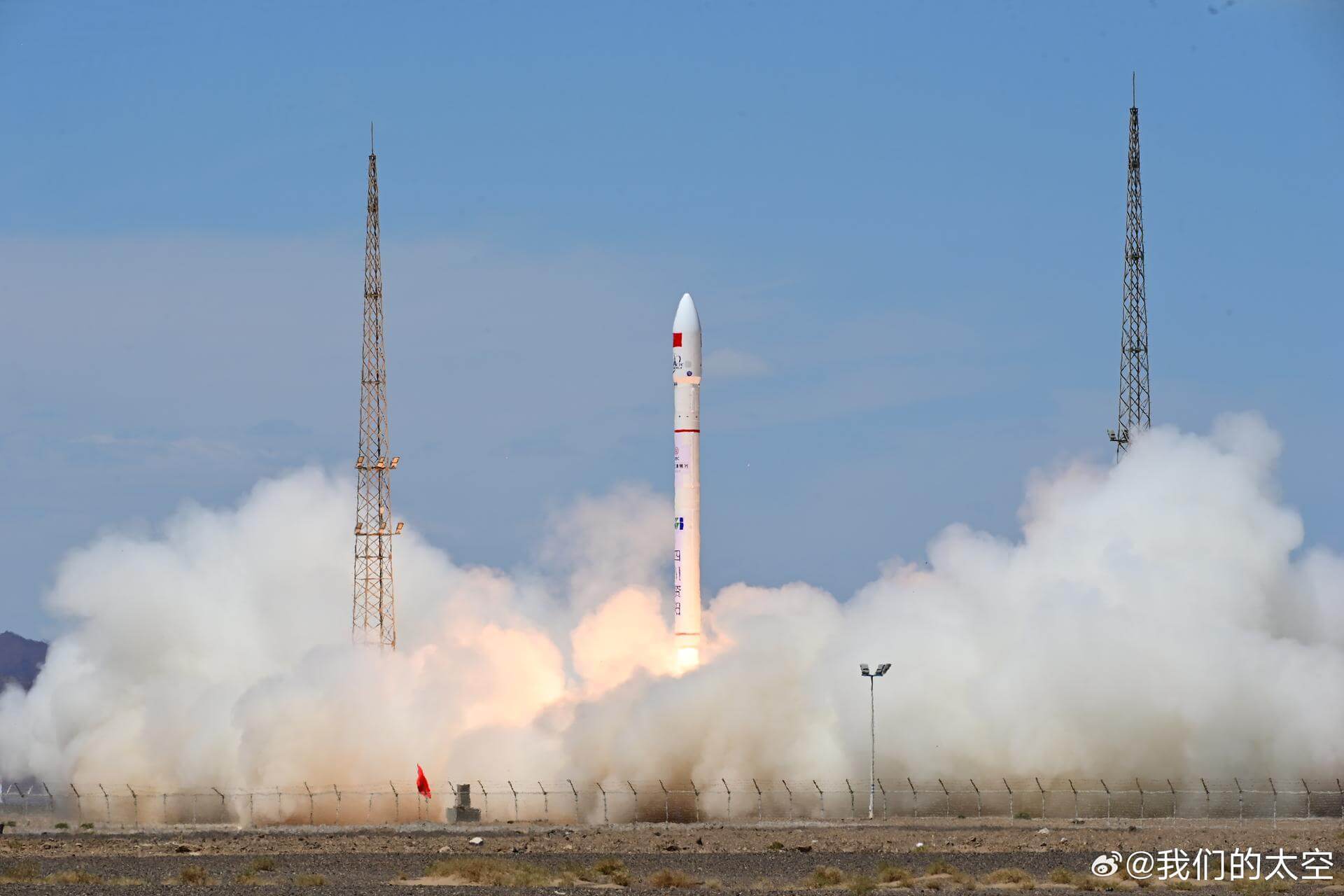
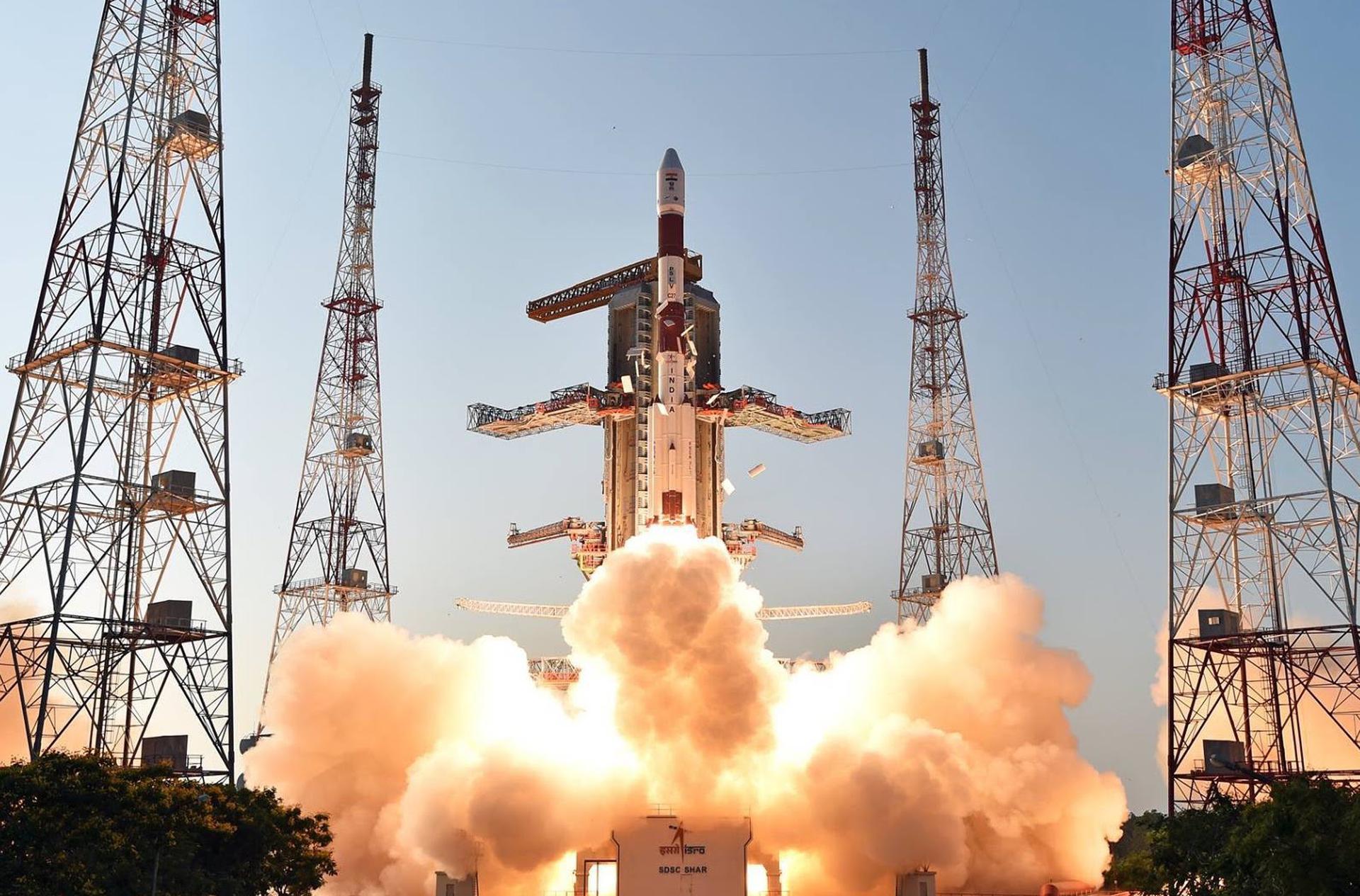
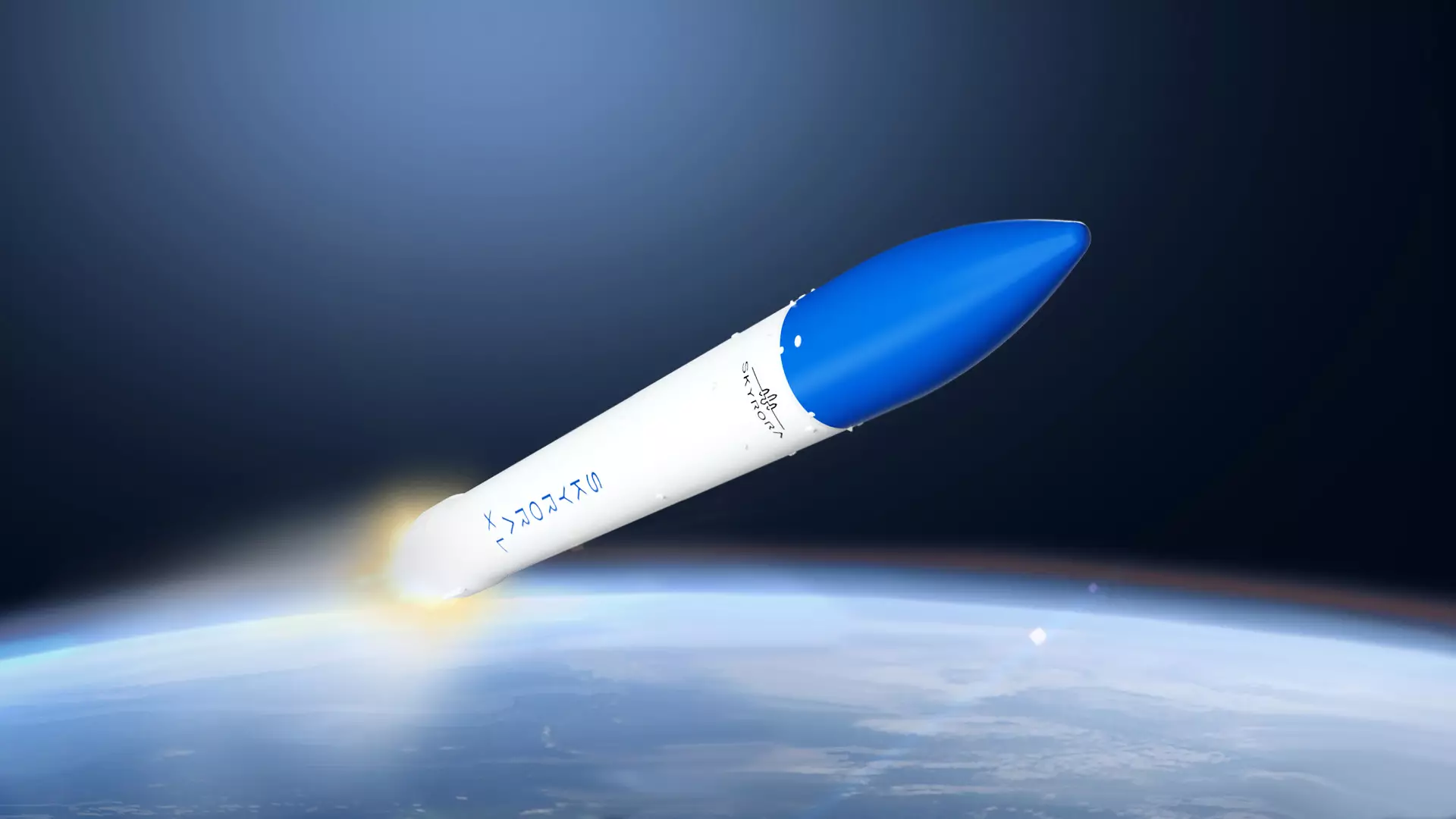
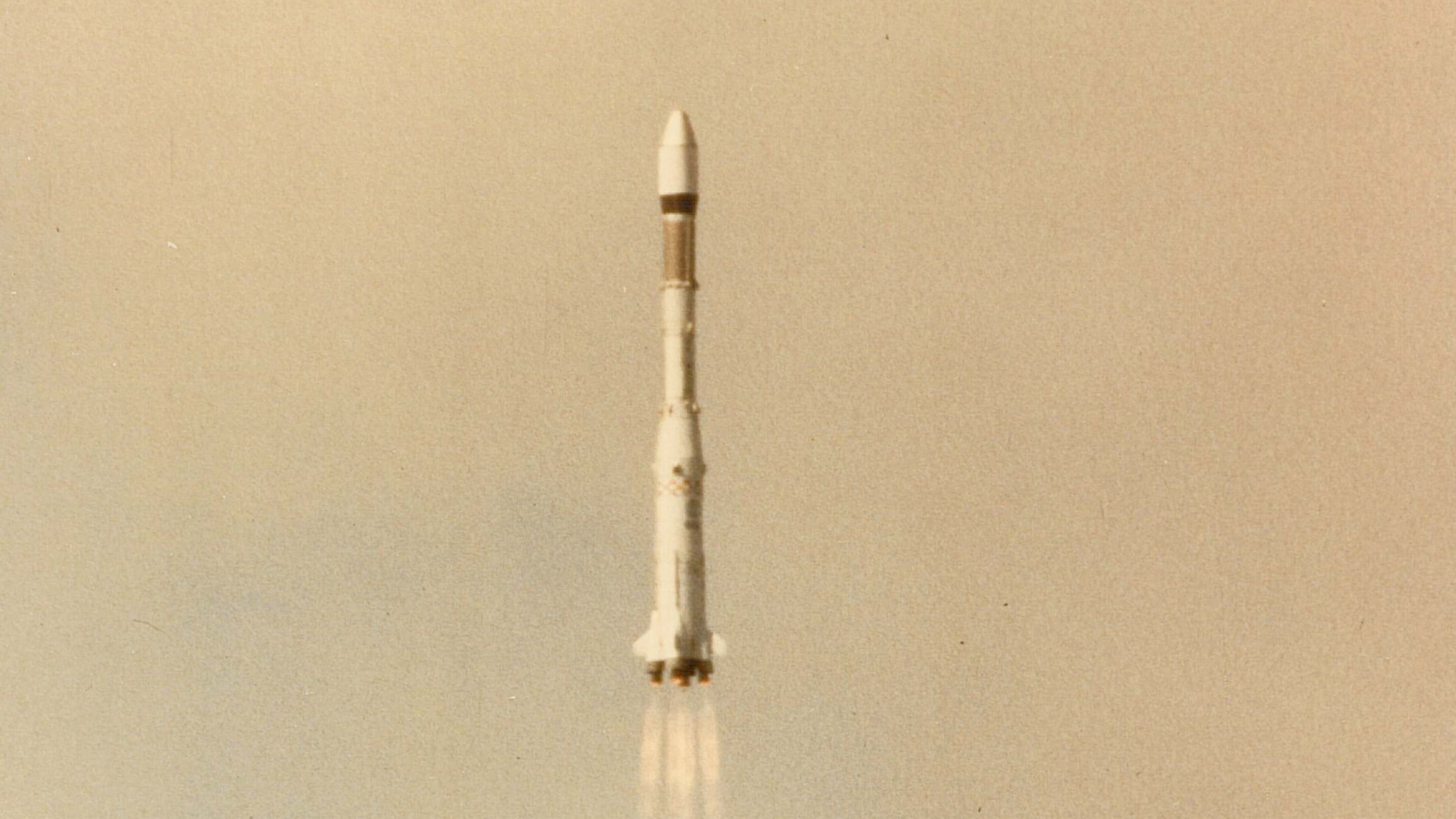
{ "count": 532, "next": "https://ll.thespacedevs.com/2.0.0/config/launcher/?format=api&limit=10&offset=500&ordering=launch_cost", "previous": "https://ll.thespacedevs.com/2.0.0/config/launcher/?format=api&limit=10&offset=480&ordering=launch_cost", "results": [ { "id": 465, "launch_library_id": null, "url": "https://ll.thespacedevs.com/2.0.0/config/launcher/465/?format=api", "name": "SpaceShipTwo", "manufacturer": { "id": 1024, "url": "https://ll.thespacedevs.com/2.0.0/agencies/1024/?format=api", "name": "Virgin Galactic", "featured": false, "type": "Private", "country_code": "USA", "abbrev": "VG", "description": "Virgin Galactic is an American spaceflight company within the Virgin Group. It is developing commercial spacecraft and aims to provide suborbital spaceflights to space tourists. Virgin Galactic's suborbital spacecraft are air launched from beneath a carrier airplane known as White Knight Two.", "administrator": "Founder: Richard Branson", "founding_year": "2004", "launchers": "VMS Eve", "spacecraft": "VSS Enterprise | VSS Unity", "parent": null, "image_url": "https://thespacedevs-prod.nyc3.digitaloceanspaces.com/media/images/virgin_galactic_image_20210522131723.jpeg" }, "program": [], "family": "", "full_name": "SpaceShipTwo", "variant": "", "reusable": true, "image_url": "https://thespacedevs-prod.nyc3.digitaloceanspaces.com/media/images/spaceshiptwo_image_20210522140909.jpeg", "info_url": null, "wiki_url": "https://en.wikipedia.org/wiki/SpaceShipTwo" }, { "id": 500, "launch_library_id": null, "url": "https://ll.thespacedevs.com/2.0.0/config/launcher/500/?format=api", "name": "Ceres-1S", "manufacturer": { "id": 1021, "url": "https://ll.thespacedevs.com/2.0.0/agencies/1021/?format=api", "name": "Galactic Energy", "featured": false, "type": "Commercial", "country_code": "CHN", "abbrev": "GE", "description": "Galactic Energy is a private aerospace company headquartered in Beijing, China. Established by senior engineers in 2018, Galactic Energy engages in low-cost commercial space launch business.", "administrator": null, "founding_year": "2018", "launchers": "Ceres-1 | Pallas-1", "spacecraft": "", "parent": null, "image_url": "https://thespacedevs-prod.nyc3.digitaloceanspaces.com/media/images/galactic_energy_image_20201106095228.jpeg" }, "program": [], "family": "Ceres-1", "full_name": "Ceres-1S", "variant": "Ceres-1S", "reusable": false, "image_url": "https://thespacedevs-prod.nyc3.digitaloceanspaces.com/media/images/ceres-1s_image_20230905114324.jpeg", "info_url": "http://www.galactic-energy.cn/index.php/En/List/cid/14", "wiki_url": null }, { "id": 207, "launch_library_id": null, "url": "https://ll.thespacedevs.com/2.0.0/config/launcher/207/?format=api", "name": "Starship Prototype", "manufacturer": { "id": 121, "url": "https://ll.thespacedevs.com/2.0.0/agencies/121/?format=api", "name": "SpaceX", "featured": true, "type": "Commercial", "country_code": "USA", "abbrev": "SpX", "description": "Space Exploration Technologies Corp., known as SpaceX, is an American aerospace manufacturer and space transport services company headquartered in Hawthorne, California. It was founded in 2002 by entrepreneur Elon Musk with the goal of reducing space transportation costs and enabling the colonization of Mars. SpaceX operates from many pads, on the East Coast of the US they operate from SLC-40 at Cape Canaveral Space Force Station and historic LC-39A at Kennedy Space Center. They also operate from SLC-4E at Vandenberg Space Force Base, California, usually for polar launches. Another launch site is being developed at Boca Chica, Texas.", "administrator": "CEO: Elon Musk", "founding_year": "2002", "launchers": "Falcon | Starship", "spacecraft": "Dragon", "parent": null, "image_url": "https://thespacedevs-prod.nyc3.digitaloceanspaces.com/media/images/falcon_9_image_20230807133459.jpeg" }, "program": [ { "id": 1, "url": "https://ll.thespacedevs.com/2.0.0/program/1/?format=api", "name": "SpaceX Starship", "description": "The SpaceX Starship is a fully reusable super heavy-lift launch vehicle under development by SpaceX since 2012, as a self-funded private spaceflight project. The second stage of the Starship — is designed as a long-duration cargo and passenger-carrying spacecraft. It is expected to be initially used without any booster stage at all, as part of an extensive development program to prove out launch-and-landing and iterate on a variety of design details, particularly with respect to the vehicle's atmospheric reentry.", "agencies": [ { "id": 121, "url": "https://ll.thespacedevs.com/2.0.0/agencies/121/?format=api", "name": "SpaceX", "type": "Commercial" } ], "image_url": "https://thespacedevs-prod.nyc3.digitaloceanspaces.com/media/images/starship_on_the_image_20250111100520.jpg", "start_date": "2019-03-01T05:00:00Z", "end_date": null, "info_url": "https://www.spacex.com/vehicles/starship/", "wiki_url": "https://en.wikipedia.org/wiki/SpaceX_Starship" } ], "family": "Starship", "full_name": "Starship Prototype", "variant": "Prototype", "reusable": true, "image_url": "https://thespacedevs-prod.nyc3.digitaloceanspaces.com/media/images/starship2520sn_image_20210413205503.jpeg", "info_url": "https://www.spacex.com/vehicles/starship/", "wiki_url": "https://en.wikipedia.org/wiki/SpaceX_Starship" }, { "id": 435, "launch_library_id": null, "url": "https://ll.thespacedevs.com/2.0.0/config/launcher/435/?format=api", "name": "Titan 405B", "manufacturer": { "id": 82, "url": "https://ll.thespacedevs.com/2.0.0/agencies/82/?format=api", "name": "Lockheed Martin", "featured": false, "type": "Commercial", "country_code": "USA", "abbrev": "LMT", "description": "Lockheed Martin's Space Division started in the production of missiles and later ICBM's in the 1950s. Their TITAN missile system was used for 12 Gemini spacecraft and the Voyager probes. They have worked largely in collaboration with NASA on many of their probes, landers, and spacecraft, and hope to play a key role in NASA's return to the moon in 2024.", "administrator": null, "founding_year": "1953", "launchers": "Titan | Agena", "spacecraft": "Hubble | JUNO | InSight", "parent": null, "image_url": null }, "program": [], "family": "Titan", "full_name": "Titan 405B", "variant": "405B", "reusable": false, "image_url": null, "info_url": "", "wiki_url": "https://en.wikipedia.org/wiki/Titan_IV" }, { "id": 195, "launch_library_id": null, "url": "https://ll.thespacedevs.com/2.0.0/config/launcher/195/?format=api", "name": "Orion Abort Test Booster", "manufacturer": { "id": 44, "url": "https://ll.thespacedevs.com/2.0.0/agencies/44/?format=api", "name": "National Aeronautics and Space Administration", "featured": true, "type": "Government", "country_code": "USA", "abbrev": "NASA", "description": "The National Aeronautics and Space Administration is an independent agency of the executive branch of the United States federal government responsible for the civilian space program, as well as aeronautics and aerospace research. NASA have many launch facilities but most are inactive. The most commonly used pad will be LC-39B at Kennedy Space Center in Florida.", "administrator": "Administrator: Jared Isaacman", "founding_year": "1958", "launchers": "Space Shuttle | SLS", "spacecraft": "Orion", "parent": null, "image_url": "https://thespacedevs-prod.nyc3.digitaloceanspaces.com/media/images/national2520aeronautics2520and2520space2520administration_image_20190207032448.jpeg" }, "program": [ { "id": 15, "url": "https://ll.thespacedevs.com/2.0.0/program/15/?format=api", "name": "Artemis", "description": "The Artemis program is a US government-funded crewed spaceflight program that has the goal of landing \"the first woman and the next man\" on the Moon, specifically at the lunar south pole region.", "agencies": [ { "id": 44, "url": "https://ll.thespacedevs.com/2.0.0/agencies/44/?format=api", "name": "National Aeronautics and Space Administration", "type": "Government" } ], "image_url": "https://thespacedevs-prod.nyc3.digitaloceanspaces.com/media/images/artemis_program_20220827100930.png", "start_date": "2017-12-11T00:00:00Z", "end_date": null, "info_url": "https://www.nasa.gov/specials/artemis/", "wiki_url": "https://en.wikipedia.org/wiki/Artemis_program" } ], "family": "", "full_name": "Orion Abort Test Booster", "variant": "", "reusable": false, "image_url": "https://thespacedevs-prod.nyc3.digitaloceanspaces.com/media/images/orion2520abort2520test2520booster_image_20190701191116.jpeg", "info_url": "https://www.nasa.gov/sites/default/files/atoms/files/aa2_fact_sheet.pdf", "wiki_url": "https://en.wikipedia.org/wiki/Orion_Abort_Test_Booster" }, { "id": 361, "launch_library_id": null, "url": "https://ll.thespacedevs.com/2.0.0/config/launcher/361/?format=api", "name": "Scout E-1", "manufacturer": { "id": 1006, "url": "https://ll.thespacedevs.com/2.0.0/agencies/1006/?format=api", "name": "Vought", "featured": false, "type": "Commercial", "country_code": "USA", "abbrev": "", "description": "Vought was the name of several related American aerospace firms. These have included, in the past, Lewis and Vought Corporation, Chance Vought, Vought-Sikorsky, LTV Aerospace (part of Ling-Temco-Vought), Vought Aircraft Companies, and Vought Aircraft Industries. The first incarnation of Vought was established by Chance M. Vought and Birdseye Lewis in 1917. In 1928, it was acquired by United Aircraft and Transport Corporation, which a few years later became United Aircraft Corporation; this was the first of many reorganizations and buyouts. During the 1920s and 1930s, Vought Aircraft and Chance Vought specialized in carrier-based aircraft for the United States Navy, by far its biggest customer. Chance Vought produced thousands of planes during World War II, including the F4U Corsair. Vought became independent again in 1954, and was purchased by Ling-Temco-Vought in 1961. The company designed and produced a variety of planes and missiles throughout the Cold War. Vought was sold from LTV and owned in various degrees by the Carlyle Group and Northrop Grumman in the early 1990s. It was then fully bought by Carlyle, renamed Vought Aircraft Industries, with headquarters in Dallas, Texas. In June 2010, the Carlyle Group sold Vought to the Triumph Group.", "administrator": null, "founding_year": "1917", "launchers": "", "spacecraft": "", "parent": null, "image_url": null }, "program": [], "family": "Scout", "full_name": "Scout E-1", "variant": "E-1", "reusable": false, "image_url": null, "info_url": "", "wiki_url": "https://en.wikipedia.org/wiki/Scout_(rocket_family)" }, { "id": 461, "launch_library_id": null, "url": "https://ll.thespacedevs.com/2.0.0/config/launcher/461/?format=api", "name": "Ceres-1", "manufacturer": { "id": 1021, "url": "https://ll.thespacedevs.com/2.0.0/agencies/1021/?format=api", "name": "Galactic Energy", "featured": false, "type": "Commercial", "country_code": "CHN", "abbrev": "GE", "description": "Galactic Energy is a private aerospace company headquartered in Beijing, China. Established by senior engineers in 2018, Galactic Energy engages in low-cost commercial space launch business.", "administrator": null, "founding_year": "2018", "launchers": "Ceres-1 | Pallas-1", "spacecraft": "", "parent": null, "image_url": "https://thespacedevs-prod.nyc3.digitaloceanspaces.com/media/images/galactic_energy_image_20201106095228.jpeg" }, "program": [], "family": "Ceres-1", "full_name": "Ceres-1", "variant": "Ceres-1", "reusable": false, "image_url": "https://thespacedevs-prod.nyc3.digitaloceanspaces.com/media/images/ceres-1_image_20230722081939.jpeg", "info_url": "http://www.galactic-energy.cn/index.php/En/List/cid/14", "wiki_url": null }, { "id": 218, "launch_library_id": null, "url": "https://ll.thespacedevs.com/2.0.0/config/launcher/218/?format=api", "name": "ASLV", "manufacturer": { "id": 31, "url": "https://ll.thespacedevs.com/2.0.0/agencies/31/?format=api", "name": "Indian Space Research Organization", "featured": true, "type": "Government", "country_code": "IND", "abbrev": "ISRO", "description": "The Indian Space Research Organisation (ISRO) is the space agency of the Government of India headquartered in the city of Bangalore. Its vision is to \"harness space technology for national development while pursuing space science research and planetary exploration.\"", "administrator": "Chairman: V. Narayanan", "founding_year": "1969", "launchers": "PSLV | GSLV", "spacecraft": "Gaganyaan", "parent": null, "image_url": "https://thespacedevs-prod.nyc3.digitaloceanspaces.com/media/images/indian2520space2520research2520organization_image_20190215225409.jpeg" }, "program": [], "family": "ASLV", "full_name": "ASLV", "variant": "", "reusable": false, "image_url": "https://thespacedevs-prod.nyc3.digitaloceanspaces.com/media/images/aslv_image_20240210153603.png", "info_url": "https://www.isro.gov.in/ASLV.html", "wiki_url": "https://en.wikipedia.org/wiki/Augmented_Satellite_Launch_Vehicle" }, { "id": 485, "launch_library_id": null, "url": "https://ll.thespacedevs.com/2.0.0/config/launcher/485/?format=api", "name": "Skyrora XL", "manufacturer": { "id": 1042, "url": "https://ll.thespacedevs.com/2.0.0/agencies/1042/?format=api", "name": "Skyrora", "featured": false, "type": "Private", "country_code": "GBR", "abbrev": "SKR", "description": "Skyrora Ltd is a private space company based in the United Kingdom since 2017.", "administrator": "CEO: Volodymyr Lvykin", "founding_year": "2017", "launchers": "Skyrora", "spacecraft": "", "parent": null, "image_url": null }, "program": [], "family": "", "full_name": "Skyrora XL", "variant": "XL", "reusable": false, "image_url": "https://thespacedevs-prod.nyc3.digitaloceanspaces.com/media/images/skyrora_xl_image_20221119120357.png", "info_url": "https://www.skyrora.com/skyrora-xl/", "wiki_url": "https://en.wikipedia.org/wiki/Skyrora#Skyrora_XL" }, { "id": 219, "launch_library_id": null, "url": "https://ll.thespacedevs.com/2.0.0/config/launcher/219/?format=api", "name": "Ariane 1", "manufacturer": { "id": 1003, "url": "https://ll.thespacedevs.com/2.0.0/agencies/1003/?format=api", "name": "Aérospatiale", "featured": false, "type": "Government", "country_code": "FRA", "abbrev": "", "description": "Aérospatiale was a French state-owned aerospace manufacturer that built both civilian and military aircraft, rockets and satellites. It was originally known as Société nationale industrielle aérospatiale (SNIAS). Its head office was in the 16th arrondissement of Paris. The name was changed to Aérospatiale during 1970.", "administrator": null, "founding_year": "1970", "launchers": "", "spacecraft": "", "parent": null, "image_url": null }, "program": [], "family": "Ariane", "full_name": "Ariane 1", "variant": "1", "reusable": false, "image_url": "https://thespacedevs-prod.nyc3.digitaloceanspaces.com/media/images/ariane_1_in_fli_image_20240314094301.jpg", "info_url": null, "wiki_url": "https://en.wikipedia.org/wiki/Ariane_1" } ] }